• Stunning Home Interior Framed Pictures: Elevate Your Living Space

    Stunning Home Interior Framed Pictures: Elevate Your Living Space By Tracy LawtonPosted on November 10, 2024

    Stunning Home Interior Framed Pictures: Elevate Your Living Space

    Home interior framed pictures are a popular and versatile way to add style and personality to any room. They can be used to display family photos, artwork, or other cherished items. Framed pictures can also be used to create a focal point in a room or to add a touch of color or texture.

    There are many different styles of home interior framed pictures to choose from, so you can find the perfect option to match your taste and dcor. Some popular styles include:

    Traditional frames

    Modern frames

    Rustic frames

    Vintage frames

    When choosing a frame for your home interior framed picture, it is important to consider the size, shape, and style of the picture. You should also consider the overall dcor of the room where the picture will be hung.

    Home interior framed pictures are easy to care for. Simply dust them regularly with a soft cloth. You can also use a glass cleaner to clean the glass.

    home interior framed pictures

    Home interior framed pictures are a versatile and stylish way to add personality and style to any room. They can be used to display cherished memories, artwork, or other decorative items. When choosing framed pictures for your home, there are six key aspects to consider:

    Style: The style of the frame should complement the style of the picture and the dcor of the room.

    Size: The size of the frame should be proportionate to the size of the picture.

    Shape: The shape of the frame should complement the shape of the picture.

    Color: The color of the frame should complement the colors in the picture and the dcor of the room.

    Material: The material of the frame should be durable and able to withstand the weight of the picture.

    Matting: Matting can help to enhance the appearance of a picture and protect it from damage.

    By considering these six key aspects, you can choose the perfect home interior framed pictures to add style and personality to your home.

    Style

    The style of the frame you choose for your home interior framed pictures should complement the style of the picture and the dcor of the room. This means that the frame should match the overall tone and feel of the picture and the room. For example, a traditional frame would be a good choice for a classic painting, while a modern frame would be a better choice for a contemporary photograph.

    Choosing the right frame can help to enhance the appearance of your picture and make it a focal point in the room. It can also help to protect the picture from damage.

    Here are some tips for choosing the right frame for your home interior framed pictures:

    Consider the style of the picture. A traditional frame would be a good choice for a classic painting, while a modern frame would be a better choice for a contemporary photograph.

    Consider the dcor of the room. The frame should match the overall tone and feel of the room.

    Consider the size of the picture. The frame should be proportionate to the size of the picture.

    Consider the color of the frame. The color of the frame should complement the colors in the picture and the dcor of the room.

    By following these tips, you can choose the perfect frame for your home interior framed pictures and add style and personality to your home.

    Size

    When choosing a frame for your home interior framed pictures, it is important to consider the size of the frame in relation to the size of the picture. The frame should be proportionate to the picture, meaning that it should not be too large or too small. A frame that is too large will overwhelm the picture, while a frame that is too small will not provide enough support and protection.

    Balance and Proportion: The size of the frame should complement the size and shape of the picture. A large frame can overwhelm a small picture, while a small frame can make a large picture look awkward. Choosing a frame that is proportionate to the picture will create a balanced and harmonious look.

    Visual Impact: The size of the frame can also affect the visual impact of the picture. A large frame can make a small picture look more important, while a small frame can make a large picture look less imposing. Consider the desired visual impact when choosing the size of the frame.

    Focal Point: The size of the frame can also be used to create a focal point in a room. A large frame can draw attention to a picture and make it the center of attention. Conversely, a small frame can be used to create a more subtle and understated look.

    Protection: The size of the frame can also affect the protection it provides for the picture. A larger frame will provide more protection for the picture from damage, while a smaller frame will provide less protection. Consider the level of protection needed when choosing the size of the frame.

    Read More:  The Ultimate Guide to Luxury Home Interiors: Inspiring Elegance in Your Abode
    By considering the size of the frame in relation to the size of the picture, you can choose the perfect frame to enhance the appearance of your picture and add style and personality to your home.

    Shape

    The shape of the frame you choose for your home interior framed pictures should complement the shape of the picture. This means that the frame should match the overall shape and proportions of the picture. For example, a square frame would be a good choice for a square picture, while a rectangular frame would be a better choice for a rectangular picture.

    Choosing the right shape for your frame can help to enhance the appearance of your picture and make it a focal point in the room. It can also help to protect the picture from damage.

    Here are some tips for choosing the right shape for your home interior framed pictures:

    Consider the shape of the picture. A square frame would be a good choice for a square picture, while a rectangular frame would be a better choice for a rectangular picture.

    Consider the proportions of the picture. The frame should match the overall proportions of the picture. For example, a wide frame would be a good choice for a wide picture, while a narrow frame would be a better choice for a narrow picture.

    Consider the style of the picture. A traditional frame would be a good choice for a classic painting, while a modern frame would be a better choice for a contemporary photograph.

    By following these tips, you can choose the perfect shape for your home interior framed pictures and add style and personality to your home.

    Color

    The color of the frame you choose for your home interior framed pictures can have a significant impact on the overall look and feel of the picture and the room. A well-chosen frame can enhance the colors in the picture and make it a more striking focal point. It can also help to tie the picture into the dcor of the room and create a more cohesive look.

    When choosing a frame color, there are a few things to consider:

    The colors in the picture. The frame color should complement the colors in the picture, not compete with them. For example, a frame with a warm, golden finish would be a good choice for a picture with warm colors, such as reds, oranges, and yellows. A frame with a cool, silver finish would be a better choice for a picture with cool colors, such as blues, greens, and purples.

    The dcor of the room. The frame color should also complement the dcor of the room where the picture will be hung. For example, a frame with a dark, wood finish would be a good choice for a room with traditional dcor. A frame with a white, contemporary finish would be a better choice for a room with modern dcor.

    Your personal preferences. Ultimately, the best way to choose a frame color is to choose a color that you like and that you think looks good with the picture and the dcor of the room.

    By following these tips, you can choose the perfect frame color for your home interior framed pictures and add style and personality to your home.
    Read More:  Stunning High-End Minimalist Home Interiors: A Symphony of Simplicity and Sophistication

    Material

    The material of the frame you choose for your home interior framed pictures is important for both aesthetic and practical reasons. A well-chosen frame can enhance the appearance of your picture and protect it from damage. It is important to choose a frame material that is durable and able to withstand the weight of the picture.

    There are a variety of frame materials to choose from, including wood, metal, and plastic. Each material has its own unique advantages and disadvantages. Wood frames are classic and timeless, and they can be stained or painted to match any dcor. Metal frames are durable and lightweight, and they can be found in a variety of finishes. Plastic frames are affordable and lightweight, but they may not be as durable as wood or metal frames.

    When choosing a frame material, it is important to consider the weight of the picture. A heavy picture will require a more durable frame than a lightweight picture. It is also important to consider the environment in which the picture will be hung. A picture that will be hung in a humid environment will need a frame that is resistant to moisture.

    By choosing the right frame material, you can ensure that your home interior framed pictures will look great and last for many years to come.

    Matting

    Matting is a layer of material, typically paper or board, that is placed between the picture and the frame. It serves several purposes, including:

    Enhancing the appearance of the picture: Matting can help to draw attention to the picture and make it appear more visually appealing. It can also be used to create a border around the picture, which can help to frame it and make it stand out from the wall.

    Protecting the picture from damage: Matting can help to protect the picture from dust, dirt, and other environmental factors that can damage the surface of the picture. It can also help to prevent the picture from fading or discoloring over time.

    Matting is an important part of framing a picture, and it can help to ensure that your home interior framed pictures look their best and last for many years to come.

    FAQs on Home Interior Framed Pictures

    Framed pictures are a great way to add personality and style to your home. They can be used to display cherished memories, artwork, or other decorative items. However, there are a few things to keep in mind when choosing and displaying framed pictures in your home.

    Question 1: How do I choose the right frame for my picture?

    Answer: When choosing a frame for your picture, there are a few things to consider, including the style of the picture, the dcor of the room, and the size and shape of the picture. You should also consider the material of the frame and whether or not you want to use a mat.

    Question 2: How do I hang framed pictures on the wall?

    Answer: There are a few different ways to hang framed pictures on the wall, including using nails, screws, or adhesive strips. The best method will depend on the weight of the picture and the type of wall you are hanging it on.

    Question 3: How can I protect my framed pictures from damage?

    Answer: There are a few things you can do to protect your framed pictures from damage, including using UV-protective glass, keeping them out of direct sunlight, and storing them in a cool, dry place.

    Question 4: How often should I clean my framed pictures?

    Answer: You should clean your framed pictures regularly to remove dust and dirt. The frequency with which you need to clean them will depend on the environment in which they are displayed.

    Question 5: Can I frame my own pictures?

    Answer: Yes, you can frame your own pictures. However, it is important to use the right materials and techniques to ensure that your pictures are properly framed and protected.

    Question 6: Where can I find framed pictures for my home?
    Read More:  Spectacular A-Frame Home Interior Design Ideas: Transform Your Cozy Abode

    Answer: You can find framed pictures for your home at a variety of stores, including home goods stores, department stores, and online retailers.

    By following these tips, you can choose, hang, and care for your home interior framed pictures so that they look their best for many years to come.

    For more information on home interior framed pictures, please consult a professional framer or interior designer.

    Tips for Home Interior Framed Pictures

    Framed pictures are a great way to add personality and style to your home. They can be used to display cherished memories, artwork, or other decorative items. However, there are a few things to keep in mind when choosing and displaying framed pictures in your home.

    Here are a few tips to help you get started:

    Tip 1: Choose the right frame.
    The frame you choose should complement the style of the picture and the dcor of the room. For example, a traditional frame would be a good choice for a classic painting, while a modern frame would be a better choice for a contemporary photograph.Tip 2: Hang your pictures at the right height.
    The center of the picture should be at eye level when you are standing or sitting. This will help to create a balanced and visually appealing display.Tip 3: Use a variety of frame sizes and shapes.
    This will help to add visual interest to your display. You can also use different matting colors to create a unique look.Tip 4: Don’t overcrowd your walls.
    Too many pictures on the wall can make a room feel cluttered and chaotic. Instead, choose a few well-chosen pieces to display.Tip 5: Use lighting to highlight your pictures.
    A well-placed lamp or spotlight can help to draw attention to your pictures and make them stand out.Tip 6: Change your pictures seasonally.
    This is a great way to keep your home looking fresh and updated. You can also use seasonal pictures to reflect the changing moods of the year.Tip 7: Don’t be afraid to experiment.
    There are no hard and fast rules when it comes to displaying framed pictures. Experiment with different arrangements until you find one that you love.By following these tips, you can create a beautiful and stylish display of framed pictures in your home.

    Summary of key takeaways:

    Choose the right frame for your picture and the dcor of the room.

    Hang your pictures at the right height.

    Use a variety of frame sizes and shapes.

    Don’t overcrowd your walls.

    Use lighting to highlight your pictures.

    Change your pictures seasonally.

    Don’t be afraid to experiment.

    Conclusion

    Home interior framed pictures are a versatile and stylish way to add personality and style to any room. They can be used to display cherished memories, artwork, or other decorative items. By following the tips in this article, you can choose, hang, and care for your home interior framed pictures so that they look their best for many years to come.

    We hope this article has helped you to learn more about home interior framed pictures. If you have any questions, please feel free to consult a professional framer or interior designer.

    Youtube Video:

    Share this:Related posts:Transform Your Home with Brilliant Interior Home Lighting SolutionsUnique Home Interior Gifts to Elevate Your Living SpacesThe Definitive Guide to Creating a Rustic Home Interior Haven

    You May Like:
    Transform Your Home Interiors with Exquisite Framed Pictures
    Memories Framed: Vintage Treasures for Your Home’s Story
    Dreamy Angel Art for Your Ethereal Abode: Home Interior’s Divine Inspiration
    Stunning Home Interior Decor: Enhance Your Space with Deer Picture Art
    Majestic Home Interiors: Adorned with the Pride of Lions
    Equestrian Elegance: Stunning Home Interiors Enhanced by Horse Paintings
    Eye-Catching Home Interior Fruit Pictures to Enhance Your Space
    Beautify Your Home: Enhance Interiors with Guardian Angel Pictures
    Ravishing Home Interiors Adorned with Pictures of Vibrant Flowers
    Exceptional Home Interior Horse Pictures to Elevate Your Decor

    Posted in home interiorTagged framed, home, interior, pictures

    Post navigation
    Previous post Enhance Your Interior: Pole Barn Homes re-imaginedNext post Transform Your Living Space: Explore the Stunning Interiors of Split Level Homes
  • The Definitive Guide to Creating a Rustic Home Interior Haven

    The Definitive Guide to Creating a Rustic Home Interior Haven By Tracy LawtonPosted on November 13, 2024

    The Definitive Guide to Creating a Rustic Home Interior Haven

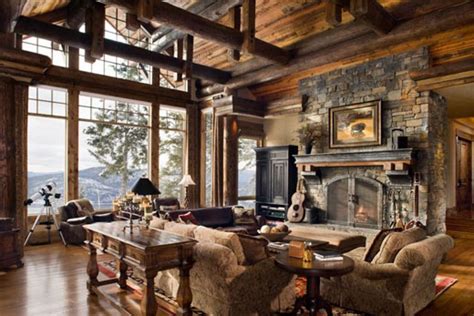
    A rustic home interior is a style that is inspired by the natural world and often features natural materials such as wood, stone, and leather. Rustic interiors are typically warm and inviting, with a focus on comfort and functionality. They often incorporate elements of nature, such as exposed beams, stone fireplaces, and wood floors.

    Rustic home interiors have become increasingly popular in recent years as people seek to create a more relaxed and informal living space. Rustic interiors can be found in homes of all sizes and styles, from cozy cabins to luxurious mansions. They are especially well-suited for homes in rural or natural settings.

    There are many benefits to choosing a rustic home interior. Rustic interiors can be more affordable than other styles, as they often use less expensive materials. They are also more durable and easy to maintain, making them a good choice for families with children or pets. Additionally, rustic interiors can be very comfortable and inviting, creating a warm and welcoming space for family and friends.

    Rustic Home Interior

    A rustic home interior is a style that is inspired by the natural world and often features natural materials such as wood, stone, and leather. Rustic interiors are typically warm and inviting, with a focus on comfort and functionality. They often incorporate elements of nature, such as exposed beams, stone fireplaces, and wood floors.

    Natural Materials

    Warm and Inviting

    Comfortable and Functional

    Exposed Elements

    Neutral Colors

    Cozy and Relaxing

    Affordable and Durable

    Timeless Appeal

    Rustic home interiors have become increasingly popular in recent years as people seek to create a more relaxed and informal living space. Rustic interiors can be found in homes of all sizes and styles, from cozy cabins to luxurious mansions. They are especially well-suited for homes in rural or natural settings.

    Natural Materials

    Natural materials are a key component of rustic home interiors. They create a warm and inviting atmosphere, and they are durable and easy to maintain. Natural materials also have a timeless appeal, meaning that they will never go out of style.

    Some of the most popular natural materials used in rustic home interiors include:

    Wood

    Stone

    Leather

    Iron

    Cotton

    Linen

    Wood is the most common natural material used in rustic home interiors. It can be used for flooring, walls, ceilings, and furniture. Wood adds warmth and character to a space, and it is also very durable. Stone is another popular natural material used in rustic home interiors. It can be used for flooring, countertops, and fireplaces. Stone is a very durable material, and it can add a touch of elegance to a space. Leather is a durable and versatile material that can be used for furniture, upholstery, and accessories. Leather adds a touch of luxury to a space, and it is also very easy to clean. Iron is a strong and durable metal that can be used for furniture, lighting, and accessories. Iron adds a touch of industrial style to a space, and it is also very easy to care for. Cotton and linen are natural fibers that can be used for bedding, curtains, and upholstery. Cotton and linen are soft and comfortable, and they add a touch of coziness to a space.

    When choosing natural materials for your rustic home interior, it is important to consider the overall style of your home. You want to choose materials that complement the other elements in your home, such as your furniture, flooring, and walls. It is also important to consider the durability of the materials you choose. You want to choose materials that will stand up to wear and tear, especially if you have children or pets.

    Natural materials are a great way to create a warm and inviting rustic home interior. They are durable, easy to maintain, and they have a timeless appeal.

    Warm and Inviting

    A rustic home interior is designed to be warm and inviting, creating a space that is comfortable and welcoming. This is achieved through the use of natural materials, such as wood, stone, and leather, which create a sense of coziness and connection to the natural world. Rustic interiors often feature warm colors, such as browns, reds, and oranges, which add to the inviting atmosphere. Lighting is also an important element of a warm and inviting rustic home interior. Natural light is always preferred, and artificial lighting should be used to create a warm and cozy ambiance.

    There are many benefits to creating a warm and inviting rustic home interior. A warm and inviting home is a place where people feel comfortable and relaxed. It is a place where people can gather to socialize, share meals, and create memories. A warm and inviting home can also be a place of refuge, where people can go to escape the stresses of the outside world.

    If you are looking to create a warm and inviting rustic home interior, there are a few things you can do. First, choose natural materials for your flooring, walls, and furniture. Second, use warm colors throughout your home. Third, make sure your home is well-lit with natural light. Finally, add personal touches to your home, such as family photos, artwork, and plants.
    Read More:  Enhance Your Home’s Charm with Interior Window Shutters from Home Depot

    Comfortable and Functional

    In the realm of interior design, the terms “comfortable” and “functional” are often intertwined, especially in the context of rustic home interiors. Rustic interiors prioritize warmth, coziness, and a connection to nature, while also ensuring that the space meets the practical needs of its occupants. This delicate balance between comfort and functionality is achieved through careful planning and the integration of specific design elements.

    Emphasis on Natural Materials: Rustic interiors heavily rely on natural materials like wood, stone, and leather, which provide a sense of warmth and comfort. These materials are durable, easy to maintain, and age gracefully, contributing to the timeless appeal of rustic homes.

    Thoughtful Furniture Choices: Rustic interiors favor comfortable and functional furniture pieces that blend seamlessly with the overall aesthetic. Overstuffed sofas, armchairs with ample cushions, and sturdy dining tables are common choices, ensuring both comfort and practicality for everyday living.

    Maximizing Natural Light: Natural light plays a crucial role in creating a comfortable and inviting rustic space. Large windows and skylights are often incorporated to allow ample sunlight to flood the interior, reducing the need for artificial lighting and creating a connection to the outdoors.

    Incorporating Storage Solutions: Rustic interiors seamlessly integrate storage solutions that blend with the overall design. Built-in shelves, baskets, and concealed compartments help maintain a clutter-free and organized space, enhancing both functionality and comfort.

    By harmoniously combining these facets, rustic home interiors achieve a unique blend of comfort and functionality. They create spaces that are not only aesthetically pleasing but also conducive to relaxation, everyday living, and the creation of cherished memories.

    Exposed Elements

    In the realm of rustic home interiors, exposed elements play a significant role in creating a distinctive and inviting atmosphere. By incorporating natural materials in their raw and unfinished state, rustic interiors embrace the beauty of imperfections and celebrate the inherent character of each element.

    Exposed Beams: Rustic interiors often showcase exposed beams, typically made of wood, which add a touch of rustic charm and architectural interest. These beams can be left in their natural state or stained to complement the overall color scheme, creating a sense of warmth and coziness.

    Stone Walls: Stone walls are another common feature in rustic homes, providing a solid and substantial backdrop to the interior. Whether left bare or adorned with climbing plants, stone walls add a touch of earthy elegance and timeless beauty to the space.

    Brick Accents: Exposed brick walls or accents can add a touch of industrial chic to a rustic interior. The warm tones and textured surface of brick create a visually appealing contrast to other elements, adding depth and character to the space.

    Metal Details: Rustic interiors may also incorporate metal details, such as wrought iron accents or metal light fixtures. These elements add a touch of ruggedness and durability to the space, while complementing the natural materials used throughout.

    Overall, exposed elements in rustic home interiors serve to enhance the connection to nature, celebrate the beauty of imperfections, and create a space that is both inviting and visually captivating.

    Neutral Colors

    In the realm of rustic home interiors, neutral colors play a pivotal role in creating a warm, inviting, and timeless atmosphere. These hues provide a backdrop that allows natural materials and textures to take center stage, while also enhancing the sense of coziness and tranquility associated with rustic living.

    Earthy Tones: Browns, greens, and beiges are quintessential neutral colors for rustic interiors. These earthy hues evoke the colors of nature, creating a sense of connection to the outdoors and fostering a warm and inviting ambiance.

    Grays and Whites: Grays and whites add a touch of sophistication to rustic interiors while maintaining a neutral palette. These colors provide a subtle contrast to darker wood tones and natural materials, creating a balanced and visually appealing space.

    Black Accents: Black accents can add depth and drama to a rustic interior. Used sparingly, black can highlight architectural features, create contrast, and add a touch of modernity to the overall design scheme.

    Pops of Color: While neutral colors dominate rustic interiors, pops of color can be incorporated to add visual interest and reflect personal style. These accents can be found in textiles, artwork, or decorative objects, and should be used in moderation to maintain the overall neutral aesthetic.

    By incorporating neutral colors into rustic home interiors, homeowners can create a space that is both warm and inviting, while also providing a timeless backdrop for personal touches and unique decorative elements.

    Cozy and Relaxing

    In the realm of interior design, creating a cozy and relaxing atmosphere is paramount, and rustic home interiors excel in achieving this. The inherent warmth and charm of rustic elements, combined with thoughtful design choices, contribute to a space that invites relaxation and tranquility.

    The use of natural materials, such as wood, stone, and leather, plays a significant role in fostering a cozy ambiance. These materials possess a timeless appeal and organic textures that evoke a sense of comfort and connection to nature. The tactile quality of these materials further enhances the cozy factor, inviting occupants to touch and interact with their surroundings.
    Read More:  Colonial Charm for Your Home Interior

    Lighting also plays a crucial role in creating a relaxing atmosphere. Rustic interiors often incorporate ample natural light through large windows or skylights. This natural light fills the space with a warm and inviting glow, reducing the need for artificial lighting. When artificial light is necessary, warm and soft lighting sources, such as candles, fireplaces, or string lights, are preferred to create a cozy and intimate ambiance.

    Color schemes in rustic interiors typically favor warm and neutral tones, such as browns, beiges, and greens. These colors evoke a sense of warmth and coziness, promoting relaxation and tranquility. Pops of brighter colors can be introduced through textiles, artwork, or decorative accessories to add visual interest without overpowering the overall calming effect.

    In conclusion, the connection between “Cozy and Relaxing” and “rustic home interior” is undeniable. By embracing natural materials, incorporating thoughtful lighting, and utilizing warm color schemes, rustic interiors create spaces that invite relaxation, tranquility, and a deep sense of comfort.

    Affordable and Durable

    In the realm of interior design, the concepts of “Affordable” and “Durable” are of paramount importance, especially in the context of rustic home interiors. Rustic interiors prioritize the use of natural materials, such as wood, stone, and leather, which are not only aesthetically pleasing but also renowned for their durability and cost-effectiveness.

    The affordability of rustic home interiors stems from the fact that natural materials are readily available and relatively inexpensive compared to other materials used in interior design. Wood, for instance, can be sourced locally, reducing transportation costs and making it a more budget-friendly option. Additionally, natural materials are often more durable and require less maintenance over time, leading to long-term savings on repairs and replacements.

    The durability of rustic home interiors is a direct result of the inherent resilience of natural materials. Wood, for example, is known for its strength and resistance to wear and tear, making it ideal for flooring, furniture, and structural elements. Stone, with its exceptional hardness and resistance to moisture, is commonly used for countertops, fireplaces, and exterior cladding. Leather, too, is a durable material that can withstand daily use and develop a beautiful patina over time.

    By embracing the principles of affordability and durability, rustic home interiors offer a practical and cost-effective solution for those seeking a warm and inviting living space. The use of natural materials ensures that the interior is not only stylish but also built to last, providing homeowners with a sense of comfort and security in their investment.

    Timeless Appeal

    In the realm of interior design, “Timeless Appeal” holds a prominent position, particularly in the context of rustic home interiors. Rustic interiors, characterized by their use of natural materials, warm colors, and comfortable furnishings, possess an enduring charm that transcends fleeting trends and fads.

    The timeless appeal of rustic home interiors stems from several key factors. Firstly, the use of natural materials, such as wood, stone, and leather, creates a sense of authenticity and connection to nature that resonates with people across generations. These materials possess an inherent beauty that only enhances with age, developing a rich patina that tells the story of time and use.

    Secondly, the warm and inviting ambiance of rustic interiors contributes to their timeless appeal. The use of warm colors, soft lighting, and cozy textiles creates a space that feels both inviting and comforting. Rustic interiors evoke a sense of nostalgia and warmth, making them a welcoming retreat from the fast-paced modern world.

    Furthermore, the simplicity and functionality of rustic interiors add to their enduring appeal. Rustic interiors prioritize comfort and practicality, with furnishings and dcor that are both stylish and durable. This focus on functionality ensures that rustic interiors remain relevant and appealing even as design trends evolve.

    In conclusion, the timeless appeal of rustic home interiors is a testament to their ability to create spaces that are both beautiful and enduring. By embracing natural materials, warm colors, and comfortable furnishings, rustic interiors create a sense of authenticity, warmth, and functionality that resonates with people across generations.

    FAQs on Rustic Home Interiors

    Rustic home interiors have gained immense popularity for their warmth, comfort, and timeless appeal. However, there are certain misconceptions and concerns surrounding this design style. This FAQ section aims to address these common queries and provide valuable insights into rustic home interiors.

    Question 1: Are rustic home interiors outdated?

    Answer: Rustic home interiors are far from outdated. In fact, they have experienced a resurgence in popularity due to their ability to create cozy and inviting spaces. Rustic interiors embrace natural materials and timeless design elements, ensuring their enduring appeal.

    Question 2: Are rustic home interiors only suitable for cabins and mountain homes?

    Answer: While rustic interiors are often associated with cabins and mountain homes, they are not limited to these settings. Rustic elements can be seamlessly incorporated into various architectural styles, creating warm and inviting spaces in urban and suburban homes alike.
    Read More:  Transforming Home Interiors: A Journey to Creating Dream Spaces

    Question 3: Do rustic home interiors require a lot of maintenance?

    Answer: Contrary to popular belief, rustic home interiors are relatively low-maintenance. Natural materials like wood and stone are durable and require minimal upkeep. Regular dusting, occasional cleaning, and proper ventilation are usually sufficient to maintain their beauty.

    Question 4: Are rustic home interiors too dark and heavy?

    Answer: While rustic interiors often feature warm and dark tones, they are not inherently dark and heavy. By incorporating ample natural light, choosing lighter wood tones, and using strategic lighting, you can create a bright and airy rustic space.

    Question 5: Can I mix rustic elements with other interior styles?

    Answer: Absolutely! Rustic elements can complement various interior styles, adding warmth and character to modern, contemporary, and even minimalist spaces. Mixing rustic pieces with other styles creates a unique and eclectic look.

    Question 6: Is a rustic home interior suitable for families with children and pets?

    Answer: Rustic home interiors can be an excellent choice for families with children and pets. Natural materials like wood and leather are durable and can withstand everyday wear and tear. Additionally, rustic interiors often incorporate cozy and comfortable furnishings, creating a welcoming and family-friendly atmosphere.

    In conclusion, rustic home interiors offer a timeless and inviting design style that can be adapted to various settings and lifestyles. By addressing common concerns and misconceptions, we hope to encourage you to embrace the warmth and comfort of rustic interiors in your own home.

    Transition to the next article section:

    Tips for Creating a Rustic Home Interior

    Rustic home interiors are characterized by their use of natural materials, warm colors, and comfortable furnishings. By incorporating these elements into your home, you can create a space that is both inviting and stylish.

    Tip 1: Use Natural Materials

    Natural materials, such as wood, stone, and leather, are essential for creating a rustic home interior. These materials add warmth and character to a space, and they are also durable and easy to maintain.

    Tip 2: Choose Warm Colors

    Warm colors, such as brown, red, and orange, are commonly used in rustic home interiors. These colors create a cozy and inviting atmosphere, and they can also help to make a space feel larger.

    Tip 3: Incorporate Comfortable Furnishings

    Rustic home interiors are all about comfort. Choose furniture that is upholstered in soft fabrics, and make sure to include plenty of pillows and throws.

    Tip 4: Add Personal Touches

    Rustic home interiors should reflect your personality. Add personal touches, such as family photos, artwork, and travel souvenirs, to make your space feel unique.

    Tip 5: Don’t Overdo It

    It’s important to avoid overdoing the rustic look. Too much rustic dcor can make a space feel cluttered and dated. Instead, focus on incorporating a few key rustic elements into your home.

    By following these tips, you can create a rustic home interior that is both stylish and inviting. Rustic interiors are a great way to add warmth and character to your home, and they can be enjoyed by people of all ages.

    If you are looking for a way to create a warm and inviting home, consider embracing the rustic style. Rustic interiors are timeless and versatile, and they can be adapted to fit any budget or lifestyle.

    Rustic Home Interior

    The rustic home interior style exudes a timeless charm that transcends fleeting trends. Its emphasis on natural materials, warm colors, and comfortable furnishings creates a space that is both inviting and stylish. Rustic interiors embrace the beauty of imperfection and celebrate the connection to nature.

    Whether you live in a cozy cabin, a charming cottage, or a modern apartment, rustic elements can add warmth and character to your home. By incorporating natural materials such as wood and stone, choosing warm and earthy colors, and selecting comfortable furniture, you can create a rustic interior that is both stylish and inviting. Embrace the rustic style to create a home that is not only beautiful but also a reflection of your personality and values.

    Youtube Video:

    Share this:Related posts:Transform Your Home with Brilliant Interior Home Lighting SolutionsUnique Home Interior Gifts to Elevate Your Living SpacesFind Your Perfect Home with Our Expert Interior Decorators

    You May Like:
    Rustic Home Design Interior: Embracing the Charm of Nature
    Captivating Rustic Mountain Home Interiors: Embrace the Wilderness
    Luxury Log Home Interiors: Achieve Rustic Charm and Comfort
    Contemporary Country Style Homes: Inspiring Interiors with Rustic Charm
    Essential Tips to Enhance Your Cottage Home Interior with Style
    The Ultimate Guide to Captivating Country Home Interiors: Design Tips and Inspiration
    Stunning Country Home Interior Design Inspirations
    Modern Home Interior Design: The Ultimate Guide to Creating a Stylish and Functional Space
    Discover the Enchanting Interiors of Log Cabin Homes: A Rustic Haven
    Timeless Spanish Home Interior Design: A Guide to Creating Enchanting Spaces

    Posted in home interiorTagged home, interior, rustic

    Post navigation
    Previous post Find Your Perfect Home with Our Expert Interior DecoratorsNext post Unique Home Interior Gifts to Elevate Your Living Spaces

  • The Ultimate Guide to Custom Home Interiors: Design Your Dream Home

    The Ultimate Guide to Custom Home Interiors: Design Your Dream Home By Tracy LawtonPosted on November 6, 2024

    The Ultimate Guide to Custom Home Interiors: Design Your Dream Home

    Custom home interiors are designed to meet the specific needs and preferences of the homeowner. They are typically more expensive than standard interiors, but they can add significant value to a home. Custom home interiors can be designed in any style, from traditional to modern. They can also be tailored to the specific needs of the homeowner, such as including features that are accessible for people with disabilities or that are designed to save energy.

    There are many benefits to having a custom home interior. First, it can help to create a more comfortable and inviting living space. Second, it can help to increase the value of your home. Third, it can help to make your home more energy-efficient. Finally, it can help to create a home that is uniquely yours.

    If you are considering having a custom home interior designed, it is important to do your research and find a qualified designer. A good designer will be able to help you create a home that meets your specific needs and preferences.

    Custom Home Interiors

    Custom home interiors are designed to meet the specific needs and preferences of the homeowner. They are typically more expensive than standard interiors, but they can add significant value to a home. Custom home interiors can be designed in any style, from traditional to modern. They can also be tailored to the specific needs of the homeowner, such as including features that are accessible for people with disabilities or that are designed to save energy.

    Personalization: Custom home interiors allow homeowners to create a space that is uniquely their own, reflecting their individual style and taste.

    Functionality: Custom home interiors can be designed to meet the specific needs of the homeowner, such as including features that are accessible for people with disabilities or that are designed to save energy.

    Value: Custom home interiors can add significant value to a home, as they are seen as a desirable feature by potential buyers.

    Creativity: Custom home interiors allow homeowners to be creative and express themselves through their home’s design.

    Quality: Custom home interiors are typically made with high-quality materials and craftsmanship, which can result in a more durable and long-lasting home.

    Comfort: Custom home interiors can be designed to be more comfortable and inviting than standard interiors, as they can be tailored to the specific needs of the homeowner.

    Energy efficiency: Custom home interiors can be designed to be more energy-efficient than standard interiors, as they can include features such as energy-efficient appliances and lighting.

    Sustainability: Custom home interiors can be designed to be more sustainable than standard interiors, as they can include features such as recycled materials and renewable energy sources.

    In conclusion, custom home interiors offer a number of benefits over standard interiors, including personalization, functionality, value, creativity, quality, comfort, energy efficiency, and sustainability. As a result, they are becoming increasingly popular among homeowners who are looking to create a home that is uniquely their own.

    Personalization

    Custom home interiors are all about personalization. They allow homeowners to create a space that is uniquely their own, reflecting their individual style and taste. This can be done in a variety of ways, from choosing the overall design style of the home to selecting the specific finishes and furnishings.

    Design Style: The overall design style of a home is one of the most important ways to personalize it. Homeowners can choose from a variety of styles, such as traditional, modern, rustic, or eclectic. Each style has its own unique characteristics, and homeowners can choose the one that best suits their personality and taste.

    Finishes: The finishes in a home can also be used to personalize it. This includes everything from the flooring and wall coverings to the countertops and hardware. Homeowners can choose finishes that are both beautiful and functional, and that reflect their own personal style.

    Furnishings: The furnishings in a home are another great way to personalize it. Homeowners can choose furniture that is both comfortable and stylish, and that reflects their own personal taste. They can also choose to incorporate pieces that have sentimental value or that tell a story about their family.

    Accessories: Accessories can also be used to personalize a home. This includes everything from artwork and plants to throw pillows and blankets. Homeowners can choose accessories that reflect their own personal style and that make their home feel more inviting and comfortable.

    By personalizing their home interiors, homeowners can create a space that is truly their own. This can make their home more comfortable, inviting, and stylish. It can also be a great way to express their own personality and taste.

    Functionality

    Functionality is a key consideration in custom home interiors. This is because custom home interiors are designed to meet the specific needs of the homeowner. For example, a homeowner with disabilities may need a home that is wheelchair accessible. A homeowner who is interested in saving energy may need a home that is energy-efficient.

    There are many different ways to incorporate functionality into a custom home interior. For example, a homeowner with disabilities may need a home that has wide doorways, roll-in showers, and grab bars. A homeowner who is interested in saving energy may need a home that has energy-efficient appliances, windows, and insulation.

    Incorporating functionality into a custom home interior can make a big difference in the quality of life for the homeowner. For example, a homeowner with disabilities may be able to live more independently in a home that is wheelchair accessible. A homeowner who is interested in saving energy may be able to save money on their energy bills in a home that is energy-efficient.

    When designing a custom home interior, it is important to consider the specific needs of the homeowner. By doing so, you can create a home that is both beautiful and functional.

    Value

    Custom home interiors can add significant value to a home because they are seen as a desirable feature by potential buyers. This is because custom home interiors are typically more stylish, functional, and energy-efficient than standard interiors. As a result, they can make a home more attractive to potential buyers and increase its resale value.

    There are many different ways that custom home interiors can add value to a home. For example, a custom kitchen can include features such as granite countertops, stainless steel appliances, and a large island. These features can make the kitchen more appealing to potential buyers and increase the value of the home. Similarly, a custom bathroom can include features such as a walk-in shower, a whirlpool tub, and heated floors. These features can make the bathroom more luxurious and increase the value of the home.
    Read More:  Best Color for Home Interior: Ultimate Guide to Enhance Your Space

    In addition to being more stylish and functional, custom home interiors can also be more energy-efficient. This is because custom home interiors can include features such as energy-efficient appliances, windows, and insulation. These features can help to reduce the energy costs of the home, which can make it more attractive to potential buyers and increase its resale value.

    Overall, custom home interiors can add significant value to a home by making it more stylish, functional, and energy-efficient. As a result, custom home interiors are a desirable feature for potential buyers and can increase the resale value of a home.

    Creativity

    Custom home interiors provide homeowners with a unique opportunity to express their creativity and individuality. Unlike standard interiors, which are often designed with a more generic appeal, custom home interiors are tailored to the specific tastes and needs of the homeowner. This allows homeowners to create a space that is truly their own, reflecting their personal style and personality.

    Personal Expression: Custom home interiors allow homeowners to express their personal style in every aspect of their home’s design, from the overall layout and flow of the space to the selection of furniture, finishes, and accessories. This can be a highly rewarding experience, as it allows homeowners to create a space that is both beautiful and meaningful to them.

    Unique Designs: Custom home interiors are unique by nature, as they are designed to meet the specific needs and preferences of the homeowner. This means that no two custom home interiors are exactly alike, which can be a major selling point for potential buyers who are looking for a home that is truly one-of-a-kind.

    Increased Satisfaction: Homeowners who are involved in the design process of their custom home interiors are typically more satisfied with the end result. This is because they have had the opportunity to create a space that meets their exact needs and specifications. As a result, they are more likely to feel a sense of ownership and pride in their home.

    Higher Resale Value: Custom home interiors can also increase the resale value of a home. This is because potential buyers are often willing to pay a premium for a home that has been designed to their specific tastes and needs. In addition, custom home interiors can make a home more appealing to a wider range of buyers, which can lead to a faster sale and a higher selling price.

    Overall, custom home interiors offer homeowners a unique opportunity to be creative and express themselves through their home’s design. This can lead to a more personal, unique, and satisfying living space that can also increase the resale value of the home.

    Quality

    Custom home interiors are renowned for their exceptional quality, which stems from the use of superior materials and meticulous craftsmanship. This emphasis on quality not only enhances the aesthetic appeal of the home but also ensures its durability and longevity.

    Premium Materials: Custom home interiors utilize premium materials throughout, from the foundation to the finishing touches. This includes hardwoods, natural stone, and high-quality fabrics, which are carefully selected for their durability, beauty, and resistance to wear and tear.

    Skilled Craftsmanship: The construction of custom home interiors is entrusted to skilled craftsmen who possess a deep understanding of their trade. Their expertise ensures that every detail is executed with precision, resulting in a home that is both structurally sound and visually stunning.

    Timeless Design: Custom home interiors are designed to stand the test of time, both in terms of style and functionality. By incorporating classic design principles and avoiding fleeting trends, these interiors remain relevant and appealing for years to come.

    Increased Value: The investment in quality materials and craftsmanship pays off in the long run. Custom home interiors retain their value exceptionally well, often appreciating in value over time due to their superior construction and timeless appeal.

    The commitment to quality in custom home interiors translates into a living space that is not only beautiful but also built to last. Homeowners can enjoy the peace of mind that comes with knowing their home is constructed with the finest materials and craftsmanship, ensuring a comfortable, stylish, and enduring living environment.

    Comfort

    In the realm of home design, comfort takes center stage in creating a truly livable and enjoyable space. Custom home interiors excel in this aspect, as they are meticulously crafted to align with the unique needs and preferences of the homeowner, resulting in a living environment that exudes comfort and tranquility.

    Personalized Comfort Zones: Custom home interiors allow homeowners to define their ideal comfort zones by incorporating elements that cater to their specific needs. Whether it’s a cozy reading nook, a spacious home theater, or a tranquil meditation room, each space can be tailored to provide maximum relaxation and rejuvenation.

    Ergonomic Design: Comfort extends beyond aesthetics in custom home interiors. Ergonomic principles are carefully considered to ensure that furniture, fixtures, and appliances are designed to support the human body, reducing strain and promoting well-being. This attention to detail translates into a home that is not only stylish but also enhances the overall quality of life.

    Sensory Appeal: Comfort encompasses more than just physical well-being. Custom home interiors engage the senses to create a truly immersive and inviting atmosphere. Soft lighting, soothing colors, and carefully selected textures contribute to a harmonious ambiance that promotes relaxation and tranquility.

    Adaptability to Changing Needs: Life is constantly evolving, and so are our needs. Custom home interiors are designed to adapt to these changes seamlessly. Flexible layouts, modular furniture, and smart home technology allow homeowners to reconfigure their spaces as their needs evolve, ensuring lasting comfort and functionality.

    In essence, the connection between comfort and custom home interiors lies in the ability to create highly personalized living environments that cater to the unique needs of the homeowner. By prioritizing ergonomic design, sensory appeal, and adaptability, custom home interiors elevate comfort to an art form, resulting in spaces that are not just visually stunning but also deeply inviting and restorative.

    Energy efficiency

    Energy efficiency has become a crucial consideration in modern home design, and custom home interiors offer a unique opportunity to optimize energy consumption. By incorporating energy-efficient features and practices, homeowners can significantly reduce their environmental impact while enhancing the comfort and affordability of their living spaces.
    Read More:  Modern Split-Level Home Interior Design: Ideas and Inspiration

    Energy-Efficient Appliances: Custom home interiors allow homeowners to select energy-efficient appliances that meet their specific needs. These appliances, such as refrigerators, dishwashers, and washing machines, are designed to consume less energy while maintaining high performance standards. By choosing energy-efficient appliances, homeowners can reduce their electricity bills and contribute to a more sustainable lifestyle.

    Efficient Lighting: Lighting plays a significant role in energy consumption, and custom home interiors provide ample opportunities to incorporate energy-efficient lighting solutions. LED and CFL bulbs, for instance, consume significantly less energy than traditional incandescent bulbs and have a longer lifespan, reducing maintenance costs and environmental waste. Smart lighting systems can further enhance energy efficiency by allowing homeowners to control lighting remotely, set schedules, and optimize usage based on natural light availability.

    Insulation and Air Sealing: Proper insulation and air sealing are essential for maintaining a comfortable indoor temperature while minimizing energy loss. Custom home interiors can be designed with high-performance insulation materials that prevent heat transfer, reducing the need for excessive heating or cooling. Air sealing measures, such as weatherstripping and caulking, further enhance energy efficiency by preventing air leaks and drafts.

    Renewable Energy Integration: Custom home interiors can seamlessly integrate renewable energy sources such as solar panels and geothermal systems. Solar panels harness the sun’s energy to generate electricity, reducing reliance on fossil fuels and lowering energy costs. Geothermal systems utilize the earth’s natural temperature to heat and cool homes, providing a sustainable and efficient alternative to traditional HVAC systems.

    In conclusion, custom home interiors offer a multifaceted approach to energy efficiency. By incorporating energy-efficient appliances, lighting, insulation, and renewable energy sources, homeowners can create living spaces that are not only stylish and comfortable but also environmentally responsible. Embracing energy efficiency in custom home interiors not only reduces energy consumption and costs but also contributes to a more sustainable and eco-conscious lifestyle.

    Sustainability

    Sustainability has become an increasingly important consideration in all aspects of modern life, and custom home interiors are no exception. By incorporating sustainable features and practices, homeowners can create living spaces that are not only stylish and comfortable but also environmentally responsible.

    Recycled Materials: Custom home interiors allow homeowners to choose materials that are made from recycled content, such as flooring, countertops, and cabinetry. These materials help to reduce waste and conserve natural resources, while also adding a unique and eco-conscious touch to the home.

    Renewable Energy Sources: Custom home interiors can be designed to incorporate renewable energy sources, such as solar panels and geothermal systems. These systems can generate clean energy, reducing the home’s reliance on fossil fuels and lowering energy costs. By utilizing renewable energy, homeowners can contribute to a cleaner and more sustainable future.

    Energy Efficiency: Sustainable custom home interiors prioritize energy efficiency through the use of high-performance insulation, energy-efficient appliances, and smart home technology. These features help to reduce energy consumption and minimize the home’s environmental impact. By optimizing energy efficiency, homeowners can create a more comfortable and cost-effective living space.

    Water Conservation: Custom home interiors can incorporate water-saving fixtures and appliances, such as low-flow toilets and faucets. These features help to conserve water, a precious resource that is becoming increasingly scarce in many parts of the world. By promoting water conservation, homeowners can reduce their water usage and contribute to a more sustainable water future.

    Overall, the connection between sustainability and custom home interiors is inextricably linked. By embracing sustainable features and practices, homeowners can create living spaces that are not only beautiful and comfortable but also environmentally responsible. Custom home interiors offer a unique opportunity to reduce waste, conserve resources, and promote a more sustainable lifestyle, contributing to a healthier and more sustainable future for generations to come.

    Custom Home Interiors FAQs

    Custom home interiors offer a unique opportunity to create a living space that is tailored to your specific needs and preferences. However, there are also some common questions and concerns that people have about custom home interiors. Here are six frequently asked questions about custom home interiors, along with their answers:

    Question 1: Are custom home interiors more expensive than standard interiors?

    Answer: Yes, custom home interiors are typically more expensive than standard interiors. This is because they require more time, labor, and materials to create. However, the cost of a custom home interior can vary depending on the size and complexity of the project, as well as the materials and finishes that are used.

    Question 2: Are custom home interiors worth the investment?

    Answer: Whether or not a custom home interior is worth the investment depends on your individual needs and preferences. If you are looking for a truly unique and personalized living space that meets your specific requirements, then a custom home interior may be a good investment for you. However, if you are on a tight budget, then you may want to consider a more standard interior.

    Question 3: How long does it take to design and build a custom home interior?

    Answer: The time it takes to design and build a custom home interior can vary depending on the size and complexity of the project. However, you can expect the process to take several months, from the initial design phase to the final installation.

    Question 4: Do I need to hire an interior designer to create a custom home interior?

    Answer: It is not necessary to hire an interior designer to create a custom home interior, but it can be helpful. An interior designer can help you to develop a design plan, select materials and finishes, and oversee the installation process. However, if you have a clear vision for your custom home interior and are comfortable managing the project yourself, then you may not need to hire an interior designer.

    Question 5: What are the benefits of having a custom home interior?

    Answer: There are many benefits to having a custom home interior, including:

    – Increased personalization and uniqueness – Improved functionality and efficiency – Increased home value – Greater comfort and enjoyment

    Question 6: What are the challenges of having a custom home interior?
    Read More:  Transform Your Home with Enchanting Porcelain Dolls for Exquisite Interiors

    Answer: There are also some challenges to having a custom home interior, including:

    – Higher cost – Longer design and build time – Potential for design errors – Difficulty in making changes after the project is complete

    Overall, custom home interiors offer a unique opportunity to create a living space that is tailored to your specific needs and preferences. However, it is important to weigh the costs and benefits carefully before making a decision about whether or not to invest in a custom home interior.

    Summary: Custom home interiors can be a great way to create a unique and personalized living space. However, it is important to be aware of the costs and challenges involved before making a decision about whether or not to invest in a custom home interior.

    Transition: Now that you have a better understanding of custom home interiors, you can start to explore your options and decide if a custom home interior is right for you.

    Custom Home Interiors Tips

    Custom home interiors offer a unique opportunity to create a living space that is tailored to your specific needs and preferences. However, there are also some challenges to consider, such as the higher cost and longer design and build time. To help you make the most of your custom home interior project, here are six tips:

    Tip 1: Define Your Needs and Preferences

    Before you start designing your custom home interior, it is important to define your needs and preferences. What are the most important features that you want in your home? What is your preferred style? What are your budget constraints? Once you have a clear understanding of your needs and preferences, you can start to develop a design plan.

    Tip 2: Hire a Qualified Interior Designer

    If you are not sure how to design your custom home interior, it is a good idea to hire a qualified interior designer. An interior designer can help you to develop a design plan, select materials and finishes, and oversee the installation process. A good interior designer will be able to help you create a home that is both beautiful and functional.

    Tip 3: Choose High-Quality Materials and Finishes

    The materials and finishes that you choose for your custom home interior will have a significant impact on the overall look and feel of your home. It is important to choose high-quality materials that will last for years to come. You should also consider the maintenance requirements of the materials that you choose. For example, if you choose a high-gloss finish, you will need to be prepared to clean it regularly.

    Tip 4: Pay Attention to Lighting

    Lighting is an important element of any interior design scheme. In a custom home interior, you have the opportunity to create a lighting plan that is tailored to your specific needs. Consider the different types of lighting that you need, such as ambient lighting, task lighting, and accent lighting. You should also consider the placement of your light fixtures. Proper lighting can make a big difference in the overall look and feel of your home.

    Tip 5: Don’t Be Afraid to Personalize Your Home

    Your custom home interior should reflect your personality and style. Don’t be afraid to incorporate personal touches into your design. This could include anything from your favorite colors and patterns to your cherished family heirlooms. Your home should be a place where you feel comfortable and relaxed.

    Tip 6: Stay Within Your Budget

    It is important to stay within your budget when designing your custom home interior. It is easy to get carried away with all of the possibilities, but it is important to remember that you have a finite amount of money to spend. Be sure to track your expenses carefully and make adjustments as needed.

    Summary: By following these tips, you can create a custom home interior that is both beautiful and functional. Your home should be a reflection of your personality and style, and it should be a place where you feel comfortable and relaxed.

    Transition: Now that you have some tips for designing your custom home interior, you can start to explore your options and make decisions about what you want in your home.

    Custom Home Interiors

    In the realm of interior design, custom home interiors stand as a testament to the power of personalization and meticulous craftsmanship. By embarking on a journey of custom interior design, homeowners can transcend the limitations of standard interiors and create living spaces that are uniquely tailored to their aspirations and lifestyle.

    Throughout this exploration of custom home interiors, we have delved into the myriad benefits they offer. From the unparalleled personalization that empowers homeowners to express their individuality to the enhanced functionality that caters to their specific needs, custom home interiors elevate the living experience to new heights. Moreover, the emphasis on quality materials and craftsmanship ensures durability and longevity, promising a lasting investment in comfort and style.

    As we conclude this discourse, it is imperative to recognize that the pursuit of a custom home interior is not merely a financial investment but an opportunity to craft a space that profoundly resonates with its inhabitants. It is an invitation to shape an environment that fosters well-being, productivity, and the creation of cherished memories. By embracing the principles of custom interior design, homeowners can transform their houses into havens that truly reflect their essence and aspirations.

    Youtube Video:

    Share this:Related posts:Transform Your Home with Brilliant Interior Home Lighting SolutionsUnique Home Interior Gifts to Elevate Your Living SpacesThe Definitive Guide to Creating a Rustic Home Interior Haven

    You May Like:
    The Ultimate Guide to Luxury Home Interiors: Inspiring Elegance in Your Abode
    Unlock Your Dream Home with Free Home Interior Design Software
    Enhance Your Home with Style: The Premier Destination for Home Interior Design
    Transform Your Mobile Home: Inspiring Interior Ideas for a Cozy Haven
    Unveil Your Dream Home with Our Expert Home Interiors Company
    The Ultimate Guide to Designing Your Dream Kitchen: Home Interior Design Kitchen Ideas
    Stunning Container Home Interiors: Designing Dream Spaces in 2023
    Discover Our Latest Home Interiors Catalog for 2023
    Magnificent Luxury Home Interior Design Embellishments
    Modern Home Interior Design: The Ultimate Guide to Creating a Stylish and Functional Space

    Posted in home interiorTagged custom, home, interiors

    Post navigation
    Previous post Transform Your Home with Enchanting Porcelain Dolls for Exquisite InteriorsNext post Irreplaceable Discontinued Home Interior Visuals

  • The Ultimate Guide to Stunning Home Interiors: Elevate Your Living Spaces

    The Ultimate Guide to Stunning Home Interiors: Elevate Your Living Spaces By Tracy LawtonPosted on November 7, 2024

    The Ultimate Guide to Stunning Home Interiors: Elevate Your Living Spaces

    Beautiful home interiors encompass the art of designing and decorating a living space to create a visually pleasing and comfortable environment. It involves selecting furniture, dcor, and other elements that complement each other and reflect the homeowner’s personal style.

    Creating a beautiful home interior offers numerous benefits. It can:

    Enhance the overall aesthetic appeal of a home, making it a more enjoyable place to live in.

    Provide a sense of comfort and relaxation.

    Increase a home’s perceived value.

    Reflect the homeowner’s personality and taste.

    Throughout history, the concept of beautiful home interiors has evolved influenced by cultural, social, and technological factors. In recent years, there has been a growing emphasis on sustainability and eco-friendliness in interior design, with homeowners opting for materials and products that minimize environmental impact.

    Main article topics:

    Elements of beautiful home interiors

    Principles of interior design

    Current trends in home dcor

    Tips for creating a beautiful home interior

    Beautiful Home Interiors

    Creating a beautiful home interior involves considering various key aspects that contribute to its overall aesthetic appeal and functionality. These aspects encompass different dimensions of interior design, ranging from the selection of furniture and dcor to the incorporation of lighting and space planning.

    Color: The choice of colors plays a crucial role in setting the mood and ambiance of a space.

    Furniture: Selecting the right furniture pieces not only enhances comfort but also defines the style of a room.

    Lighting: Proper lighting can transform a space, creating the desired atmosphere and highlighting specific features.

    Dcor: Accessories and decorative items add personality and character to a home interior.

    Space planning: Optimizing the use of space is essential for creating a functional and visually pleasing layout.

    Textiles: Fabrics and textiles, such as curtains, rugs, and upholstery, add warmth and texture to a space.

    Greenery: Incorporating plants and greenery brings life and freshness into a home interior.

    Sustainability: Choosing eco-friendly materials and practices promotes a healthier and more sustainable living environment.

    These key aspects are interconnected and influence each other to create a harmonious and visually appealing space. For instance, the color of a room can complement the furniture and dcor, while the lighting can highlight architectural features and create a cozy atmosphere. By carefully considering each aspect and its relationship to the overall design concept, homeowners and interior designers can craft beautiful home interiors that reflect their unique styles and meet their functional needs.

    Color

    Color is one of the most important elements of beautiful home interiors. It can set the mood and ambiance of a space, and it can also be used to create a desired effect. For example, warm colors like red, orange, and yellow can create a cozy and inviting atmosphere, while cool colors like blue, green, and purple can create a more calming and relaxing space. The choice of colors should also take into account the natural light available in a space, as well as the overall style of the home.

    Facet 1: Color Psychology

    Color has a psychological impact on people, and this can be used to create desired effects in a home. For example, red is known to increase energy levels, while blue is known to promote relaxation. By understanding the psychology of color, homeowners can choose colors that will create the desired mood and ambiance in their homes.

    Facet 2: Color Schemes

    Color schemes are a combination of colors that are used together to create a harmonious look. There are many different types of color schemes, including monochromatic, analogous, and complementary. Homeowners should choose a color scheme that complements the overall style of their home and that creates the desired mood and ambiance.

    Facet 3: Lighting and Color

    The way that light interacts with color can have a significant impact on the overall look and feel of a space. Natural light can change throughout the day, so it is important to consider how the colors in a home will look in different types of light. Artificial light can also be used to create desired effects, such as highlighting architectural features or creating a more intimate atmosphere.

    Facet 4: Color and Trends

    Color trends can change over time, but there are some colors that are always popular. For example, white is a classic color that can be used to create a variety of looks, from traditional to modern. Gray is another popular color that can be used to create a more sophisticated and elegant look. Homeowners should choose colors that they love and that reflect their personal style, but they should also be aware of current color trends.

    By understanding the importance of color and how to use it effectively, homeowners can create beautiful home interiors that are both stylish and inviting. Color is a powerful tool that can be used to transform a space and create the desired mood and ambiance.

    Furniture

    Furniture plays a crucial role in creating beautiful home interiors. The right furniture pieces can enhance comfort, define the style of a room, and create a cohesive and inviting space. When selecting furniture, it is important to consider the following factors:

    Comfort: Furniture should be comfortable to sit or lie on, and it should provide adequate support. Consider the size and shape of the furniture, as well as the materials used.

    Style: Furniture should complement the overall style of the room. For example, traditional furniture is well-suited for a classic living room, while modern furniture is more appropriate for a contemporary space.

    Functionality: Furniture should be functional and meet the needs of the occupants. For example, a coffee table should be large enough to accommodate drinks and snacks, while a sofa should be comfortable for seating multiple people.

    Scale: Furniture should be in proportion to the size of the room. Oversized furniture can make a small room feel cramped, while small furniture can make a large room feel empty.

    By carefully considering these factors, homeowners can choose furniture that will create a beautiful and comfortable home interior. Here are some examples of how furniture can be used to define the style of a room:

    Traditional style: Traditional furniture is typically made of wood and features classic designs. It is often upholstered in fabrics such as velvet, silk, or leather.

    Modern style: Modern furniture is characterized by clean lines and simple shapes. It is often made of materials such as metal, glass, or plastic.

    Contemporary style: Contemporary furniture is a mix of traditional and modern styles. It is often made of a variety of materials, including wood, metal, and fabric.

    Read More:  Transform Your Home: Elevate Interiors with Our Alluring Home Interior Candles
    The right furniture can make all the difference in the overall look and feel of a home interior. By understanding the importance of furniture and how to choose the right pieces, homeowners can create beautiful and comfortable spaces that reflect their personal style.

    Lighting

    Lighting plays a crucial role in creating beautiful home interiors. Proper lighting can transform a space, setting the mood and ambiance, and highlighting specific features. By understanding the different types of lighting and how to use them effectively, homeowners can create beautiful and inviting spaces that meet their needs.

    Facet 1: Ambient Lighting

    Ambient lighting provides general illumination for a space. It is typically achieved through overhead lighting, such as chandeliers, recessed lighting, or track lighting. Ambient lighting should be bright enough to allow people to move around safely and perform tasks, but it should not be so bright that it creates glare or discomfort.

    Facet 2: Task Lighting

    Task lighting provides focused illumination for specific areas, such as reading, cooking, or working. It is typically achieved through table lamps, floor lamps, or under-cabinet lighting. Task lighting should be bright enough to allow people to see clearly, but it should not be so bright that it creates glare or discomfort.

    Facet 3: Accent Lighting

    Accent lighting is used to highlight specific features or objects in a space. It is typically achieved through spotlights, track lighting, or picture lights. Accent lighting can be used to create a focal point, add drama, or simply highlight a favorite piece of art or furniture.

    Facet 4: Decorative Lighting

    Decorative lighting is used to add a touch of style and personality to a space. It is typically achieved through chandeliers, sconces, or pendant lights. Decorative lighting can be used to create a specific mood or ambiance, or simply to add a touch of elegance to a room.

    By understanding the different types of lighting and how to use them effectively, homeowners can create beautiful and inviting home interiors that meet their needs. Lighting is a powerful tool that can be used to transform a space and create the desired atmosphere and ambiance.

    Dcor

    In the realm of interior design, dcor plays a pivotal role in transforming a house into a home, adding both personality and character to a space. Accessories and decorative items, when thoughtfully selected and arranged, have the power to elevate a room from merely functional to truly beautiful. Their significance lies in their ability to reflect the homeowner’s unique style, create a desired ambiance, and enhance the overall aesthetic appeal of a home interior.

    The connection between dcor and beautiful home interiors is undeniable. Accessories and decorative items serve as the finishing touches that bring a room to life, imbuing it with a sense of warmth, comfort, and individuality. They can be used to create a focal point, add pops of color, or introduce interesting textures and patterns. For example, a carefully placed piece of artwork can draw the eye and become a conversation starter, while a cozy throw blanket can add a touch of comfort and warmth to a seating area.

    The practical significance of understanding the importance of dcor in home interiors extends beyond aesthetics. Well-chosen accessories and decorative items can enhance the functionality of a space. For instance, a large mirror can make a room feel more spacious and bright, while a strategically placed rug can define a seating area and reduce noise levels. Additionally, dcor can serve as a way to express one’s personality and interests. Displaying cherished travel souvenirs or showcasing a collection of books can add a personal touch and make a home feel truly lived-in.

    In conclusion, dcor plays a vital role in creating beautiful home interiors. Accessories and decorative items add personality, character, and functionality to a space, transforming it into a reflection of the homeowner’s style and taste. By understanding the importance of dcor and using it effectively, homeowners can create beautiful and inviting spaces that are both aesthetically pleasing and practically functional.

    Space planning

    In the realm of interior design, space planning holds immense significance in shaping beautiful home interiors. It is the art of arranging and utilizing space in a way that maximizes functionality and aesthetics. By optimizing the use of space, homeowners can create interiors that are both visually pleasing and comfortable to live in.

    Facet 1: Functionality and Flow

    Space planning ensures that a room functions smoothly and efficiently. It involves considering the flow of movement within a space, ensuring that there is enough room to move around comfortably and that furniture is arranged in a way that doesn’t obstruct traffic. Proper space planning also takes into account the placement of windows and doors, as well as the location of electrical outlets and other utilities, to ensure that they are easily accessible.

    Facet 2: Visual Balance and Harmony

    Space planning involves creating a visually balanced and harmonious interior. It considers the scale and proportion of furniture and other elements within a space, ensuring that they are in proportion to the size of the room. Space planning also involves arranging furniture and decor in a way that creates focal points and draws the eye to specific areas of the room.

    Facet 3: Natural Light and Ventilation

    Space planning takes into account the natural light and ventilation available in a space. By positioning furniture and other elements in a way that maximizes natural light, homeowners can create interiors that are bright and airy. Proper space planning also ensures that there is adequate ventilation, which is essential for maintaining a healthy and comfortable living environment.

    Facet 4: Storage and Organization

    Space planning involves incorporating adequate storage and organization solutions into a home interior. By planning for storage in advance, homeowners can ensure that they have a place for everything, helping to keep their homes tidy and clutter-free. Proper space planning also takes into account the need for accessibility, ensuring that stored items are easy to reach and retrieve.

    Read More:  Ultimate Guide to Home Interior Color Ideas: Transform Your Space
    In conclusion, space planning is an essential aspect of creating beautiful home interiors. By optimizing the use of space, homeowners can create interiors that are both functional and visually appealing. Proper space planning ensures that a room flows well, is visually balanced, maximizes natural light and ventilation, and provides adequate storage and organization.

    Textiles

    In the realm of interior design, textiles play a crucial role in creating beautiful and inviting home interiors. Fabrics and textiles, such as curtains, rugs, and upholstery, add warmth, texture, and visual interest to a space. Their significance lies in their ability to transform a room’s ambiance, enhance comfort, and contribute to the overall aesthetic appeal.

    The connection between textiles and beautiful home interiors is multifaceted. Firstly, textiles have the power to define a space and create a desired atmosphere. For instance, heavy curtains can block out light and create a cozy and intimate setting, while sheer curtains can let in natural light and make a room feel more airy and spacious. Similarly, a plush rug can add a touch of luxury and warmth to a living room, while a patterned rug can add a pop of color and visual interest.

    Secondly, textiles play a vital role in enhancing comfort and functionality. Upholstered furniture provides a comfortable and inviting place to sit or relax, while curtains can help to regulate temperature and reduce noise levels. Rugs can also provide a soft and warm surface to walk on, especially during colder months.

    Practically speaking, understanding the importance of textiles in home interiors empowers homeowners to make informed decisions when selecting and incorporating these elements into their spaces. By carefully considering the type of fabric, texture, and pattern, homeowners can create interiors that are both visually appealing and functional. For example, choosing a durable fabric for upholstery is essential for high-traffic areas, while selecting a soft and cozy fabric for curtains can enhance the comfort level of a bedroom.

    In conclusion, textiles are an integral part of beautiful home interiors. Their ability to add warmth, texture, and visual interest, as well as enhance comfort and functionality, makes them essential elements for creating spaces that are both aesthetically pleasing and practically functional. By understanding the importance of textiles and using them effectively, homeowners can transform their houses into beautiful and inviting homes.

    Greenery

    The integration of greenery into home interiors has a profound impact on the overall aesthetic appeal and ambiance of a space. Plants and greenery bring life, freshness, and a touch of nature indoors, contributing significantly to the creation of beautiful and inviting living environments.

    Facet 1: Biophilic Connection

    Humans have an innate connection with nature, and incorporating plants into our living spaces taps into this biophilic response. Plants evoke a sense of tranquility, reduce stress levels, and enhance overall well-being. By bringing the outdoors in, greenery helps create a more harmonious and restorative home environment.

    Facet 2: Air Purification

    Plants act as natural air purifiers, removing harmful toxins and pollutants from the air. Studies have shown that certain plants, such as spider plants and peace lilies, are particularly effective in improving indoor air quality. By incorporating greenery into their homes, individuals can create a healthier and more breathable living space.

    Facet 3: Visual Interest and Color

    Plants add visual interest, texture, and color to home interiors. Their varying shapes, sizes, and foliage create a dynamic and inviting atmosphere. Greenery can be used to complement existing dcor or to introduce pops of color and vitality into a space.

    Facet 4: Space Definition and Privacy

    Larger plants can be strategically placed to define different areas within a room or to create a sense of privacy. For example, a tall fiddle-leaf fig tree can be used to separate a living area from a dining area, while a row of potted plants can create a natural screen along a window.

    In conclusion, the incorporation of greenery into home interiors is not merely an aesthetic choice but a multifaceted approach to enhancing the overall beauty, health, and functionality of a living space. By understanding the benefits and implications of greenery, homeowners can create beautiful and inviting environments that promote well-being and connect them with nature.

    Sustainability

    In the realm of home interiors, sustainability has emerged as an increasingly important consideration, as it not only contributes to the creation of beautiful living spaces but also promotes a healthier and more sustainable lifestyle.

    The connection between sustainability and beautiful home interiors is multifaceted. Firstly, eco-friendly materials and practices can enhance the overall aesthetic appeal of a space. For instance, natural materials such as wood, stone, and bamboo add warmth, texture, and a sense of organic beauty to a home. Sustainable flooring options, such as cork or bamboo, offer durability and visual interest while being environmentally friendly.

    Secondly, sustainable choices contribute to a healthier living environment. Eco-friendly paints and finishes emit fewer harmful VOCs (volatile organic compounds), improving indoor air quality and reducing the risk of respiratory issues. Energy-efficient appliances and lighting systems not only reduce energy consumption but also contribute to a more sustainable lifestyle.

    Practically speaking, understanding the importance of sustainability in home interiors empowers homeowners to make informed decisions when selecting materials and products. By opting for sustainable options, they can create beautiful and inviting spaces that align with their values and contribute to a healthier planet. For example, choosing low-flow plumbing fixtures can conserve water, while investing in renewable energy sources, such as solar panels, can reduce reliance on fossil fuels.

    In conclusion, the integration of sustainability into home interiors is not merely a trend but a conscious choice that benefits both the environment and the well-being of occupants. By embracing sustainable materials and practices, homeowners can create beautiful and healthy living spaces that promote a more sustainable lifestyle.

    FAQs on Beautiful Home Interiors

    This section addresses frequently asked questions (FAQs) concerning beautiful home interiors, providing informative answers to guide homeowners and interior design enthusiasts.

    Question 1: What are the key elements to consider when designing a beautiful home interior?

    Answer: Creating a beautiful home interior involves harmonizing various elements such as color, furniture, lighting, dcor, space planning, textiles, greenery, and sustainability. Each element contributes to the overall aesthetic appeal, functionality, and ambiance of the space.
    Read More:  The Ultimate Guide to Interior Design Apps for a Stunning Home

    Question 2: How can I choose the right color scheme for my home interior?

    Answer: Color selection should consider the desired mood and ambiance, as well as the natural light available in the space. Color schemes can be monochromatic, analogous, or complementary, and understanding color psychology can help create specific effects.

    Question 3: What are the most important factors to keep in mind when selecting furniture?

    Answer: When choosing furniture, consider comfort, style, functionality, and scale. Furniture should complement the overall design concept and meet the needs of the occupants, while also being appropriately sized for the space.

    Question 4: How can lighting be used to enhance the beauty of a home interior?

    Answer: Lighting plays a crucial role in setting the mood and highlighting architectural features. Ambient lighting provides general illumination, task lighting focuses on specific areas, accent lighting draws attention to objects, and decorative lighting adds style and personality.

    Question 5: What is the significance of textiles in home interiors?

    Answer: Textiles, such as curtains, rugs, and upholstery, add warmth, texture, and visual interest to a space. They can be used to create focal points, define areas, enhance comfort, and introduce pops of color or patterns.

    Question 6: Why is sustainability important in home interiors?

    Answer: Sustainable practices and materials contribute to a healthier living environment by reducing VOC emissions, conserving energy, and promoting the use of eco-friendly products. Sustainable home interiors not only enhance aesthetic appeal but also prioritize the well-being of occupants and the environment.

    These FAQs provide a glimpse into the essential considerations for creating beautiful home interiors. By understanding the significance of each element and carefully planning the design, homeowners can transform their living spaces into aesthetically pleasing and functional environments that reflect their personal style and enhance their quality of life.

    Transition to the next article section: Exploring the Latest Trends in Home Interior Design

    Tips for Creating Beautiful Home Interiors

    Enhancing the beauty of your home interior requires careful consideration and attention to detail. Here are some practical tips to guide you in creating a visually appealing and inviting living space:

    Tip 1: Embrace Natural Light

    Allowing ample natural light to enter your home can significantly brighten and enlarge the space. Position furniture and seating arrangements to maximize the flow of light, and consider using sheer curtains or blinds to filter while still letting in natural illumination.

    Tip 2: Choose a Harmonious Color Palette

    Color plays a vital role in setting the mood and ambiance of a room. Select a color scheme that complements your desired style and evokes the desired emotions. Consider the natural light and the size of the space when choosing colors, and don’t be afraid to experiment with different combinations.

    Tip 3: Layer Lighting

    A well-lit space is both functional and inviting. Incorporate a combination of ambient, task, and accent lighting to create layers of illumination. Use ambient lighting for general brightness, task lighting for specific activities, and accent lighting to highlight architectural features or create focal points.

    Tip 4: Maximize Space and Functionality

    Make the most of your available space by choosing furniture that is appropriately sized and multi-functional. Consider built-in storage solutions, such as bookshelves or drawers, to keep clutter at bay and maintain a sense of order.

    Tip 5: Add Personal Touches

    Display cherished artwork, photographs, or travel souvenirs to add a touch of personality to your home. These personal touches will make your space feel more lived-in and welcoming.

    Tip 6: Don’t Neglect Greenery

    Incorporating plants and greenery into your home interior can bring a sense of freshness and vitality. Plants not only purify the air but also add a touch of color and texture to the space.

    Tip 7: Pay Attention to Details

    Small details can make a big impact on the overall look and feel of your home interior. Carefully select throw pillows, curtains, and other accessories that complement your chosen style and color scheme. Even the smallest details can elevate the beauty of your space.

    Summary: Creating a beautiful home interior requires a thoughtful approach that encompasses various elements, including color, lighting, space planning, and personal touches. By implementing these tips, you can transform your living space into a visually appealing and inviting haven that reflects your unique style and enhances your well-being.

    Conclusion

    In conclusion, the exploration of “beautiful home interiors” encompasses a multitude of elements that contribute to the creation of visually appealing and inviting living spaces. From the harmonious interplay of color and lighting to the thoughtful incorporation of furniture, textiles, and greenery, each aspect plays a significant role in enhancing the beauty and functionality of a home.

    The pursuit of beautiful home interiors is not merely an aesthetic endeavor but a reflection of our desire to create spaces that inspire, uplift, and nurture our well-being. By embracing the principles and tips outlined in this article, homeowners and interior design enthusiasts can transform their living spaces into beautiful and inviting havens that truly reflect their personal style and aspirations.

    Youtube Video:

    Share this:Related posts:Transform Your Home with Brilliant Interior Home Lighting SolutionsUnique Home Interior Gifts to Elevate Your Living SpacesThe Definitive Guide to Creating a Rustic Home Interior Haven

    You May Like:
    The Art of Home Interiors Decoration: Transforming Your Living Spaces
    The Ultimate Guide to Living Room Home Interior Design – Transform Your Space Today
    Exclusive New Home Interiors: Elevate Your Living Space
    The Ultimate Guide to Home Interior Design for Compact Living Spaces
    The Ultimate Guide to Custom Home Interiors: Design Your Dream Home
    Uncover Your Dream Home: Inspiring Interior Decor Ideas to Transform Your Space
    Stunning Home Interiors: A Visual Guide to Beautiful Spaces
    Transforming Home Interiors: A Journey to Creating Dream Spaces
    Enhance Your Home with Style: The Premier Destination for Home Interior Design
    The Ultimate Guide to Home Interior Decor Ideas for Creating a Stylish and Inviting Space

    Posted in home interiorTagged beautiful, home, interiors

    Post navigation
    Previous post Inspiring Shipping Container Homes: Interior Design Ideas Inside and OutNext post Majestic Tudor Style Homes: A Timeless Embodiment of Grandeur Inside and Out

  • The Ultimate Guide to Thomas Kinkade Home Interior Masterpieces

    The Ultimate Guide to Thomas Kinkade Home Interior Masterpieces By Tracy LawtonPosted on November 8, 2024

    The Ultimate Guide to Thomas Kinkade Home Interior Masterpieces

    Thomas Kinkade home interior pictures, characterized by their idyllic landscapes and serene settings, have become synonymous with cozy and comforting home dcor. Often featuring cozy cottages, tranquil gardens, and breathtaking mountain vistas, these paintings evoke a sense of nostalgia and peace, making them popular choices for bedrooms, living rooms, and other spaces where relaxation and tranquility are desired.

    Kinkade’s unique style, known as the “Painter of Light,” is defined by his use of soft, muted colors and intricate details. His paintings often depict scenes of everyday life, capturing moments of beauty and simplicity that resonate with viewers. The popularity of Thomas Kinkade home interior pictures has led to the creation of various merchandise, including prints, posters, and home accessories, allowing individuals to incorporate his artwork into their living spaces and create a warm and inviting atmosphere.

    Beyond their aesthetic appeal, Thomas Kinkade home interior pictures are also valued for their ability to evoke positive emotions and create a sense of well-being. Studies have shown that viewing nature scenes, such as those depicted in Kinkade’s paintings, can reduce stress, lower blood pressure, and improve mood. By bringing the beauty of the outdoors into indoor spaces, these paintings can contribute to a healthier and more harmonious living environment.

    Thomas Kinkade Home Interior Pictures

    Thomas Kinkade home interior pictures, characterized by their idyllic landscapes and serene settings, have become synonymous with cozy and comforting home dcor. Various aspects contribute to their enduring popularity and significance:

    Nostalgic Charm: Kinkade’s paintings evoke a sense of nostalgia and simpler times, appealing to those seeking comfort and familiarity.

    Tranquil Ambiance: The serene landscapes and muted colors create a calming and tranquil ambiance, promoting relaxation and stress reduction.

    Nature’s Embrace: By bringing scenes of nature indoors, Kinkade’s paintings connect individuals with the beauty of the outdoors, enhancing well-being.

    Artistic Skill: Kinkade’s meticulous attention to detail and use of soft, muted colors demonstrate his exceptional artistic skills.

    Emotional Resonance: The scenes depicted in Kinkade’s paintings often resonate with viewers on an emotional level, evoking feelings of peace, joy, and tranquility.

    Versatile Decor: The diverse range of subjects and styles in Kinkade’s paintings makes them versatile dcor options, complementing various interior design schemes.

    Investment Value: Original Thomas Kinkade paintings and limited-edition prints have become collectible items, holding potential investment value.

    In conclusion, Thomas Kinkade home interior pictures offer a unique blend of artistic beauty, emotional resonance, and practical functionality. Their ability to create a cozy, tranquil, and visually appealing atmosphere has made them a beloved choice for home decorators seeking to enhance the ambiance of their living spaces. Whether admired for their nostalgic charm, nature’s embrace, or investment potential, these paintings continue to grace homes worldwide, bringing a touch of serenity and inspiration to everyday life.

    Nostalgic Charm

    The nostalgic charm of Thomas Kinkade home interior pictures is a significant factor in their enduring popularity. Kinkade’s paintings often depict scenes of everyday life in idyllic settings, evoking a sense of simpler times and comforting familiarity. This nostalgic appeal resonates with many individuals, particularly those seeking to create a cozy and inviting atmosphere in their homes.

    By incorporating elements of nostalgia into his paintings, Kinkade taps into a universal human desire for connection to the past and a longing for simpler times. His paintings offer viewers a visual escape from the complexities of modern life, allowing them to immerse themselves in a world of tranquility and peace. The nostalgic charm of Kinkade’s paintings provides a sense of comfort and familiarity, making them a beloved choice for home decorators seeking to create a cozy and welcoming ambiance.

    In conclusion, the nostalgic charm of Thomas Kinkade home interior pictures plays a crucial role in their appeal. By evoking a sense of simpler times and comforting familiarity, Kinkade’s paintings create a cozy and inviting atmosphere, resonating with those seeking a sense of peace and tranquility in their living spaces.

    Tranquil Ambiance

    The tranquil ambiance created by Thomas Kinkade home interior pictures is a key factor in their popularity and significance. Kinkade’s paintings often depict serene landscapes with soft, muted colors, which evoke a sense of peace and tranquility. The calming effect of these paintings is well-documented, with studies showing that viewing nature scenes can reduce stress, lower blood pressure, and improve mood.

    By bringing the beauty of nature indoors, Kinkade’s paintings create a relaxing and stress-reducing environment in homes. The serene landscapes and muted colors invite viewers to escape from the hustle and bustle of everyday life and immerse themselves in a world of tranquility. This calming effect makes Kinkade’s paintings ideal for bedrooms, living rooms, and other spaces where relaxation is desired.

    The practical significance of the tranquil ambiance created by Thomas Kinkade home interior pictures is evident in their widespread use in healthcare settings. Hospitals, clinics, and nursing homes often incorporate Kinkade’s paintings into their interior design to create a calming and healing environment for patients and visitors. Studies have shown that exposure to nature scenes, such as those depicted in Kinkade’s paintings, can reduce pain, anxiety, and stress levels, contributing to faster recovery times and improved overall well-being.

    In conclusion, the tranquil ambiance created by Thomas Kinkade home interior pictures is a significant aspect of their appeal and significance. The serene landscapes and muted colors evoke a sense of peace and tranquility, promoting relaxation and stress reduction. This calming effect makes Kinkade’s paintings not only aesthetically pleasing but also beneficial for mental and physical well-being, contributing to a more harmonious and healthier living environment.
    Read More:  Awe-Inspiring Modern Ranch-Style Homes: A Haven of Interior Design

    Nature’s Embrace

    Thomas Kinkade home interior pictures play a significant role in connecting individuals with the beauty of the outdoors, thereby enhancing their well-being. Kinkade’s paintings often depict serene landscapes, tranquil gardens, and breathtaking mountain vistas, bringing the beauty of nature into indoor spaces. This connection to nature has well-documented positive effects on both physical and mental health, contributing to a more harmonious and fulfilling living environment.

    Stress Reduction and Relaxation: Viewing nature scenes, such as those depicted in Kinkade’s paintings, has been shown to reduce stress levels and promote relaxation. The calming effect of these paintings can create a tranquil ambiance in homes, providing a sanctuary from the hustle and bustle of everyday life.

    Improved Mood and Emotional Well-being: Studies have demonstrated that exposure to nature can improve mood and enhance emotional well-being. Kinkade’s paintings bring the uplifting qualities of nature indoors, creating a positive and cheerful atmosphere in living spaces.

    Enhanced Cognitive Function: Research suggests that viewing nature scenes can improve cognitive function, including attention, memory, and problem-solving abilities. Incorporating Kinkade’s paintings into home interiors can support mental clarity and focus.

    Connection to the Natural World: In today’s increasingly urbanized world, Kinkade’s paintings provide a connection to the natural world for those who may not have easy access to outdoor spaces. These paintings offer a sense of escape and tranquility, reminding viewers of the beauty and wonder of the natural world.

    In conclusion, the connection between nature and well-being is profoundly captured in Thomas Kinkade home interior pictures. By bringing the beauty of the outdoors indoors, these paintings not only enhance the aesthetic appeal of living spaces but also contribute to the overall well-being of individuals. Their ability to reduce stress, improve mood, enhance cognitive function, and connect people with the natural world makes them valuable additions to any home.

    Artistic Skill

    The exceptional artistic skills of Thomas Kinkade are instrumental in the creation of his captivating home interior pictures. Kinkade’s meticulous attention to detail is evident in the intricate brushstrokes and realistic renderings that characterize his paintings. His mastery of soft, muted colors contributes to the serene and inviting ambiance that his artwork evokes.

    Kinkade’s artistic skill is not merely a matter of technical proficiency but also a reflection of his deep appreciation for the beauty of the natural world. His paintings often depict scenes of idyllic landscapes, tranquil gardens, and cozy cottages, all rendered with a level of detail that captures the essence of each subject. The soft, muted colors he employs create a sense of harmony and balance, inviting viewers to immerse themselves in the peaceful and serene atmosphere of his paintings.

    The connection between Kinkade’s artistic skill and the success of his home interior pictures is undeniable. His ability to create realistic and inviting scenes, combined with his mastery of color and detail, has made his paintings immensely popular among homeowners seeking to create a cozy and tranquil living space. The artistic skill demonstrated in Thomas Kinkade home interior pictures is not only visually appealing but also contributes to their enduring popularity and significance.

    Emotional Resonance

    Thomas Kinkade home interior pictures have gained immense popularity due to their ability to evoke strong emotional responses from viewers. Kinkade’s paintings often depict scenes of idyllic landscapes, tranquil gardens, and cozy cottages, which resonate with universal human emotions and aspirations for peace, joy, and tranquility.

    Nostalgia and Familiarity: Kinkade’s paintings evoke a sense of nostalgia and familiarity, reminding viewers of cherished memories and simpler times. This emotional connection creates a comforting and welcoming atmosphere in homes.

    Escape and Tranquility: The serene landscapes and muted colors in Kinkade’s paintings offer an escape from the hustle and bustle of everyday life. They create a sense of tranquility and peace, allowing viewers to relax and de-stress in their own homes.

    Hope and Inspiration: Kinkade’s paintings often depict scenes of hope and inspiration, such as sunrises over mountains or children playing in meadows. These images uplift viewers and instill a sense of optimism and joy.

    Personal Connections: Kinkade’s paintings allow viewers to connect with their own emotions and experiences. The scenes depicted in his paintings can trigger personal memories or evoke feelings of gratitude, contentment, or love.

    The emotional resonance of Thomas Kinkade home interior pictures is a key factor in their enduring popularity. These paintings not only add aesthetic value to homes but also create a positive and emotionally uplifting environment for homeowners and guests alike.

    Versatile Decor

    The versatile dcor options offered by Thomas Kinkade home interior pictures contribute significantly to their popularity and widespread appeal. Kinkade’s paintings encompass a diverse range of subjects and styles, including idyllic landscapes, tranquil gardens, cozy cottages, and heartwarming scenes of everyday life. This diversity allows homeowners to select paintings that complement their unique interior design schemes and personal preferences.
    Read More:  Transform Your Home with Premium Interior Doors

    Adaptability to Different Styles: Kinkade’s paintings can seamlessly blend with various interior design styles, from traditional to contemporary. His landscapes and nature scenes complement rustic, farmhouse, and cottage-core dcor, while his cozy cottages and cityscapes add warmth and charm to modern and minimalist spaces.

    Wide Range of Subjects: The diverse subject matter in Kinkade’s paintings ensures that there is a suitable option for every room and taste. From tranquil gardens for bedrooms to inspiring landscapes for living rooms, Kinkade’s paintings offer a versatile solution for enhancing the ambiance of any space.

    Seasonal Appeal: Kinkade’s seasonal paintings, such as snow-covered villages during winter or blooming gardens in spring, allow homeowners to change their dcor according to the seasons, creating a dynamic and ever-changing visual experience.

    The versatility of Thomas Kinkade home interior pictures extends beyond their ability to complement different design styles. They also serve as valuable tools for interior decorators and homeowners seeking to create a cohesive and visually appealing living space. By incorporating Kinkade’s paintings into their design schemes, decorators can achieve a balanced and harmonious look that reflects the unique personality and preferences of their clients.

    In conclusion, the diverse range of subjects and styles in Thomas Kinkade home interior pictures makes them versatile dcor options, complementing various interior design schemes. This versatility, coupled with their ability to enhance the ambiance and evoke positive emotions, has contributed to the enduring popularity and appeal of Kinkade’s paintings among homeowners and interior decorators alike.

    Investment Value

    The investment value associated with original Thomas Kinkade paintings and limited-edition prints adds another layer of significance to his home interior pictures. Over time, Kinkade’s artwork has gained recognition as a collectible asset, attracting art enthusiasts and investors alike.

    Scarcity and Exclusivity: Original Kinkade paintings and limited-edition prints are produced in controlled quantities, ensuring their scarcity and exclusivity. This scarcity contributes to their value as collectors’ items, as their availability is limited over time.

    Appreciation in Value: As Kinkade’s popularity continues to grow, the demand for his artwork remains strong. This sustained demand has led to a steady appreciation in the value of his paintings and prints, making them a potential investment opportunity for collectors.

    Historical Significance: Kinkade’s unique style and prolific output have cemented his place in the art world. His paintings have become synonymous with a specific era and aesthetic, making them valuable historical artifacts for collectors of Americana and popular culture.

    Emotional Connection: Beyond their financial value, Kinkade’s home interior pictures hold emotional significance for many collectors. His idyllic scenes and heartwarming depictions resonate with individuals, creating a personal connection that enhances their value as cherished possessions.

    In conclusion, the investment value associated with Thomas Kinkade home interior pictures adds another dimension to their appeal and significance. As collectible items, they offer potential financial returns and historical value, making them attractive not only for their aesthetic qualities but also as astute investments.

    Frequently Asked Questions about Thomas Kinkade Home Interior Pictures

    This section addresses commonly asked questions regarding Thomas Kinkade home interior pictures, providing informative answers to clarify any misconceptions or concerns.

    Question 1: What is the significance of Thomas Kinkade’s home interior pictures?

    Answer: Thomas Kinkade’s home interior pictures have gained widespread popularity due to their idyllic and serene depictions of landscapes, gardens, and cozy cottages. His unique style, characterized by soft, muted colors and intricate details, evokes a sense of nostalgia, tranquility, and emotional resonance in viewers. These paintings are valued not only for their aesthetic appeal but also for their ability to create a peaceful and inviting atmosphere in homes.

    Question 2: What is the artistic style of Thomas Kinkade?

    Answer: Thomas Kinkade’s artistic style is often described as “Painter of Light.” His paintings are characterized by a soft, muted color palette, meticulous attention to detail, and a focus on creating scenes that evoke a sense of nostalgia, peace, and tranquility. Kinkade’s unique style has made his paintings widely recognizable and sought after by art enthusiasts and home decorators alike.

    Question 3: Are Thomas Kinkade home interior pictures suitable for various interior design styles?

    Answer: Yes, Thomas Kinkade home interior pictures offer a versatile complement to different interior design styles. The diverse range of subjects and styles in Kinkade’s paintings, from landscapes to cityscapes and cozy cottages, allows them to blend seamlessly with traditional, contemporary, and eclectic dcor. Their ability to evoke a sense of peace and tranquility makes them suitable for various rooms, including bedrooms, living rooms, and hallways.

    Question 4: What is the investment value of Thomas Kinkade home interior pictures?

    Answer: Original Thomas Kinkade paintings and limited-edition prints have gained recognition as collectible items, holding potential investment value. The scarcity, exclusivity, and historical significance of his artwork contribute to its value among art collectors and investors. As Kinkade’s popularity continues to grow, the demand for his paintings remains strong, leading to a steady appreciation in their value.

    Question 5: Where can I purchase Thomas Kinkade home interior pictures?

    Answer: Thomas Kinkade home interior pictures are available for purchase through authorized dealers, galleries, and online retailers. It is recommended to purchase from reputable sources to ensure the authenticity and quality of the artwork.

    Question 6: How can I care for my Thomas Kinkade home interior picture?

    Answer: To preserve the beauty and longevity of your Thomas Kinkade home interior picture, it is important to handle and care for it properly. Keep the painting away from direct sunlight and excessive moisture. Clean the painting gently with a soft, dry cloth. Avoid using harsh chemicals or abrasive cleaners. If necessary, consult with a professional art conservator for proper cleaning and restoration techniques.

    In summary, Thomas Kinkade home interior pictures are renowned for their nostalgic charm, tranquil ambiance, and emotional resonance. Their versatility, investment potential, and timeless appeal make them valuable additions to any home or art collection.
    Read More:  Victorian Elegance: A Guide to Timeless Home Interiors

    Should you have any further inquiries or require additional information, please do not hesitate to contact authorized dealers or visit the official Thomas Kinkade website for more details.

    Tips for Selecting and Displaying Thomas Kinkade Home Interior Pictures

    Thomas Kinkade’s home interior pictures are renowned for their ability to evoke a sense of tranquility and nostalgia. By incorporating these paintings into your home dcor, you can create a warm and inviting atmosphere. Here are some tips to help you select and display Thomas Kinkade home interior pictures:

    Tip 1: Consider the Mood You Want to Create: Kinkade’s paintings depict various scenes, from serene landscapes to charming cottages. Choose a painting that aligns with the mood you want to create in the space. For instance, a peaceful landscape may be ideal for a bedroom, while a bustling cityscape might be more suitable for a living room.

    Tip 2: Select the Right Size and Placement: The size of the painting should complement the dimensions of the room. A large painting can make a bold statement in a spacious room, while a smaller piece may be more appropriate for a cozy nook. Consider the focal point of the room and place the painting accordingly.

    Tip 3: Choose a Complementary Color Palette: Kinkade’s paintings often feature soft, muted colors. When selecting a frame, opt for a color that complements the dominant hues in the painting. This will help to create a cohesive and harmonious look.

    Tip 4: Pay Attention to Lighting: Proper lighting can enhance the beauty of a Thomas Kinkade painting. Avoid placing the painting in direct sunlight, as this can damage the artwork over time. Instead, opt for indirect lighting that illuminates the painting evenly.

    Tip 5: Consider the Surroundings: The surrounding dcor can either complement or clash with a Thomas Kinkade painting. Choose furniture and accessories that harmonize with the style and mood of the painting. For instance, a rustic painting may pair well with wooden furniture and warm textiles.

    Tip 6: Protect Your Investment: Thomas Kinkade paintings are valuable works of art. To protect your investment, frame the painting using acid-free materials and UV-resistant glass. This will help to prevent fading and damage.

    Tip 7: Enjoy the Beauty: Once you have selected and displayed your Thomas Kinkade home interior picture, take some time to appreciate its beauty. Allow the painting to transport you to a serene and peaceful place, and let its calming influence permeate your home.

    By following these tips, you can create a stunning and inviting space with Thomas Kinkade home interior pictures. Their timeless appeal and ability to evoke a sense of tranquility will bring joy and warmth to your home for years to come.

    Conclusion

    Thomas Kinkade home interior pictures have captivated audiences with their idyllic landscapes, serene settings, and nostalgic charm. Through his unique style characterized by soft, muted colors and meticulous details, Kinkade’s paintings evoke a sense of peace, tranquility, and emotional resonance.

    The popularity of these paintings extends beyond their aesthetic appeal. They offer therapeutic benefits, reducing stress, improving mood, and creating a harmonious living environment. The versatile nature of Kinkade’s artwork allows them to complement various interior design styles, from traditional to contemporary. Additionally, their investment value makes them attractive to collectors and art enthusiasts alike.

    Incorporating Thomas Kinkade home interior pictures into your living space is an investment in beauty, tranquility, and timeless appeal. Whether you seek to create a cozy retreat or add a touch of nostalgia to your home, these paintings will provide a lasting source of joy and inspiration.

    Youtube Video:

    Share this:Related posts:Transform Your Home with Brilliant Interior Home Lighting SolutionsUnique Home Interior Gifts to Elevate Your Living SpacesThe Definitive Guide to Creating a Rustic Home Interior Haven

    You May Like:
    Home Decor: Captivating Thomas Kinkade Pictures
    Find Your Perfect Thomas Kinkade Picture for Home Interior Decor
    Dreamy Angel Art for Your Ethereal Abode: Home Interior’s Divine Inspiration
    Eye-Catching Home Interior Fruit Pictures to Enhance Your Space
    Ravishing Home Interiors Adorned with Pictures of Vibrant Flowers
    Stunning Cowboy Photographs to Elevate Your Home’s Western Charm
    Memories Framed: Vintage Treasures for Your Home’s Story
    Discover the Timeless Beauty of Frank Lloyd Wright’s Home Interiors
    Home Interiors Pictures | Inspiration for Your Dream Home
    Revolutionary Home Interior Design Pictures That Will Inspire Your Renovation Dreams

    Posted in home interiorTagged home, interior, kinkade, thomas

    Post navigation
    Previous post Majestic Tudor Style Homes: A Timeless Embodiment of Grandeur Inside and OutNext post Discover the Enchanting Beauty of Spanish-Style Home Interiors

  • Transform Your Home with Brilliant Interior Home Lighting Solutions

    Transform Your Home with Brilliant Interior Home Lighting Solutions By Tracy LawtonPosted on November 13, 2024

    Transform Your Home with Brilliant Interior Home Lighting Solutions

    Interior home lighting is a crucial part of interior design that enhances the aesthetics and functionality of a living space. It involves using lighting fixtures, natural light, and other elements to create a welcoming, comfortable, and stylish atmosphere.

    Effective interior home lighting can have several benefits. It can improve mood and productivity, reduce eye strain, and create a sense of safety and security. Additionally, proper lighting can accentuate architectural features, highlight artwork, and create different ambiances for various activities.

    There are several key aspects to consider when designing an interior home lighting plan. These include the type of fixtures used, the placement of light sources, and the color temperature of the light. By carefully considering these factors, homeowners can create a lighting scheme that meets their specific needs and preferences.

    Interior Home Lighting

    Interior home lighting plays a vital role in creating a comfortable, functional, and stylish living space. There are several key aspects to consider when designing an interior home lighting plan, including:

    Fixture selection: The type of lighting fixtures used can significantly impact the overall look and feel of a space. There are many different types of fixtures to choose from, including chandeliers, pendants, recessed lighting, and sconces.

    Light placement: The placement of light sources is also important. Natural light should be maximized whenever possible, but artificial light sources can be used to supplement natural light or create specific effects.

    Color temperature: The color temperature of light refers to its warmth or coolness. Warm light can create a cozy and inviting atmosphere, while cool light can be more energizing and focused.

    Layering: Layering different types of lighting can create a more visually interesting and functional space. For example, a combination of ambient lighting, task lighting, and accent lighting can be used to create a well-rounded lighting scheme.

    Control: The ability to control the lighting in a space is also important. Dimmers and switches can be used to adjust the brightness and color temperature of light, creating different moods and ambiances.

    Energy efficiency: Energy-efficient lighting can help to reduce energy costs and protect the environment. There are many different types of energy-efficient lighting options available, including LED and CFL bulbs.

    By carefully considering these key aspects, homeowners can create a lighting scheme that meets their specific needs and preferences. For example, a homeowner who wants to create a cozy and inviting living room might choose to use warm light and soft, diffused lighting. A homeowner who wants to create a more energizing and focused workspace might choose to use cool light and bright, direct lighting.

    Fixture selection

    Fixture selection is an important part of interior home lighting. The type of fixtures used can significantly impact the overall look and feel of a space. For example, a chandelier can add a touch of elegance to a dining room, while recessed lighting can create a more modern and minimalist look. The choice of fixtures should also take into account the function of the space. For example, task lighting is important for areas where people need to perform detailed work, such as kitchens and offices.

    There are many different types of lighting fixtures available, each with its own unique advantages and disadvantages. Chandeliers are a popular choice for dining rooms and living rooms. They can add a touch of elegance and sophistication to a space. However, chandeliers can also be expensive and difficult to clean. Pendants are another popular choice for lighting. They are typically hung from the ceiling and can be used to create a more intimate and focused lighting effect. Recessed lighting is a good choice for creating a more modern and minimalist look. Recessed lights are installed into the ceiling and can be used to provide general illumination or to highlight specific areas of a space. Sconces are a type of wall-mounted lighting fixture. They can be used to provide general illumination or to create a more decorative effect.

    When selecting lighting fixtures, it is important to consider the overall style of the space, the function of the space, and the amount of natural light available. By carefully considering all of these factors, you can choose the perfect lighting fixtures to create a beautiful and functional space.

    Light placement

    Light placement is an essential aspect of interior home lighting. The placement of light sources can significantly impact the overall look and feel of a space. For example, natural light can be used to create a bright and airy atmosphere, while artificial light can be used to create a more intimate and cozy atmosphere.

    Functional Lighting:

    Light placement should be considered in relation to the function of a space. For example, task lighting is important for areas where people need to perform detailed work, such as kitchens and offices. Ambient lighting is important for creating a general level of illumination in a space. Accent lighting can be used to highlight specific areas or objects in a space.

    Natural Light:

    Natural light should be maximized whenever possible. Natural light can help to reduce energy costs and improve mood and productivity. When designing a lighting plan, it is important to consider the amount of natural light available in a space and how it can be used to supplement artificial light.

    Artificial Light:

    Artificial light sources can be used to supplement natural light or create specific effects. For example, artificial light can be used to create a more intimate and cozy atmosphere in a living room or to highlight specific artwork or architectural features.

    Control:

    The ability to control the lighting in a space is also important. Dimmers and switches can be used to adjust the brightness and color temperature of light, creating different moods and ambiances.

    Read More:  Home Interiors Party: Celebrate Your Home’s Style
    By carefully considering light placement, homeowners can create a lighting scheme that meets their specific needs and preferences. For example, a homeowner who wants to create a bright and airy living room might choose to use natural light and light-colored walls. A homeowner who wants to create a more intimate and cozy living room might choose to use artificial light and dark-colored walls.

    Color temperature

    The color temperature of light is an important consideration when designing an interior home lighting plan. Warm light, which has a lower color temperature, can create a cozy and inviting atmosphere. This type of light is often used in living rooms, bedrooms, and other areas where people want to relax and unwind. Cool light, which has a higher color temperature, can be more energizing and focused. This type of light is often used in kitchens, offices, and other areas where people need to be alert and productive.

    There are many different ways to use color temperature to create different moods and ambiances in a home. For example, a homeowner might use warm light in the living room to create a cozy and inviting atmosphere for family and friends. In the kitchen, the same homeowner might use cool light to create a more energizing and focused environment for cooking and meal preparation.

    Understanding the connection between color temperature and interior home lighting is essential for creating a lighting scheme that meets the specific needs and preferences of homeowners. By carefully considering the color temperature of light, homeowners can create a lighting scheme that enhances the look, feel, and functionality of their home.

    Layering

    Layering is a key principle of interior home lighting design. By combining different types of lighting, homeowners can create a more visually interesting and functional space. Ambient lighting provides general illumination, task lighting helps people to perform specific tasks, and accent lighting highlights specific areas or objects.

    Ambient Lighting

    Ambient lighting provides general illumination for a space. It can come from natural light, overhead lighting, or a combination of both. Ambient lighting should be bright enough to allow people to move around safely and perform general tasks, but it should not be so bright that it is glaring or uncomfortable.

    Task Lighting

    Task lighting is used to help people perform specific tasks. It can come from desk lamps, under-cabinet lighting, or other fixtures that are positioned to provide focused light on a specific area. Task lighting is important for areas where people need to read, write, cook, or perform other detailed work.

    Accent Lighting

    Accent lighting is used to highlight specific areas or objects in a space. It can come from spotlights, picture lights, or other fixtures that are positioned to create a focused beam of light. Accent lighting can be used to draw attention to artwork, architectural features, or other decorative elements.

    By combining different types of lighting, homeowners can create a lighting scheme that meets their specific needs and preferences. For example, a homeowner might use ambient lighting to provide general illumination for a living room, task lighting to provide focused light for reading and writing, and accent lighting to highlight a favorite painting or sculpture. By carefully considering the different types of lighting available, homeowners can create a lighting scheme that enhances the look, feel, and functionality of their home.

    Control

    The ability to control the lighting in a space is an essential aspect of interior home lighting. By having control over the brightness and color temperature of light, homeowners can create different moods and ambiances to suit their needs and preferences. For example, a homeowner might use bright, cool light in the morning to help them wake up and be productive. In the evening, they might switch to warm, dim light to create a more relaxing and cozy atmosphere.

    There are many different ways to control the lighting in a space. Dimmers are a popular choice, as they allow homeowners to adjust the brightness of light to create the desired ambiance. Dimmers can be installed on most types of lighting fixtures, including chandeliers, pendants, and recessed lighting. Switches are another way to control the lighting in a space. Switches can be used to turn lights on and off, as well as to change the color temperature of light. Some switches even allow homeowners to create presets for different lighting scenes.
    Read More:  Unveil Modern Home Interiors: A Guide to Contemporary Design

    Understanding the importance of control in interior home lighting is essential for creating a space that is both functional and stylish. By having control over the lighting in their homes, homeowners can create the perfect ambiance for any occasion.

    Energy efficiency

    Energy efficiency is an important consideration when choosing lighting for your home. Energy-efficient lighting can help to reduce your energy costs and protect the environment. There are many different types of energy-efficient lighting options available, including LED and CFL bulbs.

    Cost savings: Energy-efficient lighting can help you to save money on your energy bills. LED and CFL bulbs use less energy than traditional incandescent bulbs, so you can save money on your electricity costs.

    Environmental benefits: Energy-efficient lighting can help to protect the environment. LED and CFL bulbs produce less greenhouse gases than traditional incandescent bulbs, so you can help to reduce your carbon footprint.

    Long-lasting: Energy-efficient lighting lasts longer than traditional incandescent bulbs. LED and CFL bulbs can last for up to 50,000 hours, which is much longer than the 1,000 hours that incandescent bulbs typically last.

    Variety: There is a wide variety of energy-efficient lighting options available. You can find LED and CFL bulbs in a variety of shapes, sizes, and colors, so you can find the perfect bulbs to match your needs.

    If you are looking for a way to save money on your energy bills, protect the environment, and improve the quality of your lighting, then energy-efficient lighting is a great option. LED and CFL bulbs are a great choice for interior home lighting, and they can help you to create a more beautiful, comfortable, and sustainable home.

    FAQs about Interior Home Lighting

    Interior home lighting is an important aspect of interior design that can significantly impact the look, feel, and functionality of a space. There are many different factors to consider when designing an interior home lighting plan, including the type of fixtures used, the placement of light sources, and the color temperature of the light.

    Question 1: What are the benefits of using energy-efficient lighting in my home?

    Answer: Energy-efficient lighting can help you to save money on your energy bills, protect the environment, and improve the quality of your lighting. LED and CFL bulbs use less energy than traditional incandescent bulbs, so you can save money on your electricity costs. Additionally, LED and CFL bulbs produce less greenhouse gases than traditional incandescent bulbs, so you can help to reduce your carbon footprint.

    Question 2: How can I choose the right lighting fixtures for my home?

    Answer: When choosing lighting fixtures for your home, it is important to consider the style of your home, the function of the space, and the amount of natural light available. For example, a chandelier can add a touch of elegance to a dining room, while recessed lighting can create a more modern and minimalist look. It is also important to consider the function of the space. For example, task lighting is important for areas where people need to perform detailed work, such as kitchens and offices.

    Question 3: What is color temperature and how does it affect the ambiance of a space?

    Answer: Color temperature refers to the warmth or coolness of light. Warm light, which has a lower color temperature, can create a cozy and inviting atmosphere. This type of light is often used in living rooms, bedrooms, and other areas where people want to relax and unwind. Cool light, which has a higher color temperature, can be more energizing and focused. This type of light is often used in kitchens, offices, and other areas where people need to be alert and productive.

    Question 4: How can I use layering to create a more visually interesting and functional lighting scheme in my home?

    Answer: Layering is a key principle of interior home lighting design. By combining different types of lighting, homeowners can create a more visually interesting and functional space. Ambient lighting provides general illumination, task lighting helps people to perform specific tasks, and accent lighting highlights specific areas or objects. By combining different types of lighting, homeowners can create a lighting scheme that meets their specific needs and preferences.

    Question 5: What are some tips for controlling the lighting in my home?

    Answer: There are many different ways to control the lighting in your home. Dimmers are a popular choice, as they allow homeowners to adjust the brightness of light to create the desired ambiance. Dimmers can be installed on most types of lighting fixtures, including chandeliers, pendants, and recessed lighting. Switches are another way to control the lighting in your home. Switches can be used to turn lights on and off, as well as to change the color temperature of light. Some switches even allow homeowners to create presets for different lighting scenes.

    Question 6: What are some common mistakes to avoid when designing an interior home lighting plan?
    Read More:  Gorgeous Tiger-Themed Home Decor Pictures for Your Abode

    Answer: There are a few common mistakes to avoid when designing an interior home lighting plan. One mistake is to rely solely on overhead lighting. Overhead lighting can create a harsh and uninviting atmosphere. Instead, use a combination of overhead lighting, task lighting, and accent lighting to create a more layered and visually interesting lighting scheme. Another mistake is to ignore the color temperature of light. The color temperature of light can significantly impact the ambiance of a space. Warm light can create a cozy and inviting atmosphere, while cool light can be more energizing and focused. Finally, avoid using too much lighting. Too much lighting can be overwhelming and uncomfortable. Instead, use just enough lighting to create the desired ambiance.

    Summary of key takeaways or final thought:

    Interior home lighting is an important aspect of interior design that can significantly impact the look, feel, and functionality of a space. By carefully considering the different aspects of interior home lighting, homeowners can create a lighting scheme that meets their specific needs and preferences.

    Transition to the next article section:

    Now that you have a better understanding of interior home lighting, you can start to create a lighting scheme for your own home. By following the tips and advice provided in this article, you can create a lighting scheme that is both beautiful and functional.

    Interior Home Lighting Tips

    Proper interior home lighting can make a world of difference in the overall ambiance and functionality of your living space. Here are some tips to help you create a lighting scheme that is both stylish and effective:

    Tip 1: Choose the Right Fixtures

    The type of lighting fixtures you choose can have a significant impact on the overall look and feel of your space. Consider the style of your home, the function of the room, and the amount of natural light available when selecting fixtures.

    Tip 2: Layer Your Lighting

    Using a combination of ambient, task, and accent lighting can create a more visually interesting and functional space. Ambient lighting provides general illumination, task lighting helps you perform specific tasks, and accent lighting highlights special features or areas.

    Tip 3: Consider Color Temperature

    The color temperature of light refers to how warm or cool it appears. Warm light can create a cozy and inviting atmosphere, while cool light can be more energizing and focused. Choose the right color temperature for each room based on its intended use.

    Tip 4: Control Your Lighting

    Being able to control the brightness and color temperature of your lighting can help you create different moods and ambiances in your home. Use dimmers, switches, or smart home devices to adjust your lighting to suit your needs.

    Tip 5: Don’t Overlight

    Too much lighting can be overwhelming and uncomfortable. Instead, use just enough lighting to create the desired ambiance and avoid harsh shadows or glare.

    Summary:

    By following these tips, you can create an interior home lighting scheme that is both beautiful and functional. Remember to consider the style of your home, the function of each room, and your personal preferences when making decisions about lighting fixtures, color temperature, and control options.

    Conclusion:

    With careful planning and execution, you can use interior home lighting to transform your living space into a more inviting, comfortable, and stylish environment.

    Conclusion

    Interior home lighting is a crucial aspect of interior design that can significantly impact the aesthetics, functionality, and overall ambiance of a living space. By understanding the principles of interior home lighting, homeowners can create lighting schemes that meet their specific needs and preferences, enhancing the comfort, productivity, and enjoyment of their homes.

    Thoughtful consideration of fixture selection, light placement, color temperature, layering, control, and energy efficiency empowers homeowners to create customized lighting solutions that cater to their unique requirements. Embracing these principles not only elevates the visual appeal of a space but also promotes well-being and sets the stage for memorable moments within the home.

    Youtube Video:

    Share this:Related posts:Unique Home Interior Gifts to Elevate Your Living SpacesThe Definitive Guide to Creating a Rustic Home Interior HavenFind Your Perfect Home with Our Expert Interior Decorators

    You May Like:
    Illuminate Your Home’s Interior: The Ultimate Guide to Lighting Design
    Glamorous Interiors: Illuminate Your Home with Exquisite Lighting
    The Ultimate Guide: Interior Lights for Your Home
    Illuminate Your Home: Discover the Perfect Interior Lamps
    Transform Your Home with Our Expert Interior Design and Home Decorating Services
    Exceptional Home Interior Design Solutions for Your Dream Home
    The Ultimate Guide to Custom Home Interiors: Design Your Dream Home
    Ultimate Space-Saving Solutions: Small Home Interior Design Masterclass
    Illuminate Your Home with Style: Essential Wall Sconces for a Stunning Interior
    The Ultimate Guide to Living Room Home Interior Design – Transform Your Space Today

    Posted in home interiorTagged home, interior, lighting

    Post navigation
    Previous post Unique Home Interior Gifts to Elevate Your Living Spaces

  • Transform Your Home with Enchanting Porcelain Dolls for Exquisite Interiors

    Transform Your Home with Enchanting Porcelain Dolls for Exquisite Interiors By Tracy LawtonPosted on November 5, 2024

    Transform Your Home with Enchanting Porcelain Dolls for Exquisite Interiors

    Porcelain dolls have been a popular form of home dcor for centuries, and their popularity continues to this day. These dolls have been made with exceptional artistry since the 18th century when they first appeared in Europe. The exquisite detailing of each doll, from their delicate facial features to their elaborate clothing, showcases the skills of the artisans who create them. Porcelain dolls can be a beautiful and unique addition to any home, and they can also be a valuable investment.

    There are many different types of porcelain dolls available, from traditional to contemporary styles. Traditional dolls often depict historical figures or characters from literature, while contemporary dolls may be more whimsical or modern in design. Some dolls are even made to resemble famous people, such as celebrities or politicians. No matter what your taste, you’re sure to find a porcelain doll that you’ll love.

    Porcelain dolls can be a great way to add a touch of elegance to your home. They can be displayed in a variety of ways, such as on a shelf, in a curio cabinet, or even under a glass dome. If you’re looking for a unique and beautiful way to decorate your home, porcelain dolls are a great option.

    Home Interior Porcelain Dolls

    Porcelain dolls have been a popular form of home dcor for centuries, and their popularity continues to this day. These dolls are highly valued for their beauty, craftsmanship, and historical significance. Here are six key aspects of home interior porcelain dolls:

    Art and Craftsmanship: Porcelain dolls are works of art, handcrafted by skilled artisans. Each doll is unique, with its own delicate features and intricate details.

    Historical Significance: Porcelain dolls have a rich history, dating back to the 18th century. They have been used to depict historical figures, characters from literature, and even famous people.

    Cultural Symbolism: Porcelain dolls can represent different cultures and traditions. For example, Japanese kokeshi dolls are known for their simple, yet elegant designs.

    Investment Value: Some porcelain dolls can be valuable investments. Rare or antique dolls can fetch high prices at auction.

    Decoration and Display: Porcelain dolls can be used to decorate any room in the home. They can be displayed on shelves, in curio cabinets, or even under glass domes.

    Sentimental Value: Porcelain dolls can also have sentimental value. They can be passed down from generation to generation, or given as gifts to commemorate special occasions.

    These six aspects highlight the importance and appeal of home interior porcelain dolls. Whether you are a collector, an investor, or simply appreciate beautiful objects, porcelain dolls are a worthwhile addition to any home.

    Art and Craftsmanship

    Porcelain dolls are true works of art, meticulously crafted by skilled artisans. Each doll is unique, with its own delicate features and intricate details. This level of craftsmanship is evident in every aspect of the doll, from the molding of the porcelain to the painting of the eyes. As a result, porcelain dolls are highly prized by collectors and home decorators alike.

    Facet 1: The Artistry of Porcelain Dolls

    Porcelain dolls are created by skilled artisans who have mastered the art of porcelain making. These artisans use their knowledge and experience to create dolls that are both beautiful and durable. The process of creating a porcelain doll is complex and time-consuming, and it requires a great deal of skill and patience.

    Facet 2: The Uniqueness of Porcelain Dolls

    Each porcelain doll is unique, with its own delicate features and intricate details. This is because porcelain dolls are handcrafted, and no two artisans will create a doll in exactly the same way. This uniqueness makes porcelain dolls special and collectible.

    Facet 3: The Delicacy of Porcelain Dolls

    Porcelain dolls are delicate and require careful handling. This is because porcelain is a fragile material that can easily be chipped or broken. As a result, porcelain dolls should be displayed in a safe place where they will not be damaged.

    The art and craftsmanship of porcelain dolls is truly remarkable. These dolls are beautiful, unique, and delicate works of art that can add a touch of elegance to any home.

    Historical Significance

    Porcelain dolls have a rich and fascinating history, dating back to the 18th century. They have been used to depict a wide range of subjects, from historical figures to characters from literature and even famous people. This historical significance adds to the value and appeal of porcelain dolls, making them a popular choice for collectors and home decorators alike.

    Facet 1: Depicting Historical Events and Figures

    Porcelain dolls have been used to depict historical events and figures for centuries. For example, there are dolls that depict Marie Antoinette, Napoleon Bonaparte, and Abraham Lincoln. These dolls provide a glimpse into the past and can help us to understand the lives and times of these important figures.

    Facet 2: Illustrating Literary Characters

    Porcelain dolls have also been used to illustrate characters from literature. For example, there are dolls that depict characters from the works of Shakespeare, Jane Austen, and Charles Dickens. These dolls bring beloved literary characters to life and can help us to connect with the stories and themes that we love.

    Facet 3: Commemorating Famous People

    Porcelain dolls have also been used to commemorate famous people. For example, there are dolls that depict celebrities, politicians, and even astronauts. These dolls serve as a tribute to the accomplishments of these individuals and can help us to remember their contributions to society.

    Facet 4: Educational Value

    Porcelain dolls can also have educational value. They can be used to teach children about history, literature, and culture. For example, a doll that depicts a historical figure can be used to teach children about that person’s life and accomplishments. Similarly, a doll that depicts a character from literature can be used to teach children about the story and its themes.

    Read More:  Exquisite Home Interior Design: Enhancing Your Living Space
    The historical significance of porcelain dolls is undeniable. These dolls provide a glimpse into the past, illustrate beloved literary characters, commemorate famous people, and have educational value. As a result, porcelain dolls are a valuable and cherished part of our cultural heritage.

    Cultural Symbolism

    Porcelain dolls are often imbued with cultural symbolism, representing the traditions and values of different cultures around the world. Japanese kokeshi dolls, for instance, are known for their simple, yet elegant designs, and are often used to represent Japanese culture and heritage. These dolls are traditionally made from wood, and feature a cylindrical body with a painted face and simple kimono. Kokeshi dolls are often given as gifts to represent friendship and good luck, and are a popular collector’s item.

    In addition to kokeshi dolls, there are many other types of porcelain dolls that represent different cultures and traditions. For example, Chinese porcelain dolls often feature traditional Chinese clothing and hairstyles, and may be used to represent Chinese festivals and holidays. Similarly, European porcelain dolls may be dressed in traditional European costumes, and may be used to represent European history and culture.

    The cultural symbolism of porcelain dolls is an important aspect of their appeal, and can add to their value and significance. When choosing porcelain dolls for your home, it is important to consider the cultural symbolism of the dolls, and to select dolls that represent your own personal style and values.

    Investment Value

    The investment value of porcelain dolls is an important consideration for collectors and home decorators alike. Rare or antique porcelain dolls can fetch high prices at auction, making them a potential investment opportunity. Here are a few key factors that contribute to the investment value of porcelain dolls:

    Rarity: The rarity of a porcelain doll is one of the most important factors that determines its value. Rare dolls are more valuable than common dolls, especially if they are in good condition.

    Age: Antique porcelain dolls are generally more valuable than modern dolls. This is because antique dolls are rarer and have a longer history.

    Condition: The condition of a porcelain doll is also important. Dolls that are in good condition are more valuable than dolls that are damaged or repaired.

    Provenance: The provenance of a porcelain doll can also affect its value. Dolls that have a well-documented history are more valuable than dolls that do not.

    If you are considering investing in porcelain dolls, it is important to do your research and consult with an expert. This will help you to make informed decisions and avoid costly mistakes.

    Decoration and Display

    Porcelain dolls are a versatile and beautiful way to decorate any room in the home. They can be used to add a touch of elegance to a living room, a bedroom, or even a child’s playroom. Porcelain dolls can be displayed on shelves, in curio cabinets, or even under glass domes. This versatility makes them a popular choice for home decorators of all styles.

    One of the most popular ways to display porcelain dolls is on shelves. This allows you to show off your dolls while also keeping them safe from dust and damage. You can use a variety of different types of shelves to display your dolls, depending on the style of your home. For example, a traditional wooden shelf would be a good choice for a classic or antique doll collection. A more modern shelf, made of metal or glass, would be a good choice for a contemporary doll collection.

    Another popular way to display porcelain dolls is in curio cabinets. Curio cabinets are enclosed cabinets with glass doors and shelves. This allows you to display your dolls while also protecting them from dust and damage. Curio cabinets are also a good choice for storing valuable or delicate dolls.
    Read More:  Unleash Your Inner Designer with the Ultimate Home Interior Decorating App

    Finally, you can also display porcelain dolls under glass domes. This is a good option for protecting your dolls from dust and damage, while also allowing you to view them from all sides. Glass domes are available in a variety of sizes and shapes, so you can find one that is the perfect fit for your dolls.

    No matter how you choose to display them, porcelain dolls are a beautiful and elegant way to decorate your home. They can add a touch of personality to any room, and they can also be a valuable investment.

    Sentimental Value

    Porcelain dolls often have sentimental value, as they can be passed down from generation to generation, or given as gifts to commemorate special occasions. This sentimental value is an important component of home interior porcelain dolls, as it adds to their personal and emotional significance. For example, a porcelain doll that has been passed down through a family for generations may be cherished as a symbol of family history and tradition. Similarly, a porcelain doll that was given as a gift to commemorate a special occasion, such as a wedding or the birth of a child, may be treasured as a reminder of that special day.

    The sentimental value of porcelain dolls can also make them more valuable as home dcor. A porcelain doll that has been passed down through a family may be more valuable to the family than a doll that was purchased new. Similarly, a porcelain doll that was given as a gift to commemorate a special occasion may be more valuable to the recipient than a doll that was purchased for decorative purposes.

    Understanding the sentimental value of porcelain dolls is important for home decorators and collectors alike. When choosing porcelain dolls for your home, it is important to consider the potential sentimental value of the dolls. If you are looking for a doll that will have personal and emotional significance, you may want to consider a doll that has been passed down through a family or a doll that was given to you as a gift. These types of dolls will add a touch of warmth and personality to your home, and they will also be cherished for years to come.

    FAQs about Home Interior Porcelain Dolls

    This section addresses frequently asked questions and misconceptions about home interior porcelain dolls, providing clear and informative answers to enhance understanding and appreciation of these delicate and valuable decorative pieces.

    Question 1: What are the key factors that determine the value of a porcelain doll?

    Several factors influence the value of porcelain dolls, including their rarity, age, condition, provenance, and overall desirability. Rare and antique dolls tend to hold higher value, as do those in pristine condition with well-documented histories. Additionally, dolls created by renowned artists or manufacturers often command higher prices.

    Question 2: How should porcelain dolls be properly displayed to preserve their condition and enhance their aesthetic appeal?

    To maintain the quality and beauty of porcelain dolls, proper display techniques are crucial. Display them in areas with controlled temperature and humidity to prevent damage from extreme conditions. Utilize display cases or glass domes to protect them from dust, dirt, and potential accidents. Handle dolls with care, avoiding direct contact with their delicate surfaces.

    Question 3: What safety measures should be taken when handling and cleaning porcelain dolls?

    Handle porcelain dolls with utmost care to prevent breakage or damage. Wear clean gloves to avoid transferring oils or dirt onto their surfaces. Use soft brushes or cloths specifically designed for cleaning porcelain to gently remove dust or debris. Avoid using harsh chemicals or abrasive materials that could harm the delicate paint or finishes.

    Question 4: How can I identify and distinguish between genuine porcelain dolls and imitations?

    Identifying authentic porcelain dolls requires careful examination. Check for the doll’s markings or stamps, which often indicate the manufacturer or artist. Research the specific doll or manufacturer to verify its authenticity. Assess the doll’s overall quality, including the details and craftsmanship, as genuine porcelain dolls typically exhibit exceptional artistry.

    Question 5: What are some tips for incorporating porcelain dolls into home interiors without overwhelming the space?

    Incorporating porcelain dolls into home interiors requires a delicate balance. Choose a few statement pieces rather than overwhelming the space with an excessive number of dolls. Display them strategically in areas where they can make a visual impact, such as on mantelpieces, shelves, or in glass cabinets. Consider the overall style of your home and select dolls that complement the existing decor.

    Question 6: Where can I find reputable sources to purchase high-quality porcelain dolls?

    To acquire high-quality porcelain dolls, explore reputable antique stores, art galleries, or specialized doll shops. Attend doll shows and exhibitions to connect with collectors and dealers. Online marketplaces may also offer options, but proceed with caution and thoroughly research sellers before making purchases to ensure authenticity and quality.
    Read More:  French Interior Doors: Discover the Beauty and Elegance at Home Depot

    These FAQs provide valuable insights into the world of home interior porcelain dolls, empowering you to make informed decisions about their acquisition, care, and display. By appreciating their delicate beauty and historical significance, you can enhance the aesthetic appeal of your home and create a cherished collection that will bring joy for years to come.

    Now that we’ve covered the basics, let’s delve deeper into the fascinating world of porcelain dolls and explore their rich history, cultural significance, and artistic techniques.

    Tips for Home Interior Porcelain Dolls

    Incorporating porcelain dolls into your home interior can add a touch of elegance and sophistication. Here are a few tips to help you display and care for your porcelain dolls:

    Tip 1: Choose the Right Display Case
    Porcelain dolls are delicate and should be protected from dust and damage. Choose a display case that is made of high-quality materials and has a glass front to allow you to view your dolls without having to handle them. Tip 2: Place Your Dolls in a Safe Location
    Do not place your porcelain dolls in direct sunlight, as this can damage their paint and cause them to fade. Also, avoid placing them in areas where they are likely to be knocked over or bumped. Tip 3: Handle Your Dolls with Care
    Porcelain dolls are fragile and can easily be damaged if they are not handled with care. When handling your dolls, always wear clean gloves and support their heads and bodies. Tip 4: Clean Your Dolls Regularly
    To keep your porcelain dolls looking their best, clean them regularly with a soft, dry cloth. Do not use water or harsh chemicals, as this can damage their paint and finishes. Tip 5: Repair Any Damage Promptly
    If your porcelain doll is damaged, do not attempt to repair it yourself. Take it to a professional doll repair artist who can restore it to its original condition. Tip 6: Store Your Dolls Properly
    When you are not displaying your porcelain dolls, store them in a cool, dry place. Wrap them in soft tissue paper to protect them from dust and damage.

    By following these tips, you can keep your porcelain dolls looking their best for years to come.

    Conclusion

    Throughout history, home interior porcelain dolls have captivated hearts and adorned homes with their exquisite beauty and intricate craftsmanship. From their humble beginnings as playthings to their evolution as collectible works of art, porcelain dolls have left an undeniable mark on the world of interior design. Their ability to transcend time and seamlessly blend with various decorative styles makes them a timeless addition to any home.

    Investing in porcelain dolls not only enhances the aesthetic appeal of your living space but also holds the potential for future value appreciation. Their rarity, age, condition, and provenance contribute to their worth, making them a discerning choice for collectors and investors alike. Furthermore, the sentimental value attached to these dolls, often passed down through generations or gifted for special occasions, adds a deeply personal touch to their presence within a home.

    Whether displayed prominently in glass cabinets or tucked away in private collections, porcelain dolls serve as a testament to the enduring power of human creativity and craftsmanship. Their ability to evoke emotions, spark conversations, and connect us with our past and present makes them more than mere decorative objects. They are cherished companions, silent witnesses to our lives, and timeless treasures that continue to grace our homes for generations to come.

    Youtube Video:

    Share this:Related posts:Transform Your Home with Brilliant Interior Home Lighting SolutionsUnique Home Interior Gifts to Elevate Your Living SpacesThe Definitive Guide to Creating a Rustic Home Interior Haven

    You May Like:
    Excite Your Home with Elegant Lady Figurines: The Epitome of Home Interior Decor
    Upgrade Your Home’s Interior with Stylish and Functional Decor
    Enhance Your Home Dcor with Exquisite Interior Figurines
    The Art of Home Interiors Decoration: Transforming Your Living Spaces
    Ultra-Stylish Decoration for a Dreamy Home Interior
    Inspire Your Home: Professional Interior Decoration and Design
    Home Decor and Interior Design: Transform Your Living Space
    Spiff Up Your Tudor Abode: Interior Design Ideas for a Timeless Charm
    Stunning Antique Home Interiors: A Visual Journey Through the Past
    Revamp Your Home with Exquisite Interior French Doors from The Home Depot

    Posted in home interiorTagged dolls, home, interior, porcelain

    Post navigation
    Previous post Bring Your Walls to Life: Exquisite Home Interior Wall Art to Elevate Your DecorNext post The Ultimate Guide to Custom Home Interiors: Design Your Dream Home

  • Transform Your Living Space: Explore the Stunning Interiors of Split Level Homes
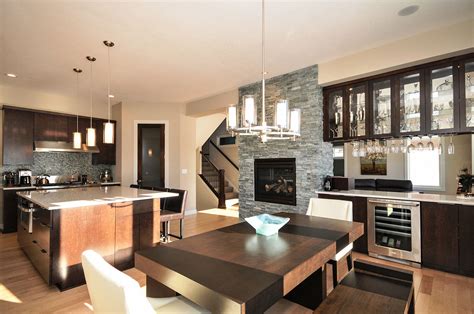
    Transform Your Living Space: Explore the Stunning Interiors of Split Level Homes By Tracy LawtonPosted on November 11, 2024

    Transform Your Living Space: Explore the Stunning Interiors of Split Level Homes

    A split-level home is a house with multiple levels that are connected by stairs. The main level typically includes the living room, dining room, and kitchen, while the upper level usually has the bedrooms and bathrooms. The lower level may be used for a family room, recreation room, or home office.

    Split-level homes were first built in the 1950s and quickly became popular due to their efficient use of space and affordability. They are often built on sloping lots, which allows for natural light and ventilation on all levels. Split-level homes can also be customized to meet the needs of the homeowner, making them a versatile housing option.

    Here are some of the benefits of split-level homes:

    Efficient use of space

    Affordability

    Natural light and ventilation

    Customization options

    If you are looking for a home that is both affordable and efficient, a split-level home may be the right choice for you.

    Split Level Home Interior

    Split level homes feature multiple levels connected by stairs, offering distinct advantages and design considerations. Here are six key aspects to explore:

    Space Optimization: Split levels maximize space utilization, accommodating various room functions on different levels.

    Natural Lighting: The staggered levels allow for ample natural light to penetrate the home, creating bright and airy living spaces.

    Functional Zones: The separation of levels enables the creation of designated zones for different activities, such as living, sleeping, and recreation.

    Architectural Interest: The varying heights and angles add visual interest to the interior, creating a dynamic and engaging space.

    Customization Options: Split level homes offer flexibility in design, allowing homeowners to tailor the layout to their specific needs and preferences.

    Affordability: Compared to single-level homes, split levels often provide more living space at a more affordable cost.

    These key aspects highlight the unique advantages of split level home interiors. They combine space efficiency with natural light, functional zoning, and architectural interest. The customizable nature of these homes allows for tailored living experiences, while their affordability makes them accessible to a wider range of homeowners.

    Space Optimization

    In split level home interiors, space optimization is a key advantage. The unique layout allows for efficient use of space, accommodating various room functions on different levels. This thoughtful design approach offers several benefits:

    Vertical Separation: Split levels separate living spaces vertically, creating distinct zones for different activities. For example, the main level can house the living room, dining room, and kitchen, while the upper level accommodates bedrooms and bathrooms. This separation reduces noise transfer and provides privacy.

    Flexible Room Configuration: The staggered levels provide flexibility in room configuration. Rooms can be easily adapted to serve multiple purposes, such as a guest room that doubles as a home office or a family room that incorporates a play area.

    Efficient Storage Solutions: Split level homes often feature built-in storage solutions, such as under-stair closets and attic spaces. These hidden storage areas maximize space utilization and keep clutter at bay.

    Compact Footprint: Compared to single-level homes, split level homes often have a smaller footprint. This compact design allows for more efficient use of land, making them suitable for smaller lots or urban areas.

    Overall, the space optimization achieved in split level home interiors enhances functionality, privacy, and overall living comfort. The efficient use of vertical space and flexible room configurations cater to the diverse needs of modern families.

    Natural Lighting

    In split level home interiors, natural lighting plays a significant role in enhancing the overall ambiance and well-being of occupants. The staggered levels of a split level home allow for ample natural light to penetrate the home, creating bright and airy living spaces. This natural lighting offers several benefits:

    Enhanced Mood and Energy Levels: Natural light has a positive impact on mood and energy levels. It helps regulate the body’s circadian rhythm, which is linked to sleep-wake cycles and overall well-being.

    Reduced Energy Consumption: The abundance of natural light reduces the need for artificial lighting, leading to lower energy consumption and cost savings.

    Improved Visual Comfort: Natural light provides excellent visual comfort, reducing eye strain and fatigue. It creates a more comfortable and inviting environment for reading, working, or simply relaxing.

    Architectural Interest: The interplay of natural light and the varying levels of a split level home creates visual interest and adds depth to the interior space.

    Read More:  Find Your Heavenly Oasis with Bespoke Home Interior Angels
    Incorporating natural lighting into split level home interiors is crucial for creating healthy, comfortable, and visually appealing living spaces. By maximizing the use of natural light, homeowners can enjoy the benefits of a bright and airy home while reducing their environmental impact.

    Functional Zones

    In split level home interiors, the separation of levels plays a crucial role in creating designated zones for different activities. This functional zoning offers several advantages:

    Privacy and Quiet: Split level homes allow for better privacy and noise reduction between different zones. For example, the bedrooms and bathrooms can be located on a separate level from the living room and kitchen, minimizing noise disturbance during sleep or relaxation.

    Tailored Ambiance: Each zone can be designed to create a specific ambiance. The living room can be designed for entertainment and socialization, while the bedrooms can be designed for comfort and relaxation.

    Optimized Space Utilization: Separating different activities into designated zones allows for more efficient use of space. For instance, a loft area can be used as a home office or a play area for children, maximizing the functionality of the home.

    Flexibility and Adaptability: Split level homes offer flexibility in adapting to changing needs. As families grow or lifestyles change, the different zones can be reconfigured to accommodate new functions.

    The creation of functional zones in split level home interiors enhances the overall livability and comfort of the home. By separating different activities into designated spaces, homeowners can create a tailored living environment that meets their specific needs and preferences.

    Architectural Interest

    In split level home interiors, architectural interest is a key element that enhances the overall aesthetic appeal and livability of the space. The varying heights and angles created by the different levels add visual interest and dynamism, breaking away from the monotony of traditional single-level homes.

    The interplay of different levels allows for unique architectural features, such as vaulted ceilings, exposed beams, and loft areas. These features create a sense of spaciousness and grandeur, making the home feel more inviting and comfortable. Additionally, the varying heights and angles provide opportunities for creative lighting solutions, which can further enhance the visual impact of the interior.

    Beyond aesthetics, architectural interest in split level home interiors also serves practical purposes. The different levels can be used to create designated zones for different activities, such as living, dining, and sleeping. This separation of spaces helps to improve privacy and noise reduction, creating a more comfortable and functional living environment.

    Overall, the architectural interest inherent in split level home interiors is a key factor that contributes to their popularity and desirability. By incorporating varying heights and angles, homeowners can create dynamic and engaging spaces that are both visually appealing and functionally efficient.

    Customization Options

    Within the realm of split level home interiors, customization options play a crucial role in shaping the space to suit the unique needs and preferences of homeowners. The flexibility inherent in split level designs empowers homeowners to create tailored layouts that reflect their lifestyle and aspirations.

    Adaptable Spaces: Split level homes offer the advantage of adaptable spaces that can be reconfigured to accommodate changing needs. For example, a room initially designed as a formal dining room can be transformed into a cozy family room as the family grows and lifestyle evolves.

    Tailored Room Sizes and Configurations: Homeowners have the freedom to customize the size and configuration of rooms to meet their specific requirements. This flexibility allows for the creation of spacious master suites, expansive living areas, or dedicated home offices.

    Personalized Storage Solutions: Split level homes provide ample opportunities for incorporating personalized storage solutions. Built-in shelves, closets, and cabinetry can be designed to maximize storage capacity and maintain a clutter-free environment.

    Unique Architectural Features: Customization options extend to unique architectural features that add character and visual interest to the interior. Homeowners can incorporate vaulted ceilings, exposed beams, or loft areas to create a distinctive and inviting ambiance.

    The customization options available in split level home interiors empower homeowners to create living spaces that not only meet their functional needs but also reflect their personal style and aspirations. By tailoring the layout and incorporating unique design elements, homeowners can transform their split level homes into true reflections of their individuality.
    Read More:  Embrace Nostalgic Charm: Vintage Home Interior Ideas for Timeless Elegance

    Affordability

    Split level home interiors offer a unique combination of affordability and spaciousness. Compared to single-level homes, split levels typically provide more living space at a lower cost per square foot.

    Efficient Use of Space: Split level homes utilize vertical space effectively, maximizing the amount of living space without increasing the home’s footprint. This efficient design allows for more rooms and larger living areas while keeping costs down.

    Reduced Construction Costs: The compact design of split level homes, with its smaller roof area and foundation requirements, often results in lower construction costs compared to single-level homes of similar size.

    Affordability for First-Time Homebuyers: Split level homes offer a more affordable option for first-time homebuyers who may have limited budgets. They provide a comfortable and spacious living environment without breaking the bank.

    Long-Term Value: While split level homes may be more affordable initially, they also tend to retain their value well over time. Their unique design and versatility make them desirable for a wide range of buyers.

    The affordability of split level home interiors, combined with their spacious and functional design, makes them an attractive option for homeowners seeking value and comfort. They offer a cost-effective solution for families and individuals who desire more living space without sacrificing affordability.

    Frequently Asked Questions About Split Level Home Interiors

    This section addresses common questions and misconceptions surrounding split level home interiors, providing informative answers to guide your decision-making.

    Question 1: Are split level homes outdated?

    Answer: While split level homes were popular in the mid-20th century, they have undergone significant modernizations and remain a relevant and desirable housing option. Contemporary split level homes incorporate updated designs, energy-efficient features, and modern amenities to meet the needs of today’s homeowners.

    Question 2: Are split level homes difficult to maintain?

    Answer: Split level homes may require slightly more maintenance than single-level homes due to their multiple levels and stairs. Regular cleaning and upkeep of different levels, as well as maintenance of stairs and railings, are essential to ensure safety and preserve the home’s condition.

    Question 3: Are split level homes energy efficient?

    Answer: Modern split level homes are designed with energy efficiency in mind. They often incorporate insulation, energy-efficient appliances, and proper ventilation to minimize energy consumption. Some split level homes may also feature passive solar design elements to harness natural light and reduce heating and cooling costs.

    Question 4: Are split level homes suitable for families?

    Answer: Split level homes can be an excellent choice for families. They offer ample space for growing children, with designated areas for sleeping, living, and recreation. The separation of levels provides privacy and reduces noise transfer, creating a comfortable and functional living environment for all family members.

    Question 5: Are split level homes a good investment?

    Answer: Split level homes generally hold their value well in the real estate market. Their unique design, spaciousness, and adaptability make them desirable for a wide range of buyers. Additionally, the affordability of split level homes compared to single-level homes can make them a smart investment for homeowners seeking value and long-term appreciation.

    Question 6: How do I maximize space in a split level home?

    Answer: To maximize space in a split level home, consider using vertical space effectively with built-in shelves, lofts, and mezzanines. Utilize natural light to make the home feel more spacious and reduce the need for artificial lighting. Keep furniture and dcor to a minimum to avoid cluttering the space. Additionally, consider incorporating multi-purpose furniture and storage solutions to optimize functionality and save space.

    These frequently asked questions provide valuable insights into the advantages, considerations, and maintenance of split level home interiors. By addressing common concerns and misconceptions, we aim to empower homeowners with the knowledge to make informed decisions about this unique and versatile housing option.

    Transition to the next article section: Exploring the Benefits of Split Level Home Interiors

    Tips for Enhancing Split Level Home Interiors

    Split level home interiors offer unique design opportunities and functional advantages. By implementing these practical tips, homeowners can optimize space, enhance natural light, and create a comfortable and stylish living environment.
    Read More:  Best Interior Plantation Shutters from Home Depot: Style and Comfort
    Tip 1: Maximize Vertical SpaceUtilize the varying heights of split level homes by incorporating built-in shelves, lofts, and mezzanines. These vertical storage solutions increase storage capacity without sacrificing floor space, keeping the home organized and clutter-free.Tip 2: Harness Natural LightThe staggered levels of split level homes allow for ample natural light to penetrate the interior. Make the most of this by using skylights, large windows, and light-colored paint to brighten up the space. Natural light reduces the need for artificial lighting, creating a more inviting and energy-efficient home.Tip 3: Create Designated ZonesThe separation of levels in split level homes provides an opportunity to create designated zones for different activities. For example, the upper level can be reserved for bedrooms and bathrooms, while the lower level can house the living room, kitchen, and family room. This separation enhances privacy and reduces noise transfer, making the home more comfortable for all occupants.Tip 4: Embrace Architectural InterestThe varying heights and angles in split level homes add architectural interest and visual appeal. Highlight these features by using different ceiling treatments, such as vaulted ceilings or exposed beams. Incorporating unique lighting fixtures can further accentuate the architectural details, creating a dynamic and engaging space.Tip 5: Utilize Multi-Purpose FurnitureTo maximize space and functionality, opt for multi-purpose furniture. Ottomans with built-in storage, tables with extendable leaves, and sofa beds are excellent choices for split level homes. These versatile pieces serve multiple functions, reducing clutter and optimizing the use of available space.Tip 6: Keep it Clean and Clutter-FreeRegular cleaning and decluttering are essential for maintaining a comfortable and inviting split level home. The separation of levels can make it easy for clutter to accumulate in less-used areas. By staying organized and keeping surfaces clear, homeowners can ensure that their split level home remains a clean and welcoming space.Key Takeaways:

    Vertical space utilization maximizes storage and organization.

    Natural light enhances ambiance and energy efficiency.

    Designated zones improve privacy and comfort.

    Architectural interest adds visual appeal and character.

    Multi-purpose furniture optimizes space and functionality.

    Regular cleaning and decluttering maintain a clean and inviting home.

    By implementing these tips, homeowners can transform their split level homes into stylish, functional, and comfortable living spaces that meet their unique needs and preferences.

    Conclusion

    Split level home interiors offer a unique blend of functionality, space optimization, and architectural interest. Their versatility and affordability make them an attractive option for homeowners seeking comfortable and stylish living spaces.

    By maximizing vertical space, harnessing natural light, creating designated zones, and embracing architectural interest, homeowners can enhance the beauty and functionality of their split level homes. Implementing the tips outlined in this article will enable homeowners to create living environments that meet their specific needs and preferences.

    As the popularity of split level homes continues to grow, we can expect to see further innovations and design trends that cater to the evolving needs of homeowners. The split level home interior remains a testament to the enduring appeal of functional and visually engaging living spaces.

    Youtube Video:

    Share this:Related posts:Transform Your Home with Brilliant Interior Home Lighting SolutionsUnique Home Interior Gifts to Elevate Your Living SpacesThe Definitive Guide to Creating a Rustic Home Interior Haven

    You May Like:
    Modern Split-Level Home Interior Design: Ideas and Inspiration
    Discover the Allure of Split-Level Homes: Interior Designs That Maximize Space and Style
    Inspire Your Home Decor: A Guide to Color Schemes for Stunning Interiors
    Stunning Home Interior Paint Ideas to Transform Your Living Space
    The Ultimate Guide to Stunning Home Interiors: Elevate Your Living Spaces
    The Ultimate Guide to Living Room Home Interior Design – Transform Your Space Today
    Stunning Modular Home Interiors: Elevate Your Living Space
    Transform Your Mobile Home: Inspiring Interior Ideas for a Cozy Haven
    The Ultimate Guide to Modern Home Interiors: Transform Your Living Space
    Luxurious Home Interiors: Transform Your Living Space into an Oasis of Opulence

    Posted in home interiorTagged home, interior, level, split

    Post navigation
    Previous post Stunning Home Interior Framed Pictures: Elevate Your Living SpaceNext post Home Depot Interior Double Doors: A Homeowner’s Guide to Enhancing Home Interiors

  • Ultimate Guide to Stunning Home Interior Design: Elevate Your Home’s Style

    Ultimate Guide to Stunning Home Interior Design: Elevate Your Home’s Style By Tracy LawtonPosted on November 9, 2024

    Ultimate Guide to Stunning Home Interior Design: Elevate Your Home's Style

    Home interior design is the art and science of enhancing the interior of a home to create a more aesthetically pleasing and functional space. It involves the selection of furniture, fabrics, lighting, and other decorative elements to create a cohesive and inviting atmosphere. Home interior design can be used to improve the comfort, functionality, and overall aesthetic appeal of a home.

    There are many benefits to hiring an interior designer. A professional interior designer can help you to create a space that is both beautiful and functional. They can also help you to save time and money by providing expert advice on furniture selection, space planning, and decorating.

    If you are considering hiring an interior designer, it is important to do your research and find a qualified professional. There are many different types of interior designers, so it is important to find one who specializes in the type of design that you are interested in. You should also ask for references from previous clients and look at their portfolio to get an idea of their work.

    Home Interior Design

    Home interior design encompasses various essential aspects that contribute to the creation of a visually appealing, functional, and comfortable living space. These key aspects include:

    Space Planning: Optimizing the use of available space to enhance functionality and flow.

    Furniture Selection: Choosing pieces that complement the space, enhance comfort, and reflect personal style.

    Color Scheme: Selecting a color palette that evokes desired moods, creates visual interest, and unifies the space.

    Lighting Design: Incorporating natural and artificial lighting to create ambiance, highlight features, and improve functionality.

    Textile Choices: Selecting fabrics and textiles that add texture, warmth, and style to the space.

    Accessories and Decor: Adding personal touches through artwork, plants, and decorative items to create a unique and inviting atmosphere.

    Sustainability: Incorporating eco-friendly materials, energy-efficient appliances, and sustainable practices to create a home that is both stylish and environmentally conscious.

    These aspects are interconnected and influence each other to create a cohesive and well-designed interior. For instance, the furniture selection should complement the space planning to ensure optimal functionality and flow. Similarly, the color scheme can influence the choice of textiles and accessories, creating a harmonious and visually appealing environment. By carefully considering these key aspects, homeowners can create a home that is not only beautiful but also functional, comfortable, and reflective of their personal style.

    Space Planning

    Space planning is a crucial aspect of home interior design as it lays the foundation for a functional and aesthetically pleasing living space. It involves optimizing the use of available space to create a layout that enhances functionality, flow, and overall livability.

    Effective space planning considers various factors such as furniture placement, traffic patterns, natural light, and storage needs. By carefully arranging furniture and other elements, designers can create a space that is both practical and inviting. For instance, in a small living room, a well-planned layout can make the space feel more spacious and comfortable, while in a large room, it can create distinct zones for different activities.

    Proper space planning also involves maximizing natural light and minimizing obstructions to create a sense of openness and flow. This can be achieved by placing furniture away from windows and doorways, using sheer curtains to filter light, and incorporating mirrors to reflect light and make the space feel larger. Additionally, considering traffic patterns and ensuring there is ample space for movement can prevent congestion and improve the overall functionality of the home.

    Overall, space planning is a fundamental aspect of home interior design that contributes significantly to the comfort, functionality, and aesthetic appeal of a living space. By carefully optimizing the use of available space, designers can create homes that are both beautiful and practical, meeting the unique needs and preferences of homeowners.

    Furniture Selection

    Furniture selection is an integral component of home interior design, playing a pivotal role in shaping the overall aesthetic, functionality, and comfort of a living space. The choice of furniture pieces can either complement and enhance the design scheme or create a disjointed and uncomfortable environment. Therefore, careful consideration must be given to the selection of furniture that aligns with the specific requirements and preferences of homeowners.

    Furniture selection should begin with an assessment of the available space and its intended use. This involves measuring the dimensions of the room, identifying focal points, and determining the primary activities that will take place within the space. Once the space is properly analyzed, furniture pieces can be selected to fit the proportions of the room and create a harmonious flow. For instance, in a small living room, choosing compact and multi-functional furniture can maximize space utilization without compromising comfort and style.

    Comfort is another crucial factor to consider when selecting furniture. Furniture pieces should provide adequate support and relaxation, contributing to the overall well-being of occupants. Ergonomic chairs, plush sofas, and adjustable beds are examples of furniture designed to enhance comfort and promote good posture. Additionally, the choice of upholstery materials, such as leather, fabric, or velvet, can significantly impact the comfort level and durability of furniture.

    Furniture selection also offers a unique opportunity to express personal style and create a space that reflects the homeowner’s individuality. Whether it’s a statement armchair in a bold color, a vintage sideboard with intricate carvings, or a cozy reading nook with plush cushions, furniture choices can convey personal taste and create a space that feels truly lived-in.

    In conclusion, furniture selection is a multifaceted aspect of home interior design that encompasses space planning, comfort considerations, and personal style. By carefully selecting furniture pieces that complement the space, enhance comfort, and reflect personal preferences, homeowners can create a living space that is both aesthetically pleasing and functionally sound.
    Read More:  Irreplaceable Discontinued Home Interior Visuals

    Color Scheme

    Color plays a significant role in home interior design, as it can influence the mood, atmosphere, and overall aesthetic appeal of a space. A well-chosen color scheme can evoke desired emotions, create visual interest, and unify the different elements of a room.

    When selecting a color scheme, there are several factors to consider, including the size of the room, the amount of natural light, and the intended use of the space. For example, lighter colors can make a small room feel more spacious, while darker colors can create a more intimate and cozy atmosphere. Natural light can also affect the appearance of colors, so it is important to consider how the colors will look in both daylight and artificial light.

    Color can also be used to create visual interest and draw attention to certain features of a room. For example, a brightly colored accent wall can create a focal point, while contrasting colors can be used to define different areas of a room. Additionally, color can be used to create a sense of unity and cohesion throughout a space. By using a limited number of colors and repeating them in different ways, designers can create a harmonious and well-balanced interior.

    Understanding the connection between color scheme and home interior design is essential for creating spaces that are both aesthetically pleasing and functional. By carefully selecting a color palette that evokes desired moods, creates visual interest, and unifies the space, designers can create homes that are both beautiful and comfortable.

    Lighting Design

    Lighting design is an integral part of home interior design, as it has the power to transform the atmosphere, highlight architectural features, and enhance the functionality of a space. By incorporating both natural and artificial light sources, designers can create well-balanced and visually appealing interiors.

    Creating Ambiance
    Lighting can be used to create different moods and atmospheres in a space. For example, warm, ambient lighting can create a cozy and inviting atmosphere, while cooler, more focused lighting can promote concentration and productivity.

    Highlighting Architectural Features
    Lighting can be used to highlight architectural features and draw attention to specific areas of a room. For example, accent lighting can be used to illuminate a fireplace mantel or a piece of artwork, while backlighting can be used to create a dramatic effect behind a headboard or a mirror.

    Improving Functionality
    Lighting can also be used to improve the functionality of a space. For example, task lighting can be used to provide adequate lighting for reading, cooking, or working, while ambient lighting can be used to create a more general level of illumination throughout a room.

    Natural and Artificial Light
    Both natural and artificial light sources can be used to create effective lighting design. Natural light is the most desirable, as it provides a full spectrum of light that is beneficial for both our physical and mental health. However, artificial light is often necessary to supplement natural light, especially in windowless rooms or during the evening hours.

    By understanding the principles of lighting design, homeowners and interior designers can create well-lit spaces that are both beautiful and functional. Lighting can be used to transform the atmosphere of a room, highlight architectural features, and improve the overall functionality of a space.

    Textile Choices

    In the realm of home interior design, textile choices play a pivotal role in shaping the overall aesthetic, comfort, and ambiance of a space. Fabrics and textiles add texture, warmth, and style, transforming a house into a home that reflects the personality and preferences of its occupants.

    Creating Texture and Visual Interest

    Textiles introduce texture and visual interest into a space, adding depth and dimension to the design scheme. Different fabrics, such as velvet, linen, silk, and wool, possess unique textures that can create a tactile experience and add visual intrigue. Patterns, weaves, and embroidery further enhance the visual appeal, allowing homeowners to express their creativity and style.

    Providing Warmth and Comfort

    Textiles have the inherent ability to provide warmth and comfort to a space. Soft and cozy fabrics, such as fleece, flannel, and faux fur, invite relaxation and create a sense of comfort and well-being. These textiles are ideal for areas where warmth and coziness are desired, such as bedrooms, living rooms, and reading nooks.

    Adding Style and Personality

    Textiles offer a myriad of design possibilities, allowing homeowners to infuse their personal style into their home decor. From bold patterns to subtle textures, fabrics can be used to create a wide range of looks, from traditional to modern and everything in between. By selecting textiles that complement the existing furniture, artwork, and accessories, homeowners can create a cohesive and visually appealing space.

    Enhancing Functionality

    In addition to their aesthetic qualities, textiles also play a functional role in home interior design. Curtains and drapes can control the amount of light entering a room, providing privacy and insulation. Upholstery fabrics protect furniture from wear and tear, extending its lifespan and maintaining its beauty. Rugs define different areas within a room and provide comfort underfoot, while throws and blankets add an extra layer of warmth and texture.

    Textile choices are an integral part of home interior design, contributing significantly to the overall ambiance, comfort, and style of a space. By carefully selecting fabrics and textiles that complement the design scheme and reflect their personal preferences, homeowners can create a home that is both beautiful and inviting.
    Read More:  Enhance Your Home Interior: Captivating Eagle Picture for a Majestic Ambiance

    Accessories and Decor

    In the realm of home interior design, accessories and decor play a crucial role in transforming a house into a home, adding personality, warmth, and a touch of the unexpected. These elements elevate the space beyond mere functionality, creating an environment that reflects the tastes, interests, and aspirations of its occupants.

    Accessories and decor encompass a wide range of items, from artwork and plants to decorative objects and textiles. Each piece contributes to the overall ambiance of the space, adding visual interest, texture, and a sense of lived-in comfort. Artwork, for instance, can serve as a focal point, drawing the eye and sparking conversations. Plants bring a touch of nature indoors, purifying the air and adding a sense of tranquility. Decorative objects, such as sculptures, vases, and candles, provide opportunities for personal expression and can add a touch of whimsy or sophistication to the decor.

    The practical significance of accessories and decor in home interior design cannot be overstated. These elements allow homeowners to customize their space, making it a true reflection of their personality and style. By carefully selecting and arranging accessories and decor, homeowners can create a space that is both visually appealing and inviting, a place where they can relax, recharge, and entertain guests.

    Furthermore, accessories and decor can play a vital role in enhancing the functionality of a space. Rugs, for example, can define different areas within a room and provide warmth and comfort underfoot. Throws and blankets add an extra layer of coziness and can be used to accentuate furniture or create a focal point. Curtains and drapes can control the amount of light entering a room, providing privacy and insulation. By considering both the aesthetic and practical aspects of accessories and decor, homeowners can create a space that is both stylish and functional.

    Sustainability

    Sustainability has become an increasingly important aspect of home interior design as people become more aware of the environmental impact of their choices. Incorporating eco-friendly materials, energy-efficient appliances, and sustainable practices into home design can not only reduce the environmental footprint of a home but also create a healthier and more comfortable living space.

    There are many ways to incorporate sustainability into home interior design. One important aspect is to choose eco-friendly materials. This includes using renewable and recycled materials, such as bamboo, cork, and reclaimed wood. These materials are not only sustainable but can also add a unique and stylish touch to a home.

    Another important aspect of sustainable home interior design is to choose energy-efficient appliances. This includes appliances that are Energy Star certified, which means they meet certain energy-efficiency standards. Energy-efficient appliances can help to reduce energy consumption and lower utility bills.

    In addition to using eco-friendly materials and energy-efficient appliances, there are many other sustainable practices that can be incorporated into home interior design. These include:

    Using natural light to reduce the need for artificial lighting

    Installing solar panels to generate renewable energy

    Recycling and composting to reduce waste

    Using water-saving fixtures and appliances

    By incorporating sustainability into home interior design, homeowners can create a space that is both stylish and environmentally conscious. This can not only reduce the environmental impact of a home but also create a healthier and more comfortable living space.

    Frequently Asked Questions about Home Interior Design

    This section addresses some of the most frequently asked questions about home interior design, providing concise and informative answers to common concerns and misconceptions. By understanding the answers to these questions, homeowners and aspiring designers can make more informed decisions about their interior design projects.

    Question 1: What are the most important factors to consider when designing a home interior?

    When designing a home interior, it is important to consider several key factors, including the function of the space, the desired aesthetic, the available budget, and the personal style of the occupants. By carefully considering all of these factors, homeowners can create a space that is both beautiful and functional.

    Question 2: What are some common mistakes to avoid when designing a home interior?

    Some common mistakes to avoid when designing a home interior include: not planning the layout properly, choosing the wrong furniture, overcrowding the space, neglecting the lighting, and ignoring the personal style of the occupants. By avoiding these mistakes, homeowners can create a space that is both stylish and inviting.

    Question 3: What are the latest trends in home interior design?

    The latest trends in home interior design include: the use of natural materials, the incorporation of sustainable practices, the embrace of bold colors and patterns, and the increasing popularity of smart home technology. By staying up-to-date on the latest trends, homeowners can create a space that is both stylish and modern.

    Question 4: How can I incorporate my personal style into my home interior design?

    To incorporate your personal style into your home interior design, start by identifying the elements that you are drawn to. This may include certain colors, patterns, textures, or furniture styles. Once you have a good understanding of your personal style, you can begin to incorporate these elements into your home decor. Don’t be afraid to experiment and mix and match different styles to create a space that is uniquely yours.

    Question 5: How can I make my home interior design more sustainable?

    There are many ways to make your home interior design more sustainable. Some simple tips include: using energy-efficient appliances, choosing eco-friendly materials, and recycling and composting. By making these small changes, you can reduce your environmental impact and create a healthier home.
    Read More:  Innovative Interior Home Remodeling Solutions Transforming Your Living Spaces

    Question 6: How can I get started with home interior design?

    If you are interested in getting started with home interior design, there are several things you can do. You can read books and magazines about the topic, take online courses, or hire an interior designer to help you. By taking the time to learn about home interior design, you can create a space that is both beautiful and functional.

    These are just a few of the most frequently asked questions about home interior design. By understanding the answers to these questions, homeowners and aspiring designers can make more informed decisions about their interior design projects.

    Key Takeaways:

    When designing a home interior, it is important to consider the function of the space, the desired aesthetic, the available budget, and the personal style of the occupants. By avoiding common mistakes, staying up-to-date on the latest trends, and incorporating your personal style, you can create a space that is both beautiful and functional. Additionally, by making sustainable choices, you can reduce your environmental impact and create a healthier home.

    Transition to the next article section:

    Now that you have a better understanding of the basics of home interior design, you may be wondering how to get started. In the next section, we will provide some helpful tips for beginners, including how to choose a style, plan a layout, and select furniture.

    Home Interior Design Tips

    Creating a stylish and functional home interior requires careful planning and attention to detail. Here are some essential tips to help you get started:

    Tip 1: Define Your Style

    Before you start shopping for furniture and decor, take some time to define your personal style. Consider your lifestyle, the architecture of your home, and your favorite colors and patterns. This will help you narrow down your choices and create a cohesive look.

    Tip 2: Plan Your Layout

    The layout of your furniture should be both functional and aesthetically pleasing. Consider the flow of traffic in the room and the placement of focal points. Create a floor plan to experiment with different arrangements before you start moving furniture.

    Tip 3: Choose the Right Furniture

    Furniture should be both comfortable and stylish. Consider the size and scale of the room when selecting furniture. Choose pieces that are proportionate to the space and avoid overcrowding.

    Tip 4: Accessorize Wisely

    Accessories can add personality and style to your home. Choose pieces that complement your furniture and decor. Don’t be afraid to mix and match different styles to create a unique look.

    Tip 5: Don’t Forget the Lighting

    Lighting can transform the look and feel of a room. Use a combination of natural and artificial light to create a well-lit space. Consider using dimmers to adjust the brightness of the light.

    Tip 6: Add Personal Touches

    Your home should reflect your personality. Add personal touches, such as family photos, artwork, and souvenirs, to make your space unique and inviting.

    Tip 7: Don’t Be Afraid to Experiment

    Home interior design is an ongoing process. Don’t be afraid to experiment with different styles and arrangements until you find a look that you love. Remember, it’s your home, so make it a reflection of you.

    Key Takeaways:

    By following these tips, you can create a home interior that is both stylish and functional. Remember to define your style, plan your layout, choose the right furniture, accessorize wisely, and don’t forget the lighting. Most importantly, add personal touches to make your space unique and inviting.

    Transition to the article’s conclusion:

    Creating a beautiful and functional home interior takes time and effort, but it’s well worth it. By following these tips, you can create a space that you love and that reflects your personal style.

    Conclusion

    Home interior design is an art and science that involves the creation of beautiful and functional living spaces. By carefully considering the elements of space planning, furniture selection, color scheme, lighting design, textile choices, accessories and decor, and sustainability, homeowners can create spaces that reflect their personal style and enhance their quality of life.

    Home interior design is not merely about aesthetics, but also about creating environments that are comfortable, healthy, and inspiring. A well-designed home can boost mood, improve productivity, and foster relationships. It can also be a reflection of one’s values and aspirations.

    As the world becomes increasingly fast-paced and demanding, the need for well-designed homes is greater than ever. Home interior design can help to create sanctuaries where we can relax, recharge, and connect with loved ones.

    Youtube Video:

    Share this:Related posts:Transform Your Home with Brilliant Interior Home Lighting SolutionsUnique Home Interior Gifts to Elevate Your Living SpacesThe Definitive Guide to Creating a Rustic Home Interior Haven

    You May Like:
    Enhance Your Home with Style: The Premier Destination for Home Interior Design
    Illuminate Your Home’s Interior: The Ultimate Guide to Lighting Design
    Find the Best Home Interior Designer: Elevate Your Home’s Style
    The Ultimate Guide to Stunning Home Interiors: Elevate Your Living Spaces
    Unveil Modern Home Interiors: A Guide to Contemporary Design
    The Ultimate Guide to Home Interior Decor Ideas for Creating a Stylish and Inviting Space
    Inspiring Homes: Ultimate Interior Design Ideas for Every Space
    Glamorous Interiors: Illuminate Your Home with Exquisite Lighting
    The Ultimate Guide to Living Room Home Interior Design – Transform Your Space Today
    Transform Your Home with Our Expert Interior Design and Home Decorating Services

    Posted in home interiorTagged design, home, interior

    Post navigation
    Previous post Discover the Enchanting Beauty of Spanish-Style Home InteriorsNext post Enhance Your Interior: Pole Barn Homes re-imagined

  • Unique Home Interior Gifts to Elevate Your Living Spaces

    Unique Home Interior Gifts to Elevate Your Living Spaces By Tracy LawtonPosted on November 13, 2024

    Unique Home Interior Gifts to Elevate Your Living Spaces

    Home interior gifts are items given to enhance the aesthetics or functionality of a living space. They can range from decorative objects to practical items like furniture and lighting.

    Home interior gifts are a thoughtful way to show someone you care about their home and style. They can also be a great way to add a personal touch to your own space. When choosing a home interior gift, it is important to consider the recipient’s taste and the style of their home. You should also consider the occasion and your budget.

    There are many different types of home interior gifts available, so you are sure to find something that fits your needs. Some popular home interior gifts include:

    Decorative objects like vases, sculptures, and paintings

    Practical items like furniture, lighting, and rugs

    Textiles like curtains, blankets, and pillows

    Gift certificates to home interior stores

    No matter what your budget or style, there is a home interior gift that is perfect for you. So next time you are looking for a gift for someone special, consider giving them a home interior gift.

    Home Interior Gifts

    Home interior gifts hold the power to transform living spaces into havens of comfort and expressions of personal style. These gifts transcend mere objects; they are reflections of our taste, aspirations, and the stories we create within our homes.

    Thoughtful Gestures: Home interior gifts embody thoughtful gestures, conveying care and appreciation for loved ones and their cherished spaces.

    Aesthetic Enhancements: They elevate the visual appeal of homes, adding touches of beauty and sophistication through decorative accents and stylish furnishings.

    Personalized Touches: These gifts allow individuals to express their unique personalities, creating spaces that are true reflections of their character and passions.

    Functional Additions: Home interior gifts extend beyond aesthetics, offering practical solutions that enhance comfort, organization, and daily routines.

    Memorable keepsakes: They become cherished keepsakes, holding sentimental value and evoking fond memories associated with special occasions and milestones.

    Investment in Well-being: By creating comfortable and inspiring living environments, home interior gifts contribute to overall well-being and quality of life.

    In essence, home interior gifts are not just material possessions; they are investments in the spaces we inhabit, the people we share them with, and the stories we create within them. They have the power to nurture our sense of belonging, inspire creativity, and make our houses truly feel like homes.

    Thoughtful Gestures

    Home interior gifts hold a special significance in conveying thoughtful gestures. They are carefully chosen to reflect the recipient’s tastes, preferences, and the unique character of their living space. By selecting a gift that resonates with the recipient’s personality and style, givers demonstrate their care, attention to detail, and appreciation for the recipient’s home.

    Personalization: Home interior gifts can be personalized to make them even more meaningful. Whether it’s a monogrammed throw blanket, a custom-framed photo, or a piece of art that reflects the recipient’s hobbies, personalized gifts show that the giver has put extra thought and effort into their selection.

    Symbolic Value: Home interior gifts can also carry symbolic value. For example, a gift of a plant can represent growth and new beginnings, while a gift of a candle can represent warmth and comfort. When choosing a home interior gift, consider the symbolism behind the item and how it might resonate with the recipient.

    Evocation of Memories: Home interior gifts can also evoke fond memories. For example, a gift of a scented candle can remind the recipient of a special vacation, while a gift of a throw blanket can bring back memories of cozy nights spent at home. When choosing a home interior gift, think about the memories that the item might evoke and how it might bring joy to the recipient.

    Reflection of the Giver’s Thoughtfulness: Home interior gifts are a reflection of the giver’s thoughtfulness and consideration. When you take the time to choose a gift that is both beautiful and meaningful, you are showing the recipient that you care about them and their home.

    In conclusion, home interior gifts are more than just material objects; they are thoughtful gestures that convey care, appreciation, and a deep understanding of the recipient’s style and personality. By choosing a gift that is both beautiful and meaningful, you can create a lasting impression and show the recipient that you truly care.

    Aesthetic Enhancements

    Home interior gifts are not just practical items; they are also powerful tools for elevating the visual appeal of homes. By carefully selecting decorative accents and stylish furnishings, homeowners can transform their living spaces into works of art that reflect their personal style and taste.

    Color and Texture: Home interior gifts can be used to add pops of color and texture to a room. A brightly colored throw blanket or a textured rug can instantly transform the look and feel of a space.

    Pattern and Prints: Home interior gifts can also be used to add pattern and prints to a room. A patterned wallpaper or a printed fabric can create a focal point or add visual interest to a wall.

    Lighting: Home interior gifts can also be used to improve the lighting in a room. A well-placed lamp can add warmth and ambiance to a space, while a mirror can reflect light and make a room feel larger.

    Greenery: Home interior gifts can also be used to add greenery to a room. Plants can purify the air, add life to a space, and create a sense of peace and tranquility.

    Read More:  Uncover the Enigmatic Beauty of Gothic Home Interiors: A Timeless Embrace of Darkness and Elegance
    By incorporating these elements into their home decor, homeowners can create spaces that are both beautiful and inviting. Home interior gifts are a great way to add personality to a home and make it a reflection of the people who live there.

    Personalized Touches

    Personalized touches are an essential component of home interior gifts, as they allow individuals to create spaces that are true reflections of their unique personalities and passions. When a home is filled with items that have been carefully chosen to reflect the homeowner’s style and interests, it becomes a space that is both inviting and inspiring.

    There are many different ways to add personalized touches to a home. One popular way is through the use of decorative accents. These can include items such as throw pillows, blankets, artwork, and vases. When choosing decorative accents, it is important to select items that reflect the homeowner’s personal style. For example, a person who loves nature might choose to decorate their home with plants and nature-inspired artwork. A person who loves to travel might choose to decorate their home with souvenirs from their travels.

    Another way to add personalized touches to a home is through the use of furniture. Furniture can be used to create a specific mood or atmosphere in a room. For example, a cozy armchair can create a relaxing and inviting space, while a sleek and modern sofa can create a more formal and sophisticated space. When choosing furniture, it is important to select items that are both comfortable and stylish.

    Personalized touches can also be added to a home through the use of textiles. Textiles can include items such as curtains, rugs, and bedding. When choosing textiles, it is important to select items that complement the overall dcor of the room. For example, a brightly colored rug can add a pop of color to a neutral room, while a patterned curtain can add visual interest to a plain wall.

    By adding personalized touches to their homes, individuals can create spaces that are both beautiful and meaningful. Home interior gifts are a great way to add personality to a home and make it a true reflection of the people who live there.

    Functional Additions

    Home interior gifts are not just about aesthetics; they can also serve practical purposes that enhance comfort, organization, and daily routines. Functional home interior gifts can make life easier, more efficient, and more enjoyable.

    There are many different types of functional home interior gifts available, including:

    Smart home devices that can automate tasks such as turning on lights, adjusting the thermostat, and locking the doors.

    Space-saving furniture that can help to maximize space in small homes.

    Organizational tools such as baskets, bins, and shelves that can help to keep clutter under control.

    Kitchen gadgets that can make cooking easier and more efficient.

    Bathroom accessories that can add comfort and style to the bathroom.

    When choosing functional home interior gifts, it is important to consider the recipient’s needs and lifestyle. For example, a busy professional might appreciate a smart home device that can help them to save time and energy. A parent with young children might appreciate space-saving furniture that can help to keep their home organized. And a cooking enthusiast might appreciate a new kitchen gadget that can help them to create delicious meals.

    Functional home interior gifts are a great way to show someone you care about their comfort and well-being. They can also make life easier and more enjoyable for the recipient.

    Memorable keepsakes

    Home interior gifts often transcend their primary function and become cherished keepsakes that hold deep sentimental value. They serve as tangible reminders of special occasions, milestones, and the people we love.

    Nostalgia and Emotive Connection: Home interior gifts have the power to evoke powerful emotions and transport us back to cherished moments. A particular piece of furniture, a decorative object, or a piece of artwork can trigger fond memories and create a sense of nostalgia.

    Storytelling and Personal History: Home interior gifts can become part of our personal history and tell the story of our lives. They can serve as conversation starters, prompting us to share anecdotes and with family and friends.

    Emotional Attachment: Over time, home interior gifts can develop a strong emotional attachment. They become associated with the people who gave them to us, the events they commemorate, and the memories they evoke. This emotional connection makes them irreplaceable and adds to their sentimental value.

    Legacy and Inheritance: Some home interior gifts are passed down through generations, becoming treasured family heirlooms. They carry the legacy of our ancestors and connect us to our family history.

    Read More:  Stunning Mountain Home Interior Design for Cozy Ambiance
    In conclusion, home interior gifts are not just objects; they are vessels of memories and emotions. They have the power to evoke nostalgia, tell our personal stories, create emotional attachments, and become cherished keepsakes that are passed down through generations.

    Investment in Well-being

    Home interior gifts are not just about aesthetics; they can also have a significant impact on our well-being and quality of life. By creating comfortable and inspiring living environments, home interior gifts can help to reduce stress, improve mood, and boost productivity.

    There is a growing body of research that supports the link between home environment and well-being. For example, a study by the University of Michigan found that people who live in homes with more natural light have higher levels of vitamin D and are less likely to experience depression. Another study by the University of California, Berkeley found that people who live in homes with more plants are more likely to report feeling relaxed and happy.

    Home interior gifts can help to create comfortable and inspiring living environments in a number of ways. For example, a cozy armchair can provide a place to relax and unwind after a long day. A well-placed lamp can create a warm and inviting atmosphere. And a beautiful piece of artwork can inspire creativity and reflection.

    When choosing home interior gifts, it is important to consider the recipient’s needs and preferences. For example, someone who is stressed might appreciate a gift of a calming diffuser or a weighted blanket. Someone who is creative might appreciate a gift of a new art book or a set of drawing supplies. And someone who loves to entertain might appreciate a gift of a new serving platter or a set of wine glasses.

    Home interior gifts can be a thoughtful and meaningful way to show someone you care about their well-being. They can also be a great way to improve the quality of your own life.

    Conclusion: Home interior gifts are more than just objects; they are investments in our well-being and quality of life. By creating comfortable and inspiring living environments, home interior gifts can help to reduce stress, improve mood, and boost productivity.

    Frequently Asked Questions about Home Interior Gifts

    This section addresses commonly asked questions and misconceptions regarding home interior gifts, providing concise and informative answers to guide your understanding.

    Question 1: What are the key considerations when selecting a home interior gift?

    When choosing a home interior gift, it’s essential to consider the recipient’s personal style, the aesthetics of their home, the functionality of the gift, and your budget.

    Question 2: How can home interior gifts enhance well-being?

    Home interior gifts can create comfortable and inspiring living environments, which research has shown to reduce stress, improve mood, and boost productivity.

    Question 3: What types of home interior gifts are suitable for different occasions?

    For special occasions like birthdays or anniversaries, consider personalized gifts, such as engraved picture frames or custom artwork. For housewarmings, practical gifts like smart home devices or space-saving furniture are appropriate.

    Question 4: How can home interior gifts reflect personal style?

    By selecting gifts that align with the recipient’s taste, you can help them express their individuality and create a home that truly reflects their personality.

    Question 5: What is the significance of sentimental value in home interior gifts?

    Home interior gifts often hold sentimental value, serving as reminders of special moments, loved ones, or cherished memories.

    Question 6: How can home interior gifts contribute to a sense of belonging?

    By surrounding oneself with items that bring joy and comfort, home interior gifts foster a sense of belonging and create a space where individuals feel connected and at home.

    In essence, home interior gifts are not merely decorative elements; they are thoughtful gestures that enhance well-being, reflect personal style, hold sentimental value, and contribute to a sense of belonging.

    Transition to the next article section: Exploring the diverse range of home interior gifts available, from decorative accents to functional pieces, to find the perfect gift for any occasion and style.

    Tips for Selecting Home Interior Gifts

    Choosing the perfect home interior gift can be a daunting task. With so many options available, it can be difficult to know where to start. Here are a few tips to help you find the perfect gift for any occasion:
    Read More:  Decorate Your Home with Our Stunning Paintings: Unique Home Interiors and Gifts

    Tip 1: Consider the recipient’s personal style. What are their favorite colors? What kind of furniture do they have? What are their hobbies and interests? Once you have a good understanding of their style, you can start to narrow down your choices.

    Tip 2: Think about the function of the gift. Do you want to give them something that is decorative or functional? Or something that is both? If you’re not sure, consider their lifestyle and needs. For example, if they love to cook, a new kitchen gadget would be a great choice. If they’re always cold, a cozy blanket would be a thoughtful gift.

    Tip 3: Set a budget. It’s important to set a budget before you start shopping. This will help you avoid overspending and make it easier to narrow down your choices.

    Tip 4: Shop around. Once you have a budget and a few ideas in mind, it’s time to start shopping. Don’t be afraid to compare prices from different stores. You may be able to find the same gift for a lower price at another store.

    Tip 5: Consider the occasion. The occasion will also help you narrow down your choices. For example, if you’re buying a gift for a housewarming, you might want to choose something that is practical and useful. If you’re buying a gift for a birthday, you might want to choose something that is more personal and meaningful.

    Tip 6: Don’t be afraid to ask for help. If you’re still not sure what to get, don’t be afraid to ask for help from a friend, family member, or store associate. They may be able to give you some great ideas.

    Tip 7: Make it personal. A personal touch can make any gift more special. If you’re giving a gift to someone you know well, consider adding a handwritten note or wrapping it in a special way.

    Tip 8: Give the gift with love. The most important thing is to give the gift with love. No matter what you choose, the recipient will appreciate the thought and effort you put into it.

    Summary: By following these tips, you can find the perfect home interior gift for any occasion. Just remember to consider the recipient’s personal style, the function of the gift, and your budget. With a little bit of thought and effort, you can find a gift that they will love and cherish for years to come.

    Transition to the article’s conclusion: Now that you know how to choose the perfect home interior gift, it’s time to start shopping! With so many great options available, you’re sure to find the perfect gift for any occasion.

    Home Interior Gifts

    Throughout this exploration, we have delved into the multifaceted world of home interior gifts, uncovering their significance in shaping living spaces, reflecting personal style, fostering well-being, and creating cherished memories.

    Beyond their aesthetic appeal, home interior gifts serve as thoughtful gestures that convey appreciation and care. They empower individuals to personalize their environments, making their houses true reflections of their unique tastes and aspirations. Moreover, these gifts contribute to overall well-being by creating comfortable and inspiring living spaces that reduce stress, improve mood, and enhance daily routines.

    As we conclude, it is essential to recognize the lasting impact home interior gifts can have. They are not mere objects but investments in the spaces we inhabit, the people we share them with, and the stories we create within them. By choosing gifts that resonate with the recipient’s style, needs, and aspirations, we not only enhance their living environments but also strengthen our bonds and create lasting memories.

    Let us embrace the art of gifting home interior presents, recognizing their power to transform spaces, uplift spirits, and create homes that are truly havens of comfort, inspiration, and belonging.

    Youtube Video:

    Share this:Related posts:Transform Your Home with Brilliant Interior Home Lighting SolutionsThe Definitive Guide to Creating a Rustic Home Interior HavenFind Your Perfect Home with Our Expert Interior Decorators

    You May Like:
    Discover Home Interiors and Gifts Inc.: Your Haven for Chic Decor and Thoughtful Gifts
    Top-Rated Home Interiors & Gifts for Your Dream Home
    Stunning Home Interiors and Exquisite Gifts for Your Extraordinary Home
    Pictures of Home Interiors and Gifts: Inspiration and Ideas
    Transform Your Abode: Home Interiors and Gifts for a Stylish Sanctuary
    Shop Vintage Style Discontinued Home Interiors & Gifts Online
    Ultimate Home Interior and Gifts: Elevate Your Living Space
    Decorate Your Home with Our Stunning Paintings: Unique Home Interiors and Gifts
    Upgrade Your Home’s Interior with Stylish and Functional Decor
    The Art of Home Interiors Decoration: Transforming Your Living Spaces

    Posted in home interiorTagged gifts, home, interior

    Post navigation
    Previous post The Definitive Guide to Creating a Rustic Home Interior HavenNext post Transform Your Home with Brilliant Interior Home Lighting Solutions