• Affordable and Stylish: Low Cost Pole Barn Home Interiors

    Affordable and Stylish: Low Cost Pole Barn Home Interiors By Tracy LawtonPosted on November 12, 2024

    Affordable and Stylish: Low Cost Pole Barn Home Interiors

    Low-cost pole barn homes are a type of construction that uses simple framing and inexpensive materials like metal or wood siding to create a sturdy and affordable living space. These homes often have an open floor plan with few interior walls, which makes them easy to customize and decorate according to your needs. Pole barn homes are also incredibly energy-efficient, as they are typically well-insulated and have large windows that allow for plenty of natural light. If you are looking for a low-cost, eco-friendly, and versatile home, a pole barn home may be the perfect option for you.

    In addition to their affordability, pole barn homes also offer several other benefits. They are relatively easy to build, even for those with limited construction experience. Pole barn homes are also very durable and can withstand harsh weather conditions, making them a great option for those living in areas prone to storms or extreme temperatures. And because pole barn homes are so customizable, you can create a home that perfectly fits your needs and style.

    If you are considering building a low-cost pole barn home, there are a few things you should keep in mind. First, you will need to find a suitable piece of land. Pole barn homes can be built on both rural and urban properties, but you will need to make sure that the land is large enough to accommodate your home and any outbuildings you may want. You will also need to obtain the necessary building permits from your local government. Once you have the land and permits, you can begin the construction process. There are several different ways to build a pole barn home, so you will need to do some research to find the method that is right for you. With careful planning and execution, you can build a beautiful, affordable, and energy-efficient pole barn home that will meet your needs for many years to come.

    Low Cost Pole Barn Homes Interior

    Low cost pole barn homes are becoming increasingly popular due to their affordability and versatility. They offer a number of advantages over traditional stick-built homes, including lower construction costs, faster build times, and greater flexibility in design. However, there are also some unique considerations to keep in mind when designing and building a low cost pole barn home interior.

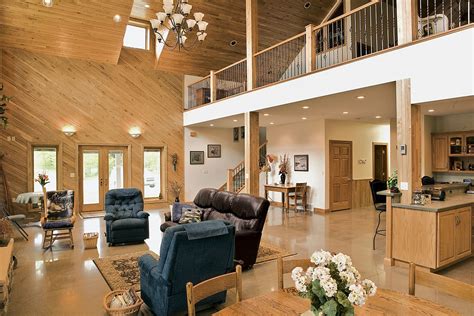
    Open Floor Plan: Pole barn homes typically have an open floor plan with few interior walls, which can make them feel more spacious and airy. This can be a great advantage for small homes or for those who want to create a more flexible living space.

    Natural Light: Pole barn homes often have large windows and skylights, which can help to bring in natural light and reduce the need for artificial lighting. This can be a great way to save on energy costs and create a more inviting and comfortable living space.

    Exposed Beams: The exposed beams and trusses in a pole barn home can add a rustic charm to the interior. They can also be used to create unique design features, such as lofts or storage areas.

    Insulation: Pole barn homes can be insulated to make them more energy-efficient. This is especially important in climates with extreme temperatures. There are a variety of insulation options available, so it is important to choose one that is appropriate for your climate and budget.

    Finishes: The finishes in a pole barn home can be simple or elaborate, depending on your budget and preferences. Some popular options include drywall, wood paneling, and paint. You can also use reclaimed materials or creative finishes to add a personal touch to your home.

    Durability: Pole barn homes are built to be durable and can withstand harsh weather conditions. This makes them a great option for those living in areas prone to storms or extreme temperatures.

    When designing and building a low cost pole barn home interior, it is important to keep in mind the unique characteristics of this type of construction. By carefully considering the factors discussed above, you can create a beautiful and functional home that meets your needs and budget.

    Open Floor Plan

    An open floor plan is a key component of a low-cost pole barn home interior. This type of floor plan allows for a more spacious and airy feel, which can be a great advantage for small homes. Open floor plans also make it easier to create a more flexible living space, as you are not limited by the placement of interior walls. This can be ideal for those who want to be able to change the layout of their home to suit their changing needs.

    In addition to the benefits mentioned above, open floor plans can also help to reduce the cost of construction. By eliminating the need for interior walls, you can save on materials and labor costs. This can make a significant difference in the overall cost of your home.
    Read More:  Stunning Pole Barn Home Interiors for Ultimate Comfort

    If you are considering building a low-cost pole barn home, an open floor plan is a great option to consider. This type of floor plan can help you to create a more spacious, airy, and flexible living space, while also saving you money on construction costs.

    Natural Light

    In a low cost pole barn home, natural light is a key element to consider. Large windows and skylights can help to bring in an abundance of natural light, which can reduce the need for artificial lighting. This can be a great way to save on energy costs, especially in areas with long winter months. Natural light can also help to improve your mood and well-being, and create a more inviting and comfortable living space.

    Energy Savings: One of the biggest benefits of natural light is that it can help you to save on energy costs. By reducing the need for artificial lighting, you can lower your monthly energy bills. In some cases, you may even be able to eliminate the need for artificial lighting altogether, especially in rooms that receive a lot of natural light.

    Improved Mood and Well-being: Natural light has also been shown to improve mood and well-being. Studies have shown that exposure to natural light can help to reduce stress, improve sleep, and boost cognitive function. It can also help to create a more positive and inviting living space.

    Increased Property Value: Homes with an abundance of natural light are often more desirable to buyers, which can increase your property value. Natural light is a valuable asset, and it can make your home more appealing to potential buyers.

    When designing a low cost pole barn home interior, it is important to consider how you can maximize natural light. Large windows and skylights are a great way to bring in natural light, and they can also help to create a more spacious and airy feel. You can also use reflective surfaces, such as mirrors and light-colored paint, to help to bounce natural light around the room.

    Exposed Beams

    Exposed beams are a key component of the low cost pole barn homes interior design. They add a rustic charm to the interior and can also be used to create unique design features, such as lofts or storage areas. This can be a great way to add character and personality to your home, while also saving money on construction costs.

    In addition to the aesthetic benefits, exposed beams can also be used to create functional spaces. For example, you can use beams to create a loft area for sleeping or storage, or you can use them to create a unique storage solution for your belongings. This can be a great way to maximize space in your home and create a more organized and efficient living environment.

    If you are considering building a low cost pole barn home, exposed beams are a great option to consider. They can add character and charm to your home, while also saving you money on construction costs. With a little creativity, you can use exposed beams to create a truly unique and functional living space.

    Insulation

    Insulation is an important consideration for any home, but it is especially important for low cost pole barn homes. Pole barns are typically built with metal or wood siding, which can be good conductors of heat. This means that a pole barn home can lose heat quickly in the winter and gain heat quickly in the summer. Insulation can help to reduce heat loss and gain, making your home more comfortable and energy-efficient.

    Energy Efficiency: Insulation can help to reduce your energy bills by keeping your home warm in the winter and cool in the summer. This is especially important in climates with extreme temperatures, where heating and cooling costs can be high.

    Comfort: Insulation can also help to make your home more comfortable. In the winter, insulation will help to keep your home warm and cozy. In the summer, insulation will help to keep your home cool and comfortable.

    Soundproofing: Insulation can also help to reduce noise levels in your home. This can be beneficial if you live in a noisy area or if you have neighbors who are noisy.

    Fire Safety: Insulation can also help to improve fire safety in your home. Insulation can help to slow the spread of fire and can also help to protect your home from damage in the event of a fire.

    When choosing insulation for your low cost pole barn home, it is important to consider the climate in which you live and your budget. There are a variety of insulation options available, so it is important to do your research to find the best option for your needs.

    Finishes

    The finishes in a low cost pole barn home interior play a significant role in determining the overall look and feel of the space. While some homeowners may opt for simple and budget-friendly finishes, others may choose to invest in more elaborate finishes to create a more luxurious and personalized living environment. Regardless of your budget or preferences, there are a variety of finish options available to suit any taste and style.
    Read More:  The Ultimate Guide to the Cost of Painting Your Home Interior

    One of the most popular finish options for low cost pole barn homes is drywall. Drywall is a versatile and affordable material that can be used to create a variety of looks, from smooth and modern to textured and rustic. Drywall is also relatively easy to install and repair, making it a good choice for DIYers.

    Wood paneling is another popular finish option for pole barn homes. Wood paneling can add warmth and character to a space, and it is also a durable and easy-to-maintain material. Wood paneling is available in a variety of species and styles, so you can find the perfect option to match your taste and budget.

    Paint is a versatile and affordable finish option that can be used to create any look you desire. Paint is available in a wide range of colors and finishes, so you can find the perfect shade to match your dcor. Paint is also relatively easy to apply, making it a good choice for DIYers.

    In addition to the traditional finish options listed above, you can also use reclaimed materials or creative finishes to add a personal touch to your low cost pole barn home interior. Reclaimed materials, such as barn wood or old windows, can add a unique and rustic charm to your home. Creative finishes, such as stenciling or faux painting, can also be used to create a truly unique and personalized living space.

    No matter what finish options you choose, it is important to keep your budget and preferences in mind. By carefully considering your options, you can create a beautiful and functional low cost pole barn home interior that you will love for years to come.

    Durability

    The durability of pole barn homes is a key factor to consider when designing and building a low cost pole barn home interior. Pole barn homes are built to withstand harsh weather conditions, which makes them a great option for those living in areas prone to storms or extreme temperatures. This durability can also translate to lower maintenance costs over time, as the home will be less likely to need repairs or replacements due to weather damage.

    Structural Integrity: Pole barn homes are built with a strong and durable frame that can withstand high winds and heavy snow loads. This makes them a great option for those living in areas prone to storms or other extreme weather events.

    Weather Resistance: Pole barn homes are typically built with metal or wood siding, which is resistant to rot, decay, and insects. This makes them a great option for those living in areas with high humidity or heavy rainfall.

    Fire Resistance: Pole barn homes can be built with fire-resistant materials, which can help to protect the home from damage in the event of a fire. This makes them a great option for those living in areas prone to wildfires.

    Low Maintenance: Pole barn homes require less maintenance than traditional stick-built homes. This is because the exterior of the home is made of durable materials that are resistant to rot, decay, and insects. This can save you time and money in the long run.

    When designing and building a low cost pole barn home interior, it is important to consider the durability of the home. By choosing durable materials and construction methods, you can create a home that will withstand the elements and last for many years to come.

    Low Cost Pole Barn Homes Interior FAQs

    This section addresses frequently asked questions (FAQs) regarding low-cost pole barn homes and their interiors. By providing concise and informative responses, we aim to clarify common concerns and misconceptions associated with this type of construction.

    Question 1: Are pole barn homes durable enough for year-round living?

    Yes, pole barn homes are designed to withstand various weather conditions and can be adapted for year-round living. Their sturdy construction, typically featuring metal or wood siding, provides resilience against elements like strong winds and heavy snow loads.

    Question 2: How can I design a cost-effective interior for my pole barn home?

    To design a budget-friendly interior, consider using affordable materials like drywall, wood paneling, or paint. Explore reclaimed materials or creative finishes to add unique touches without breaking the bank. Open floor plans and ample natural lighting can also create a spacious and inviting atmosphere.

    Question 3: Are pole barn homes energy-efficient?

    Pole barn homes can be energy-efficient when properly insulated. Adding insulation to walls and ceilings helps regulate indoor temperatures, reducing energy consumption for heating and cooling. Energy-efficient windows and doors further enhance insulation efforts.

    Question 4: Can I customize the interior of my pole barn home?

    Yes, the interiors of pole barn homes are highly customizable. The open floor plan allows for flexible room configurations and personalized layouts. You can create lofts, incorporate exposed beams for a rustic touch, or design unique storage solutions that suit your specific needs and preferences.
    Read More:  Unlock Your Dream Home: Find Top-Notch Interior Designers Nearby

    Question 5: Are pole barn homes suitable for different climates?

    Pole barn homes can be adapted to various climates. By choosing appropriate insulation materials and construction techniques, they can be made comfortable for both cold and warm regions. Proper ventilation and moisture control measures are crucial to ensure a healthy and livable indoor environment.

    Question 6: How long does it take to build a pole barn home?

    The construction timeline for a pole barn home can vary depending on factors such as size, complexity, and local regulations. However, compared to traditional stick-built homes, pole barn homes generally have shorter construction times due to their simpler framing and pre-engineered components.

    We hope these FAQs have shed light on important aspects of low cost pole barn homes and their interiors. By carefully planning and executing your project, you can create a durable, affordable, and personalized living space that meets your needs and aspirations.

    Transition to the next article section: Exploring Finishes and Design Options for Low Cost Pole Barn Homes

    Tips for Low Cost Pole Barn Homes Interior

    Designing and building a low cost pole barn home interior requires careful planning and smart choices. Here are some tips to help you create a beautiful and functional living space without breaking the bank:

    Tip 1: Embrace Open Floor PlansOpen floor plans create a more spacious and airy feel, especially in smaller homes. They also allow for greater flexibility in furniture placement and room configuration.Tip 2: Maximize Natural LightingLarge windows and skylights bring in abundant natural light, reducing the need for artificial lighting and creating a more inviting and comfortable atmosphere.Tip 3: Utilize Exposed BeamsExposed beams add a rustic charm to the interior and can be used to create unique design features, such as lofts or storage areas.Tip 4: Choose Durable and Affordable FinishesDrywall, wood paneling, and paint are cost-effective and versatile finish options that can create a variety of looks. Consider reclaimed materials for a unique touch.Tip 5: Prioritize Energy EfficiencyProper insulation, energy-efficient windows and doors, and good ventilation can significantly reduce energy consumption and lower utility bills.Tip 6: Customize and PersonalizePole barn homes offer a high level of customization, allowing you to create a truly unique living space that reflects your style and needs.Tip 7: Leverage Vertical SpaceLofts and mezzanines can add extra living space or storage without increasing the footprint of the home.Tip 8: Consider Multi-Purpose SpacesDesignate areas that can serve multiple functions, such as a living room that can also be used as a dining space or a guest room.By following these tips, you can create a low cost pole barn home interior that is both stylish and functional, without sacrificing comfort or durability.

    Conclusion: With careful planning and smart choices, you can design and build a low cost pole barn home interior that meets your needs and budget. Embrace the unique characteristics of this type of construction to create a beautiful and livable space that you will enjoy for years to come.

    Conclusion

    Low cost pole barn homes offer a unique and affordable solution for those seeking a durable and customizable living space. By embracing open floor plans, maximizing natural lighting, utilizing exposed beams, choosing durable and affordable finishes, prioritizing energy efficiency, and leveraging vertical space, you can create a beautiful and functional interior that meets your needs and budget.

    The versatility of pole barn homes allows for endless possibilities in design and functionality. Whether you prefer a rustic charm or a modern aesthetic, a low cost pole barn home interior can be tailored to your specific tastes and requirements. By carefully planning and executing your project, you can create a living space that is both stylish and comfortable, without compromising on affordability or durability.

    Youtube Video:

    Share this:Related posts:Transform Your Home with Brilliant Interior Home Lighting SolutionsUnique Home Interior Gifts to Elevate Your Living SpacesThe Definitive Guide to Creating a Rustic Home Interior Haven

    You May Like:
    Inspiring Interiors: Barn-Style Homes with Rustic Charm
    Uncover the Rustic Charm: Inside the Expansive Interiors of Pole Barn Homes
    Stunning Pole Barn Home Interiors for Ultimate Comfort
    Pole Barn Homes Interior: A Guide to Designing Your Dream Space
    Enhance Your Interior: Pole Barn Homes re-imagined
    Home Interior: Low Cost Design Ideas to Transform Your Space
    Upgrade Your Mobile Home’s Interior with Stylish and Durable Doors
    Stunning Container Home Interiors: Designing Dream Spaces in 2023
    Stunning Modular Home Interiors: Elevate Your Living Space
    Experience the Transformative Power of Shed Homes: Elevate Your Interior Design

    Posted in home interiorTagged barn, cost, homes, pole

    Post navigation
    Previous post Home Depot Interior Double Doors: A Homeowner’s Guide to Enhancing Home InteriorsNext post Find Your Perfect Home with Our Expert Interior Decorators

  • Discover Funeral Home Interior Design: Creating Serene and Meaningful Spaces

    Discover Funeral Home Interior Design: Creating Serene and Meaningful Spaces By Tracy LawtonPosted on February 23, 2024

    Discover Funeral Home Interior Design: Creating Serene and Meaningful Spaces

    Funeral home interior design is the art and science of creating a space that is both respectful and comforting for families and friends who are grieving the loss of a loved one. It encompasses everything from the layout of the funeral home to the choice of furnishings and dcor.

    A well-designed funeral home interior can help to create a sense of peace and serenity for mourners. It can also help to facilitate the grieving process by providing a space where people can come together to share memories and support each other.

    There are many factors to consider when designing a funeral home interior. These include:

    The size and layout of the funeral home

    The type of services that are offered

    The needs of the families and friends who will be using the space

    Funeral home interior design is a complex and challenging field, but it is also a rewarding one. By creating a space that is both beautiful and functional, funeral home designers can help to make a difficult time a little bit easier for grieving families and friends.

    Funeral Home Interior Design

    Funeral home interior design is a complex and challenging field, but it is also a rewarding one. By creating a space that is both beautiful and functional, funeral home designers can help to make a difficult time a little bit easier for grieving families and friends.

    Comforting: Funeral homes should be designed to provide a comfortable and supportive environment for grieving families and friends.

    Respectful: The design of a funeral home should be respectful of the deceased and their family’s cultural and religious traditions.

    Functional: Funeral homes need to be functional spaces that can accommodate a variety of services, including visitations, funerals, and memorial services.

    Aesthetically pleasing: Funeral homes should be aesthetically pleasing spaces that create a sense of peace and serenity.

    Memorable: Funeral homes should be designed to create lasting memories for grieving families and friends.

    Affordable: Funeral homes need to be affordable for families of all income levels.

    These six key aspects of funeral home interior design are essential to creating a space that is both meaningful and supportive for grieving families and friends. By considering these aspects, funeral home designers can create spaces that help to make a difficult time a little bit easier.

    For example, a funeral home designer might choose to use soft colors and comfortable furnishings to create a warm and inviting space. They might also include special features, such as a meditation room or a library, to provide mourners with a place to find peace and comfort. By carefully considering the needs of grieving families and friends, funeral home designers can create spaces that are both beautiful and functional.

    Comforting: Funeral homes should be designed to provide a comfortable and supportive environment for grieving families and friends.

    In the context of funeral home interior design, comfort is paramount. Funeral homes should be designed to provide a welcoming and supportive environment for grieving families and friends. This can be achieved through a variety of design elements, such as:

    Comfortable furnishings: Funeral homes should be furnished with comfortable chairs, sofas, and other seating options. This will allow mourners to relax and feel at ease during visitations and services.

    Soft colors and lighting: The use of soft colors and lighting can create a calming and soothing atmosphere in a funeral home. This can help to reduce stress and anxiety for mourners.

    Natural elements: Incorporating natural elements, such as plants and flowers, into the design of a funeral home can help to create a more inviting and comforting space. Natural elements have been shown to have a calming effect on people.

    Private spaces: Funeral homes should provide private spaces where mourners can grieve in peace. This could include a meditation room, a library, or a family room.

    By incorporating these design elements, funeral homes can create a more comfortable and supportive environment for grieving families and friends.

    Respectful: The design of a funeral home should be respectful of the deceased and their family’s cultural and religious traditions.

    In the context of funeral home interior design, it is important to be respectful of the deceased and their family’s cultural and religious traditions. This means taking into account the family’s beliefs and customs when designing the funeral home interior. For example, if the family is of a particular religion, the funeral home designer may want to incorporate religious symbols or artwork into the design. Additionally, the designer should be sensitive to the family’s cultural traditions and make sure that the design of the funeral home is in keeping with those traditions.

    Being respectful of the deceased and their family’s cultural and religious traditions is an important part of funeral home interior design. By doing so, the funeral home designer can create a space that is both meaningful and supportive for the family and friends of the deceased.

    Here are some specific examples of how funeral home interior design can be respectful of the deceased and their family’s cultural and religious traditions:

    In a Christian funeral home, the designer may incorporate Christian symbols, such as the cross or the dove, into the design.

    In a Jewish funeral home, the designer may incorporate Jewish symbols, such as the Star of David or the menorah, into the design.

    In a Muslim funeral home, the designer may incorporate Muslim symbols, such as the crescent moon and star, into the design.

    Read More:  Find Your Perfect Home Depot Interior Door Handles
    By taking into account the family’s cultural and religious traditions, funeral home designers can create spaces that are both beautiful and meaningful.

    Functional: Funeral homes need to be functional spaces that can accommodate a variety of services, including visitations, funerals, and memorial services.

    Funeral home interior design plays a critical role in ensuring the functionality of funeral homes. By carefully considering the various services that will be held in the funeral home, interior designers can create spaces that are both efficient and respectful.

    Flexibility: Funeral homes need to be able to accommodate a variety of services, from small, intimate gatherings to large-scale funerals. Interior designers can create flexible spaces that can be easily reconfigured to meet the needs of each service.

    Accessibility: Funeral homes need to be accessible to all visitors, including those with disabilities. Interior designers can ensure that the funeral home is compliant with the Americans with Disabilities Act (ADA) and that all areas of the funeral home are easily accessible.

    Technology: Funeral homes need to be equipped with the latest technology to support the various services that are held there. Interior designers can incorporate technology into the design of the funeral home in a way that is both discreet and functional.

    Storage: Funeral homes need to have adequate storage space for supplies, equipment, and personal belongings. Interior designers can create storage solutions that are both efficient and out of the way.

    By considering these factors, funeral home interior designers can create functional spaces that meet the needs of the families and friends who use them.

    Aesthetically pleasing: Funeral homes should be aesthetically pleasing spaces that create a sense of peace and serenity.

    An aesthetically pleasing funeral home interior can help to create a more welcoming and comforting environment for grieving families and friends. When people are surrounded by beauty, they are more likely to feel at ease and relaxed. This can be especially important during a difficult time, such as the loss of a loved one.

    There are many ways to create an aesthetically pleasing funeral home interior. Some key elements include:

    Natural light: Natural light can help to create a more inviting and uplifting space. Funeral homes should try to incorporate as much natural light as possible into their design.

    Soft colors: Soft colors, such as blues, greens, and purples, can help to create a calming and soothing atmosphere. Funeral homes should avoid using harsh or bright colors, as these can be overwhelming for mourners.

    Comfortable furnishings: Funeral homes should be furnished with comfortable chairs, sofas, and other seating options. This will allow mourners to relax and feel at ease during visitations and services.

    Artwork: Artwork can add a touch of beauty and personality to a funeral home. Funeral homes should choose artwork that is appropriate for the space and that will not be offensive to mourners.

    By carefully considering the aesthetic appeal of their interior design, funeral homes can create spaces that are both beautiful and comforting for grieving families and friends.

    Here are some real-life examples of funeral homes that have successfully created aesthetically pleasing interiors:

    The Frank E. Campbell Funeral Chapel in New York City is known for its beautiful Art Deco interior. The chapel features a grand staircase, stained glass windows, and a vaulted ceiling.

    The Woodlawn Cemetery and Mausoleum in the Bronx, New York, is a beautiful example of Victorian Gothic architecture. The cemetery features a chapel with a vaulted ceiling, stained glass windows, and a marble floor.

    The Rose Hills Memorial Park and Mortuary in Whittier, California, is a modern funeral home with a beautiful contemporary design. The mortuary features a chapel with a glass wall that overlooks a reflecting pool.

    These are just a few examples of the many funeral homes that have created beautiful and comforting interior spaces for grieving families and friends. By carefully considering the aesthetic appeal of their interior design, funeral homes can create spaces that are both functional and meaningful.

    Memorable: Funeral homes should be designed to create lasting memories for grieving families and friends.

    A funeral home is a place where families and friends come to say goodbye to their loved ones. It is a place where memories are made and cherished. The design of a funeral home can play a significant role in creating a memorable experience for those who are grieving.

    There are many ways to design a funeral home to make it more memorable. One important element is to create a space that is both comfortable and inviting. This can be done by using soft colors, comfortable furnishings, and natural light. Another important element is to incorporate personal touches into the design. This could include displaying photos of the deceased or creating a special memorial space.

    By carefully considering the design of the funeral home, funeral directors can create a space that will help families and friends to create lasting memories of their loved ones.
    Read More:  Uncover Delightful Home Decor Ideas with Top Interior Design Magazines

    Here are some real-life examples of funeral homes that have created memorable experiences for grieving families and friends:

    The Frank E. Campbell Funeral Chapel in New York City is known for its beautiful Art Deco interior. The chapel features a grand staircase, stained glass windows, and a vaulted ceiling. This beautiful space has helped to create lasting memories for many families and friends.

    The Woodlawn Cemetery and Mausoleum in the Bronx, New York, is a beautiful example of Victorian Gothic architecture. The cemetery features a chapel with a vaulted ceiling, stained glass windows, and a marble floor. This historic space has helped to create lasting memories for many families and friends.

    The Rose Hills Memorial Park and Mortuary in Whittier, California, is a modern funeral home with a beautiful contemporary design. The mortuary features a chapel with a glass wall that overlooks a reflecting pool. This serene space has helped to create lasting memories for many families and friends.

    These are just a few examples of the many funeral homes that have created memorable experiences for grieving families and friends. By carefully considering the design of the funeral home, funeral directors can create a space that will help families and friends to create lasting memories of their loved ones.

    Affordable: Funeral homes need to be affordable for families of all income levels.

    The cost of a funeral can be a significant burden for families, especially during a time of grief. Funeral home interior design can play a role in making funeral services more affordable for families of all income levels.

    Use of less expensive materials: Funeral homes can use less expensive materials, such as laminate flooring instead of hardwood, to reduce the cost of construction and maintenance.

    Modular design: Funeral homes can use modular design to create flexible spaces that can be reconfigured for different types of services, reducing the need for additional construction.

    Energy-efficient design: Funeral homes can use energy-efficient design features, such as LED lighting and solar panels, to reduce operating costs.

    Partnerships with community organizations: Funeral homes can partner with community organizations to offer discounted services to low-income families.

    By implementing these strategies, funeral homes can make their services more affordable for families of all income levels, while still providing a respectful and comfortable environment for grieving families and friends.

    FAQs on Funeral Home Interior Design

    Funeral home interior design is a specialized field that requires careful consideration of the needs of grieving families and friends. Here are answers to some frequently asked questions about funeral home interior design:

    Question 1: What are the most important factors to consider when designing a funeral home interior?

    The most important factors to consider when designing a funeral home interior are comfort, functionality, and aesthetics. The funeral home should be a place where grieving families and friends can feel comfortable and supported, while also providing the necessary functionality for funeral services. The design should also be aesthetically pleasing, creating a space that is both respectful and comforting.

    Question 2: What are some specific design elements that can be used to create a comfortable funeral home interior?

    Some specific design elements that can be used to create a comfortable funeral home interior include:

    Soft colors and lighting

    Comfortable furnishings

    Natural elements

    Private spaces

    Question 3: How can funeral home interior design be used to respect the cultural and religious traditions of grieving families?

    Funeral home interior design can be used to respect the cultural and religious traditions of grieving families by incorporating specific symbols, artwork, and design elements that are meaningful to the family’s culture and religion. For example, a funeral home may incorporate Christian symbols, such as the cross or the dove, into the design for a Christian family.

    Question 4: What are some ways to make funeral home interior design more affordable?

    There are several ways to make funeral home interior design more affordable, including:

    Using less expensive materials

    Using modular design

    Using energy-efficient design features

    Partnering with community organizations

    Question 5: What are some trends in funeral home interior design?

    Some trends in funeral home interior design include:

    The use of natural light

    The use of sustainable materials

    The creation of flexible spaces

    The use of technology

    These are just a few of the most frequently asked questions about funeral home interior design. By carefully considering these factors, funeral home designers can create spaces that are both meaningful and supportive for grieving families and friends.

    Funeral home interior design is a complex and challenging field, but it is also a rewarding one. By creating spaces that are both beautiful and functional, funeral home designers can help to make a difficult time a little bit easier for grieving families and friends.

    Funeral Home Interior Design Tips

    Funeral home interior design plays a vital role in creating a space that is both respectful and comforting for grieving families and friends. Here are a few tips to consider when designing a funeral home interior:
    Read More:  The Ultimate Guide to Tiny Home Interiors: Maximizing Space and Style
    Tip 1: Use soft colors and lighting.
    Soft colors, such as blues, greens, and purples, can help to create a calming and soothing atmosphere. Avoid using harsh or bright colors, as these can be overwhelming for mourners. Use natural light whenever possible, and supplement with soft, warm artificial lighting. Tip 2: Choose comfortable furnishings.
    Funeral homes should be furnished with comfortable chairs, sofas, and other seating options. This will allow mourners to relax and feel at ease during visitations and services. Consider providing a variety of seating options, such as chairs with arms, sofas, and benches. Tip 3: Incorporate natural elements.
    Natural elements, such as plants and flowers, can help to create a more inviting and comforting space. Plants can help to purify the air and add a touch of life to the funeral home. Flowers can be used to create a welcoming atmosphere and to add a personal touch to the space. Tip 4: Create private spaces.
    Funeral homes should provide private spaces where mourners can grieve in peace. This could include a meditation room, a library, or a family room. These spaces should be designed to be comfortable and inviting, and they should provide a place for mourners to retreat from the hustle and bustle of the funeral home. Tip 5: Be respectful of cultural and religious traditions.
    When designing a funeral home interior, it is important to be respectful of the cultural and religious traditions of the families who will be using the space. This means taking into account the family’s beliefs and customs when making design decisions. For example, if the family is of a particular religion, the funeral home designer may want to incorporate religious symbols or artwork into the design. Tip 6: Use technology to enhance the experience.
    Technology can be used to enhance the funeral home experience in a variety of ways. For example, funeral homes can use technology to create virtual tours of the facility, to provide information about funeral services, and to help families create personalized memorial videos. Technology can also be used to create a more comfortable and supportive environment for mourners. For example, funeral homes can use technology to control the lighting and temperature in the funeral home, and to provide access to music and other resources that can help mourners to cope with their grief.

    By following these tips, funeral home designers can create spaces that are both meaningful and supportive for grieving families and friends.

    Funeral home interior design is a complex and challenging field, but it is also a rewarding one. By creating spaces that are both beautiful and functional, funeral home designers can help to make a difficult time a little bit easier for grieving families and friends.

    Funeral Home Interior Design

    Funeral home interior design is a specialized field that requires careful consideration of the needs of grieving families and friends. By creating spaces that are comfortable, functional, and aesthetically pleasing, funeral home designers can help to make a difficult time a little bit easier for those who are grieving.

    When designing a funeral home interior, it is important to keep in mind the following key points:

    Comfort: Funeral homes should be designed to provide a comfortable and supportive environment for grieving families and friends.

    Functionality: Funeral homes need to be functional spaces that can accommodate a variety of services, including visitations, funerals, and memorial services.

    Aesthetics: Funeral homes should be aesthetically pleasing spaces that create a sense of peace and serenity.

    Respect: The design of a funeral home should be respectful of the deceased and their family’s cultural and religious traditions.

    Affordability: Funeral homes need to be affordable for families of all income levels.

    By following these key principles, funeral home designers can create spaces that are both meaningful and supportive for grieving families and friends.

    Funeral home interior design is a complex and challenging field, but it is also a rewarding one. By creating spaces that are both beautiful and functional, funeral home designers can help to make a difficult time a little bit easier for grieving families and friends.

    Youtube Video:

    Share this:Related posts:Transform Your Home with Brilliant Interior Home Lighting SolutionsUnique Home Interior Gifts to Elevate Your Living SpacesThe Definitive Guide to Creating a Rustic Home Interior Haven

    You May Like:
    Find the Best Home Interior Designer: Elevate Your Home’s Style
    Next-Level Home Interiors: Discover the Top Interior Home Design Websites
    Enhance Your Home with Style: The Premier Destination for Home Interior Design
    Find the Best in Modern Design: Top-Rated Minimalist Home Interior Designers
    The Art of Home Interior Design: Creating Spaces that Inspire
    The Ultimate Guide to Scandinavian Home Interior Design: Creating a Cozy and Serene Space
    Find Your Heavenly Oasis with Bespoke Home Interior Angels
    The Ultimate Destination for Modern Home Interior Design Ideas
    The Epitome of Modern Home Design: Redefining Interior Spaces
    Revolutionary Home Interior Design Pictures That Will Inspire Your Renovation Dreams

    Posted in home interiorTagged design, funeral, home, interior

    Post navigation
    Previous post The Epitome of Modern Home Design: Redefining Interior SpacesNext post The Ultimate Guide to Home Interior Designing Ideas: Transform Your Space

  • Discover the Enchanting Beauty of Spanish-Style Home Interiors

    Discover the Enchanting Beauty of Spanish-Style Home Interiors By Tracy LawtonPosted on November 9, 2024

    Discover the Enchanting Beauty of Spanish-Style Home Interiors

    Spanish style home interiors are characterized by their warm and inviting atmosphere, with a focus on natural materials and earthy colors. They often feature arched doorways, exposed beam ceilings, and terracotta tile floors. Spanish style homes also typically have a central courtyard or patio, which provides a private outdoor space for entertaining or relaxing.

    The Spanish style home interior has a long and rich history, dating back to the Spanish colonial period in the Americas. This style of home was popular in the southwestern United States and Mexico, and it continues to be popular today. Spanish style homes are known for their durability and low maintenance, making them a good choice for families and those living in warm climates.

    There are many benefits to decorating your home in the Spanish style. Spanish style homes are warm and inviting, and they can help you create a space that is both stylish and comfortable. Spanish style homes are also relatively easy to maintain, and they can be adapted to fit any budget.

    spanish style home interior

    Spanish style home interiors are characterized by their warm and inviting atmosphere, with a focus on natural materials and earthy colors. They often feature arched doorways, exposed beam ceilings, and terracotta tile floors. Spanish style homes also typically have a central courtyard or patio, which provides a private outdoor space for entertaining or relaxing.

    Earthy colors: Spanish style homes often feature warm and earthy colors, such as terracotta, ochre, and beige. These colors create a warm and inviting atmosphere.

    Natural materials: Spanish style homes often incorporate natural materials, such as wood, stone, and tile. These materials add warmth and texture to the home.

    Arched doorways: Arched doorways are a common feature in Spanish style homes. They add a touch of elegance and sophistication to the home.

    Exposed beam ceilings: Exposed beam ceilings are another common feature in Spanish style homes. They add a rustic charm to the home.

    Terracotta tile floors: Terracotta tile floors are a popular choice for Spanish style homes. They are durable and easy to maintain, and they add a touch of warmth to the home.

    Central courtyard or patio: Spanish style homes often have a central courtyard or patio. This provides a private outdoor space for entertaining or relaxing.

    Wrought iron accents: Wrought iron accents are often used in Spanish style homes. They add a touch of elegance and sophistication to the home.

    These are just a few of the key aspects of Spanish style home interiors. By incorporating these elements into your home, you can create a warm and inviting space that is both stylish and comfortable.

    Earthy colors

    Earthy colors are an essential component of Spanish style home interiors. They create a warm and inviting atmosphere that is both stylish and comfortable. Spanish style homes often feature warm and earthy colors, such as terracotta, ochre, and beige. These colors are inspired by the natural landscape of Spain, and they help to create a sense of warmth and coziness.

    In addition to creating a warm and inviting atmosphere, earthy colors can also help to make a space feel more grounded and connected to nature. This is important in Spanish style homes, which often feature natural materials and elements. Earthy colors can also help to create a sense of continuity between the indoors and outdoors.

    Here are some examples of how earthy colors can be used in Spanish style home interiors:

    Terracotta tiles can be used to create a warm and inviting floor in a kitchen or entryway.

    Ochre walls can add a touch of warmth and sophistication to a living room or bedroom.

    Beige curtains can help to soften the look of a space and add a touch of elegance.

    By incorporating earthy colors into your home, you can create a warm and inviting space that is both stylish and comfortable. Earthy colors are a key component of Spanish style home interiors, and they can help you to create a home that is truly unique.

    Natural materials

    Natural materials are an essential component of Spanish style home interiors. They create a warm and inviting atmosphere that is both stylish and comfortable. Spanish style homes often incorporate natural materials, such as wood, stone, and tile. These materials are inspired by the natural landscape of Spain, and they help to create a sense of warmth and coziness.

    Wood: Wood is a versatile material that can be used in a variety of ways in Spanish style homes. It can be used for flooring, cabinetry, furniture, and even ceilings. Wood adds warmth and texture to a space, and it can help to create a sense of coziness.

    Stone: Stone is another popular material used in Spanish style homes. It can be used for flooring, countertops, and even walls. Stone adds a touch of elegance and sophistication to a space, and it can help to create a sense of permanence.

    Tile: Tile is a versatile material that can be used for a variety of purposes in Spanish style homes. It can be used for flooring, countertops, backsplashes, and even walls. Tile adds a touch of color and pattern to a space, and it can help to create a sense of continuity between the indoors and outdoors.

    Read More:  Find Your Perfect Thomas Kinkade Picture for Home Interior Decor
    By incorporating natural materials into your home, you can create a warm and inviting space that is both stylish and comfortable. Natural materials are a key component of Spanish style home interiors, and they can help you to create a home that is truly unique.

    Arched doorways

    Arched doorways are a key component of Spanish style home interiors. They add a touch of elegance and sophistication to the home, and they can also help to create a sense of spaciousness. Arched doorways are often used in entryways, living rooms, and dining rooms. They can also be used to create a more dramatic effect in hallways or other areas of the home.

    There are many different types of arched doorways. Some of the most common include:

    Round arches: Round arches are the most traditional type of arched doorway. They are characterized by their smooth, curved shape.

    Pointed arches: Pointed arches are another common type of arched doorway. They are characterized by their pointed shape, which gives them a more dramatic look.

    Tudor arches: Tudor arches are a type of pointed arch that is characterized by its four-centered shape. Tudor arches are often used in Spanish Colonial Revival homes.

    Arched doorways can be made from a variety of materials, including wood, stone, and brick. They can also be decorated with a variety of embellishments, such as moldings, carvings, and stained glass.

    Arched doorways are a beautiful and versatile addition to any Spanish style home. They can add a touch of elegance and sophistication to any room, and they can also help to create a sense of spaciousness.

    Exposed beam ceilings

    Exposed beam ceilings are a key component of Spanish style home interiors. They add a touch of rustic charm to the home, and they can also help to create a sense of warmth and coziness. Exposed beam ceilings are often used in living rooms, dining rooms, and kitchens. They can also be used in bedrooms and other areas of the home.

    Structural support: Exposed beam ceilings can provide structural support to the home. They can be used to support the roof and other parts of the home’s structure.

    Aesthetic appeal: Exposed beam ceilings can add a touch of rustic charm to the home. They can also help to create a sense of warmth and coziness.

    Versatility: Exposed beam ceilings can be used in a variety of different ways. They can be used in living rooms, dining rooms, kitchens, and bedrooms. They can also be used in commercial spaces, such as restaurants and bars.

    Durability: Exposed beam ceilings are durable and long-lasting. They can withstand the elements and can last for many years.

    Exposed beam ceilings are a beautiful and versatile addition to any Spanish style home. They can add a touch of rustic charm to any room, and they can also help to create a sense of warmth and coziness.

    Terracotta tile floors

    Terracotta tile floors are a key component of Spanish style home interiors. They are durable and easy to maintain, and they add a touch of warmth to the home. Terracotta tiles are made from natural clay, and they are fired at a high temperature to create a strong and durable surface. Terracotta tiles are also resistant to moisture and stains, making them a good choice for high-traffic areas such as kitchens and bathrooms.

    In addition to their durability and practicality, terracotta tiles also add a touch of warmth and charm to any space. The warm, earthy tones of terracotta tiles create a welcoming and inviting atmosphere. Terracotta tiles can also be used to create a variety of different looks, depending on the size, shape, and color of the tiles. For example, small, square terracotta tiles can be used to create a classic Spanish look, while larger, rectangular terracotta tiles can be used to create a more modern look.

    Terracotta tile floors are a beautiful and versatile addition to any Spanish style home. They are durable, easy to maintain, and they add a touch of warmth and charm to any space. If you are looking for a flooring option that is both stylish and practical, terracotta tile floors are a great choice.

    Central courtyard or patio

    A central courtyard or patio is a key component of Spanish style home interiors. It provides a private outdoor space for entertaining or relaxing, and it can also help to create a sense of community within the home. Courtyards and patios are often surrounded by walls or fencing, which provides privacy and protection from the elements. They may also feature fountains, gardens, and other amenities that make them a comfortable and inviting place to spend time.

    Outdoor living space: Courtyards and patios provide an extension of the living space outdoors, allowing for al fresco dining, entertaining, and relaxation. They can also be used for gardening, playing games, or simply enjoying the fresh air.

    Privacy: Courtyards and patios are often surrounded by walls or fencing, which provides privacy from neighbors and the street. This makes them a great place to relax and unwind without having to worry about being disturbed.

    Community: Courtyards and patios can also be a place for community gatherings. They can be used for hosting parties, barbecues, and other social events.

    Natural light and ventilation: Courtyards and patios can help to bring natural light and ventilation into the home. This can make the home feel more spacious and inviting, and it can also help to reduce energy costs.

    Read More:  Essential Tips to Enhance Your Cottage Home Interior with Style
    Central courtyards and patios are a beautiful and versatile addition to any Spanish style home. They provide a private outdoor space for entertaining or relaxing, and they can also help to create a sense of community within the home.

    Wrought iron accents

    Wrought iron accents are a key component of Spanish style home interiors. They add a touch of elegance and sophistication to the home, and they can also help to create a sense of warmth and coziness. Wrought iron accents can be used in a variety of ways in Spanish style homes, including:

    Furniture: Wrought iron furniture is a popular choice for Spanish style homes. It is durable and sturdy, and it can add a touch of elegance to any room. Wrought iron furniture can be used in a variety of settings, including living rooms, dining rooms, and bedrooms.

    Lighting: Wrought iron lighting is another popular choice for Spanish style homes. It can be used to create a variety of different looks, from rustic to elegant. Wrought iron lighting can be used in both indoor and outdoor settings.

    Accessories: Wrought iron accessories can be used to add a touch of Spanish flair to any home. They can be used to decorate walls, tables, and other surfaces. Wrought iron accessories can also be used to create a variety of different looks, from rustic to elegant.

    Wrought iron accents are a beautiful and versatile addition to any Spanish style home. They can be used to create a variety of different looks, from rustic to elegant. Wrought iron accents are also durable and long-lasting, making them a good investment for any homeowner.

    In addition to their aesthetic appeal, wrought iron accents also have a number of practical benefits. Wrought iron is a strong and durable material, making it ideal for use in furniture and other household items. Wrought iron is also resistant to rust and corrosion, making it a good choice for outdoor use. Wrought iron accents can also help to add value to a home, as they are seen as a sign of quality and craftsmanship.

    Overall, wrought iron accents are a valuable addition to any Spanish style home. They are beautiful, durable, and versatile, and they can help to add value to a home. If you are looking for a way to add a touch of Spanish flair to your home, wrought iron accents are a great option.

    FAQs on Spanish Style Home Interior

    Spanish style home interiors are characterized by their warm and inviting atmosphere, with a focus on natural materials and earthy colors. They often feature arched doorways, exposed beam ceilings, and terracotta tile floors. Spanish style homes also typically have a central courtyard or patio, which provides a private outdoor space for entertaining or relaxing. Here are some frequently asked questions about Spanish style home interiors:

    Question 1: What are the key elements of Spanish style home interiors?

    The key elements of Spanish style home interiors include:

    Earthy colors, such as terracotta, ochre, and beige

    Natural materials, such as wood, stone, and tile

    Arched doorways

    Exposed beam ceilings

    Terracotta tile floors

    Central courtyard or patio

    Wrought iron accents

    Question 2: What are the benefits of incorporating Spanish style elements into my home?

    Incorporating Spanish style elements into your home can provide several benefits, including:

    Creating a warm and inviting atmosphere

    Adding a touch of elegance and sophistication

    Making your home more comfortable and cozy

    Increasing the value of your home

    Question 3: How can I incorporate Spanish style elements into my home without going overboard?

    To incorporate Spanish style elements into your home without going overboard, you can:

    Start with a few key pieces, such as a terracotta tile floor or a wrought iron chandelier.

    Use Spanish style elements in moderation. Don’t try to turn your entire home into a Spanish villa.

    Mix and match Spanish style elements with other styles to create a unique look.

    Question 4: What are some common misconceptions about Spanish style home interiors?

    There are a few common misconceptions about Spanish style home interiors, including:

    That they are all dark and heavy.

    That they are only suitable for large homes.

    That they are too expensive to achieve.

    Question 5: How can I find inspiration for Spanish style home interiors?

    There are many ways to find inspiration for Spanish style home interiors, including:

    Looking at photos of Spanish style homes in magazines and online.

    Visiting Spanish style homes in your area.

    Talking to a professional interior designer.

    Question 6: What are some tips for decorating a Spanish style home on a budget?

    There are several ways to decorate a Spanish style home on a budget, including:
    Read More:  Enhance Your Home Interior: Majestic Lion Pictures for a Striking Ambiance

    Using affordable materials, such as ceramic tile instead of terracotta.

    Shopping at thrift stores and flea markets for unique pieces.

    DIYing some of your own Spanish style dcor.

    Spanish style home interiors are a beautiful and versatile way to add warmth and character to your home. By following these tips, you can create a Spanish style home that is both stylish and comfortable.

    Read more about Spanish style home interiors in the next section.

    Tips for Decorating a Spanish Style Home Interior

    Spanish style home interiors are characterized by their warm and inviting atmosphere, with a focus on natural materials and earthy colors. They often feature arched doorways, exposed beam ceilings, and terracotta tile floors. Spanish style homes also typically have a central courtyard or patio, which provides a private outdoor space for entertaining or relaxing. Here are some tips for decorating a Spanish style home interior:

    Tip 1: Use Earthy Colors

    Earthy colors, such as terracotta, ochre, and beige, are a key element of Spanish style home interiors. These colors create a warm and inviting atmosphere, and they can help to make a space feel more grounded and connected to nature.

    Tip 2: Incorporate Natural Materials

    Natural materials, such as wood, stone, and tile, are another important element of Spanish style home interiors. These materials add warmth and texture to a space, and they can help to create a sense of coziness.

    Tip 3: Use Arched Doorways

    Arched doorways are a common feature in Spanish style homes. They add a touch of elegance and sophistication to a space, and they can also help to create a sense of spaciousness.

    Tip 4: Expose Beam Ceilings

    Exposed beam ceilings are another common feature in Spanish style homes. They add a touch of rustic charm to a space, and they can also help to create a sense of warmth and coziness.

    Tip 5: Install Terracotta Tile Floors

    Terracotta tile floors are a popular choice for Spanish style homes. They are durable and easy to maintain, and they add a touch of warmth to a space.

    Tip 6: Create a Central Courtyard or Patio

    A central courtyard or patio is a key feature of Spanish style homes. It provides a private outdoor space for entertaining or relaxing, and it can also help to create a sense of community within the home.

    Tip 7: Use Wrought Iron Accents

    Wrought iron accents are a popular choice for Spanish style homes. They add a touch of elegance and sophistication to a space, and they can also help to create a sense of warmth and coziness.

    By following these tips, you can create a Spanish style home interior that is both stylish and comfortable. Spanish style home interiors are a beautiful and versatile way to add warmth and character to your home.

    Read more about Spanish style home interiors in the next section.

    Spanish Style Home Interior

    In this article, we have explored the key elements of Spanish style home interiors, from earthy colors and natural materials to arched doorways and exposed beam ceilings. We have also discussed the benefits of incorporating Spanish style elements into your home, such as creating a warm and inviting atmosphere, adding a touch of elegance and sophistication, and making your home more comfortable and cozy.

    Spanish style home interiors are a timeless and enduring style that can be adapted to fit any home. Whether you are looking to create a traditional Spanish villa or a more modern take on this classic style, there are many ways to incorporate Spanish style elements into your home. By following the tips in this article, you can create a Spanish style home interior that is both stylish and comfortable.

    As you explore Spanish style home interiors further, you will find that there is a wealth of inspiration to be found. From the vibrant colors and patterns of Andalusian tiles to the rustic charm of exposed stone walls, there are countless ways to create a Spanish style home that is both unique and welcoming. So embrace the warmth and beauty of Spanish style, and let your home become a reflection of your own unique personality.

    Youtube Video:

    Share this:Related posts:Transform Your Home with Brilliant Interior Home Lighting SolutionsUnique Home Interior Gifts to Elevate Your Living SpacesThe Definitive Guide to Creating a Rustic Home Interior Haven

    You May Like:
    The Ultimate Guide to Spanish-Style Home Interiors for the Perfect Home Oasis
    Stunning Spanish Home Interiors: A Symphony of Style and Charm
    Exquisite Spanish Style Home Interiors: A Journey to Mediterranean Charm
    Spanish Style Charm: Designing Interiors with Hispanic Flair
    Timeless Spanish Home Interior Design: A Guide to Creating Enchanting Spaces
    Mediterranean Style Charm: Interior Design Inspiration for Your Home
    Transform Your Home with Breathtaking Mediterranean Interior Design Ideas
    French Country Charm: Inspiring Interiors for Your Home
    Stunning Home Interiors Inspired by the Mediterranean Charm
    Creative French Home Interiors: A Guide to Embracing Elegance and Charm

    Posted in home interiorTagged home, interior, spanish, style

    Post navigation
    Previous post The Ultimate Guide to Thomas Kinkade Home Interior MasterpiecesNext post Ultimate Guide to Stunning Home Interior Design: Elevate Your Home’s Style

  • Enhance Your Interior: Pole Barn Homes re-imagined

    Enhance Your Interior: Pole Barn Homes re-imagined By Tracy LawtonPosted on November 10, 2024

    Enhance Your Interior: Pole Barn Homes re-imagined

    Interior design for pole barn homes emphasizes creating visually appealing and functional living spaces within the unique structural characteristics of pole barns. These homes, known for their open floor plans and vaulted ceilings, offer great flexibility for customization and creative expression.

    The exposed beams and high ceilings of pole barns provide a rustic charm that can be complemented by a variety of interior design styles. From cozy farmhouse to modern industrial, the possibilities are endless. The open floor plans allow for seamless flow between living areas, creating a sense of spaciousness and promoting natural light.

    In this article, we will explore various aspects of interior design for pole barn homes, including space planning, material selection, and lighting strategies. We will also discuss the advantages of choosing a pole barn home and provide tips for creating a stylish and comfortable living space.

    Interior Design for Pole Barn Homes

    When designing the interior of a pole barn home, several key aspects should be considered to create a space that is both functional and visually appealing. These include:

    Layout: Open floor plans with vaulted ceilings allow for maximum space utilization and natural light.

    Materials: Exposed beams and metal accents embrace the industrial heritage of pole barns, while natural materials like wood and stone add warmth.

    Lighting: Large windows and skylights flood the space with natural light, while artificial lighting fixtures can create ambiance and highlight architectural features.

    Furniture: Oversized furniture pieces can anchor the open space, while smaller pieces add functionality and comfort.

    Textiles: Fabrics and rugs in warm colors and textures add a cozy touch to the industrial aesthetic.

    Accessories: Vintage industrial pieces, artwork, and plants can personalize the space and reflect the homeowner’s style.

    Storage: Built-in storage solutions, such as shelves and cabinets, keep the space organized and clutter-free.

    Energy efficiency: Insulation and energy-efficient appliances reduce energy consumption and create a more comfortable living environment.

    By carefully considering these aspects, homeowners can create a pole barn home that is both stylish and functional, embracing the unique characteristics of this type of dwelling. From the soaring ceilings to the open floor plan, pole barn homes offer a blank canvas for creative interior design, allowing homeowners to express their personal style while enjoying the benefits of a spacious and comfortable living space.

    Layout

    In the context of interior design for pole barn homes, the open floor plan with vaulted ceilings is a defining characteristic that offers several advantages. Firstly, it creates a sense of spaciousness, making the home feel larger and more inviting. The high ceilings and lack of walls or partitions allow for a more open and airy atmosphere, which is particularly beneficial in smaller homes.

    Secondly, the open floor plan allows for maximum space utilization. Without the constraints of walls, furniture and other elements can be arranged more freely, creating a more flexible and functional living space. This is especially important in pole barn homes, which often have large, open areas that need to be divided into different zones for different activities.

    Thirdly, the vaulted ceilings allow for more natural light to enter the home. This is because there are fewer obstructions to block the sunlight, such as walls or upper floors. Natural light not only makes the home brighter and more cheerful but also reduces the need for artificial lighting, saving energy and creating a more sustainable living environment.

    Overall, the open floor plan with vaulted ceilings is a key component of interior design for pole barn homes. It creates a sense of spaciousness, allows for maximum space utilization, and brings in more natural light, resulting in a more comfortable and inviting living space.

    Materials

    The choice of materials in interior design for pole barn homes plays a crucial role in creating a cohesive and visually appealing space. Exposed beams and metal accents are often used to embrace the industrial heritage of pole barns, while natural materials like wood and stone add warmth and character.

    Exposed beams, typically made of wood or steel, are a defining feature of pole barn homes. They not only provide structural support but also add a rustic charm to the interior. Metal accents, such as corrugated metal walls or metal light fixtures, further enhance the industrial aesthetic and create a sense of authenticity.

    To balance the industrial elements, natural materials like wood and stone are often incorporated into the design. Wood, in particular, is a versatile material that can be used for flooring, walls, cabinetry, and furniture. It adds warmth and texture to the space, creating a more inviting and homely atmosphere. Stone, such as natural stone tiles or stone countertops, can add a touch of elegance and durability to the interior.

    The combination of exposed beams, metal accents, and natural materials creates a unique and visually appealing interior design for pole barn homes. It embraces the industrial heritage of these structures while adding warmth and comfort, resulting in a living space that is both stylish and functional.

    Lighting

    Lighting plays a crucial role in the interior design of pole barn homes, as it can transform the atmosphere and showcase the unique architectural features of these structures. Large windows and skylights are often incorporated into the design to flood the space with natural light, creating a bright and inviting living environment. Natural light not only reduces the need for artificial lighting, saving energy, but also improves overall well-being and productivity.
    Read More:  Enhance Your Abode with Captivating French Home Interior Design Inspiration

    When designing the lighting scheme for a pole barn home, it is important to consider both natural and artificial light sources. Artificial lighting fixtures can be used to create ambiance, highlight architectural features, and provide task lighting in specific areas. Recessed lighting, pendant lights, and wall sconces are popular choices for pole barn homes, as they can be used to create a variety of lighting effects.

    By carefully considering the placement and type of lighting fixtures, homeowners can create a lighting scheme that complements the unique architectural features of their pole barn home and enhances the overall living experience.

    Furniture

    In the context of interior design for pole barn homes, furniture plays a crucial role in defining the space and creating a comfortable and inviting living environment. The unique characteristics of pole barn homes, with their open floor plans and high ceilings, require careful consideration when selecting furniture.

    Creating Focal Points: Oversized furniture pieces, such as large sofas or sectionals, can be used to anchor the open space and create focal points within the room. These pieces help define different zones within the large open area, providing a sense of structure and order.

    Balancing Proportions: The scale of the furniture should be in proportion to the size of the room. Smaller furniture pieces can be used to complement the oversized pieces and add functionality to the space. For example, ottomans and accent chairs can provide extra seating and storage without overwhelming the room.

    Functionality and Comfort: Furniture should not only be visually appealing but also functional and comfortable. In pole barn homes, where there is often a lot of open space, it is important to choose furniture that is comfortable and inviting. Plush cushions, soft fabrics, and ergonomic designs can enhance the overall comfort of the living space.

    Style and Personalization: The choice of furniture style is a matter of personal preference and should reflect the overall design aesthetic of the pole barn home. From rustic farmhouse to modern industrial, there are many different styles to choose from. Accessories and textiles can be used to add a personal touch and further enhance the style of the space.

    By carefully considering the selection and placement of furniture, homeowners can create a stylish and comfortable living space in their pole barn home. The combination of oversized and smaller furniture pieces helps to define the space, add functionality, and create a welcoming and inviting atmosphere.

    Textiles

    In the context of interior design for pole barn homes, textiles play a crucial role in softening the industrial aesthetic and creating a more inviting and comfortable living space. Fabrics and rugs in warm colors and textures add a sense of coziness and warmth to the often cold and sterile feel of metal and concrete.

    Balancing Industrial Elements: Textiles help to balance the rough and rugged elements of pole barn homes, such as exposed beams and metal accents. Soft fabrics and plush rugs add a touch of comfort and warmth, creating a more inviting and livable space.

    Adding Color and Texture: Fabrics and rugs can be used to add color and texture to the interior of a pole barn home. Warm colors, such as reds, oranges, and yellows, can create a cozy and inviting atmosphere, while neutral colors, such as grays and browns, can add a touch of sophistication. Different textures, such as wool, cotton, and linen, can add visual interest and depth to the space.

    Defining Spaces: Rugs can be used to define different spaces within the open floor plan of a pole barn home. For example, a large rug can be used to create a cozy living area, while a smaller rug can be used to define a dining area or home office.

    Enhancing Acoustics: Textiles can also help to improve the acoustics of a pole barn home. Soft fabrics and rugs absorb sound, reducing echo and creating a more comfortable and quieter living environment.

    By carefully selecting fabrics and rugs in warm colors and textures, homeowners can create a cozy and inviting living space in their pole barn home. Textiles add a touch of warmth and comfort to the industrial aesthetic, creating a more balanced and harmonious interior design.

    Accessories

    In the context of interior design for pole barn homes, accessories play a crucial role in personalizing the space and reflecting the homeowner’s unique style. Vintage industrial pieces, artwork, and plants can add a touch of character and warmth to the often cold and sterile aesthetic of pole barn homes, making them feel more like home.

    Vintage industrial pieces, such as old tools, machinery, or signage, can add a touch of nostalgia and history to a pole barn home. They can also serve as a reminder of the building’s original purpose and add a touch of industrial charm. Artwork, whether it be paintings, sculptures, or photographs, can add a personal touch to the space and reflect the homeowner’s interests and personality. Plants, both real and artificial, can add a touch of nature and freshness to the interior, creating a more inviting and comfortable living environment.
    Read More:  Stunning Home Interior Products for Modern Living

    By carefully selecting accessories that reflect their personal style, homeowners can create a pole barn home that is both stylish and functional. Accessories can help to tie the room together and create a cohesive design scheme. They can also be used to add pops of color, texture, and interest to the space. When choosing accessories, it is important to consider the overall style of the home and to select pieces that complement the existing dcor.

    Storage

    In the context of interior design for pole barn homes, storage plays a crucial role in maintaining a well-organized and clutter-free living space. Built-in storage solutions, such as shelves and cabinets, are particularly important due to the unique characteristics of pole barn homes.

    Maximizing Space Utilization: Pole barn homes often have open floor plans with high ceilings, which can make it challenging to find suitable storage solutions. Built-in storage solutions, such as shelves and cabinets, can be customized to fit the specific dimensions of the space, maximizing space utilization and creating a more organized environment.

    Maintaining Industrial Aesthetic: Pole barn homes are known for their industrial aesthetic, which is characterized by exposed beams, metal accents, and open spaces. Built-in storage solutions can be designed to complement this aesthetic, using materials such as metal or wood to create a cohesive and stylish look.

    Enhancing Functionality: Built-in storage solutions can greatly enhance the functionality of a pole barn home. Shelves can be used to store books, dcor, and other items, while cabinets can provide concealed storage for items that need to be hidden away. This helps to keep the space organized and clutter-free, creating a more comfortable and inviting living environment.

    Customizable Design: Built-in storage solutions can be customized to meet the specific needs and preferences of the homeowner. Shelves can be adjustable to accommodate items of different sizes, and cabinets can be designed with various door styles and finishes to match the overall design of the home.

    By incorporating built-in storage solutions, homeowners can create a pole barn home that is not only stylish but also functional and organized. These storage solutions help to maximize space utilization, maintain the industrial aesthetic, enhance functionality, and provide a customizable design, resulting in a more comfortable and enjoyable living environment.

    Energy efficiency

    In the context of interior design for pole barn homes, energy efficiency plays a crucial role in creating a sustainable and comfortable living environment. Insulation and energy-efficient appliances work together to reduce energy consumption, lower utility bills, and enhance the overall comfort of the home.

    Pole barn homes, with their large open spaces and high ceilings, can be particularly challenging to insulate effectively. However, proper insulation is essential for maintaining a comfortable temperature inside the home, reducing heat loss in the winter and heat gain in the summer. By incorporating insulation into the walls, roof, and floor, homeowners can significantly improve the energy efficiency of their pole barn homes.

    In addition to insulation, energy-efficient appliances can further reduce energy consumption. Look for appliances with the Energy Star label, which indicates that they meet certain energy efficiency standards. Energy-efficient appliances, such as refrigerators, dishwashers, and washing machines, use less energy to operate, resulting in lower utility bills and a reduced carbon footprint.

    By prioritizing energy efficiency in the interior design of pole barn homes, homeowners can create a more comfortable and sustainable living environment. Insulation and energy-efficient appliances work together to reduce energy consumption, lower utility bills, and enhance the overall comfort of the home, making it a more enjoyable and eco-friendly place to live.

    FAQs on Interior Design for Pole Barn Homes

    Pole barn homes offer unique design opportunities, but they also come with specific considerations. Here are answers to some frequently asked questions to help you create a stylish and functional interior for your pole barn home:

    1. How do I incorporate the industrial aesthetic into my interior design?

    Embrace exposed beams and metal accents, which are characteristic of pole barn homes. Choose furniture and lighting fixtures with industrial or rustic elements, such as reclaimed wood, metal pipes, and vintage machinery. Maintain an open and airy feel by avoiding clutter and using neutral colors.

    2. What type of furniture is best suited for a pole barn home?

    Select furniture pieces that complement the industrial aesthetic, such as oversized sofas, leather armchairs, and metal-framed tables. Choose durable and comfortable pieces that can withstand the open and spacious environment of a pole barn home.

    3. How can I make my pole barn home more energy-efficient?

    Insulate the walls, roof, and floor to minimize heat loss and gain. Install energy-efficient windows and doors. Consider using sustainable and recycled materials in your interior design.
    Read More:  Timeless Spanish Home Interior Design: A Guide to Creating Enchanting Spaces

    4. What lighting techniques can enhance the interior of a pole barn home?

    Maximize natural light by incorporating large windows and skylights. Use a combination of ambient, task, and accent lighting to create a balanced and inviting atmosphere. Highlight architectural features with strategically placed sconces or spotlights.

    5. How do I add warmth and character to my pole barn home?

    Introduce warm colors and textures through textiles, such as rugs, curtains, and throws. Incorporate natural elements like wood and stone to create a cozy and inviting ambiance. Personalize your space with artwork, plants, and vintage pieces that reflect your style.

    6. What are some unique design ideas for a pole barn home?

    Create a loft or mezzanine to add an extra level of living space. Utilize the high ceilings for dramatic lighting fixtures or hanging plants. Consider installing a wood-burning stove or fireplace to provide warmth and ambiance.

    By addressing these common concerns and misconceptions, you can confidently create a stylish and functional interior design for your pole barn home that meets your unique needs and preferences.

    Transition to the next article section:

    Benefits of Interior Design for Pole Barn Homes

    Tips for Interior Design of Pole Barn Homes

    Creating a stylish and functional interior design for a pole barn home requires careful planning and attention to detail. Here are some tips to help you achieve the desired outcome:

    Tip 1: Embrace the Industrial Aesthetic

    Pole barn homes are known for their exposed beams and metal accents. Instead of hiding these elements, incorporate them into the design by choosing furniture and lighting fixtures with industrial or rustic elements. This will create a cohesive and visually appealing look.

    Tip 2: Maximize Natural Light

    Pole barn homes often feature large windows and skylights that allow for ample natural light. Make the most of this by positioning furniture to take advantage of the sunlight. Use sheer curtains or blinds to filter the light without blocking it out completely.

    Tip 3: Create Defined Spaces

    Open floor plans are common in pole barn homes, but it’s important to create defined spaces for different activities. Use furniture, rugs, and lighting to delineate areas for living, dining, and sleeping.

    Tip 4: Choose Durable and Comfortable Furniture

    Pole barn homes are often used for both living and storage, so it’s important to choose furniture that is both durable and comfortable. Opt for pieces made from sturdy materials that can withstand heavy use.

    Tip 5: Add Personal Touches

    While it’s important to embrace the industrial aesthetic, don’t be afraid to add personal touches to your pole barn home. Artwork, plants, and other decorative items can help to create a warm and inviting atmosphere.

    Summary of Key Takeaways:

    Embrace the industrial aesthetic by incorporating exposed beams and metal accents into the design.

    Maximize natural light by positioning furniture to take advantage of the sunlight.

    Create defined spaces for different activities using furniture, rugs, and lighting.

    Choose durable and comfortable furniture that can withstand heavy use.

    Add personal touches to create a warm and inviting atmosphere.

    By following these tips, you can create a stylish and functional interior design for your pole barn home that meets your unique needs and preferences.

    Interior Design for Pole Barn Homes

    Interior design for pole barn homes offers a distinctive blend of industrial charm and modern functionality. By embracing the unique architectural features of pole barns, homeowners can create stylish and comfortable living spaces that cater to their individual needs and preferences.

    Throughout this article, we have explored various aspects of interior design for pole barn homes, including space planning, material selection, and lighting strategies. We have also discussed the benefits of choosing a pole barn home and provided tips for creating a stylish and functional living space. As we conclude, it is evident that pole barn homes present a remarkable opportunity for homeowners to express their creativity and enjoy a truly unique living experience.

    Youtube Video:

    Share this:Related posts:Transform Your Home with Brilliant Interior Home Lighting SolutionsUnique Home Interior Gifts to Elevate Your Living SpacesThe Definitive Guide to Creating a Rustic Home Interior Haven

    You May Like:
    Inspiring Interiors: Barn-Style Homes with Rustic Charm
    Uncover the Rustic Charm: Inside the Expansive Interiors of Pole Barn Homes
    Stunning Pole Barn Home Interiors for Ultimate Comfort
    Pole Barn Homes Interior: A Guide to Designing Your Dream Space
    Timeless Elegance: Decorating with the Classic Contrast of Black and White
    The Ultimate Guide: Interior Lights for Your Home
    The Ultimate Guide to Designing a Captivating Quonset Home Interior
    Glamorous Interiors: Illuminate Your Home with Exquisite Lighting
    Illuminate Your Home’s Interior: The Ultimate Guide to Lighting Design
    The Ultimate Guide to Designing a Stunning Quonset Hut Home Interior

    Posted in home interiorTagged barn, design, interior, pole

    Post navigation
    Previous post Ultimate Guide to Stunning Home Interior Design: Elevate Your Home’s StyleNext post Stunning Home Interior Framed Pictures: Elevate Your Living Space

  • Find Your Perfect Home with Our Expert Interior Decorators

    Find Your Perfect Home with Our Expert Interior Decorators By Tracy LawtonPosted on November 12, 2024

    Find Your Perfect Home with Our Expert Interior Decorators

    A home interior decorator is a professional who helps clients design and decorate their homes. They may work with clients to choose furniture, paint colors, and other dcor, and they may also help to create a cohesive design scheme for the entire home.

    Home interior decorators can be helpful for people who want to improve the look and feel of their homes, but who may not have the time or expertise to do so on their own. They can also be helpful for people who are moving into a new home and want to make it their own. The benefits of using home interior decorator include:

    Professional advice and guidance

    Access to a wide range of products and services

    Time savings

    Peace of mind

    If you are considering using a home interior decorator, it is important to do your research and find a qualified professional. You should also be prepared to provide the decorator with a clear idea of your budget and your design goals.

    home interior decorator

    Home interior decorators play a crucial role in enhancing the aesthetics and functionality of living spaces. Here are eight key aspects that highlight their importance:

    Space planning: Optimizing the use of available space for maximum efficiency and comfort.

    Color selection: Choosing color schemes that complement the space, evoke desired moods, and create visual harmony.

    Furniture selection: Selecting furnishings that are stylish, comfortable, and appropriate for the space’s intended use.

    Lighting design: Creating lighting schemes that enhance functionality, ambiance, and the overall aesthetic appeal of the space.

    Textile selection: Choosing fabrics and textiles that add texture, color, and warmth to the space, while also considering durability and maintenance.

    Accessory selection: Incorporating decorative elements, such as artwork, plants, and sculptures, to add personality and complete the overall design.

    Project management: Coordinating all aspects of the design project, from planning and procurement to installation and final touches.

    Client consultation: Understanding the client’s vision, preferences, and budget to create a tailored design solution that meets their specific needs.

    These key aspects demonstrate the multifaceted role of home interior decorators in creating beautiful, functional, and personalized living spaces. Their expertise in space planning, color theory, furniture selection, and project management ensures that clients receive a comprehensive design solution that meets their aesthetic and practical requirements.

    Space planning

    Space planning is a crucial aspect of home interior decoration. It involves optimizing the use of available space to create a functional and comfortable living environment. Home interior decorators are experts in space planning and can help clients make the most of their space, regardless of its size or shape.

    There are many factors to consider when space planning, including the client’s needs and lifestyle, the size and shape of the space, and the furniture and other items that will be used in the space. Home interior decorators can help clients create a floor plan that maximizes space utilization and creates a comfortable and inviting atmosphere.

    For example, in a small space, a home interior decorator may use space-saving furniture, such as ottomans with built-in storage or Murphy beds. They may also use clever storage solutions, such as under-bed storage containers or wall-mounted shelves, to make the most of every inch of space.

    In a large space, a home interior decorator may use furniture to create different zones, such as a seating area, a dining area, and a work area. They may also use rugs and other decorative elements to define these zones and create a sense of intimacy.

    No matter the size or shape of the space, a home interior decorator can help clients create a functional and comfortable living environment that meets their needs and lifestyle.

    Color selection

    Color selection is one of the most important aspects of home interior decoration. The colors you choose for your home can have a profound impact on the overall look and feel of the space, and can even affect your mood and productivity. A home interior decorator can help you choose a color scheme that complements your space, evokes the desired mood, and creates visual harmony.

    Facet 1: Color psychology

    Colors have a psychological impact on people. For example, warm colors like red and orange can create a feeling of energy and excitement, while cool colors like blue and green can create a feeling of calm and relaxation. A home interior decorator can help you choose a color scheme that takes into account the psychological effects of color, and that creates the desired mood in your space.

    Facet 2: Color theory

    Color theory is the study of how colors interact with each other. A home interior decorator understands color theory and can use it to create color schemes that are visually appealing and harmonious. For example, a decorator may use a monochromatic color scheme, which uses different shades of the same color, or a complementary color scheme, which uses colors that are opposite each other on the color wheel.

    Facet 3: Lighting

    The way that light interacts with color can have a big impact on the overall look and feel of a space. A home interior decorator can help you choose a color scheme that takes into account the natural and artificial lighting in your space. For example, a decorator may choose to use lighter colors in a room with lots of natural light, and darker colors in a room with less natural light.

    Facet 4: Personal style

    Ultimately, the best color scheme for your home is the one that reflects your personal style. A home interior decorator can help you identify your personal style and create a color scheme that is unique to you and your home.

    Color selection is a complex and important aspect of home interior decoration. A home interior decorator can help you choose a color scheme that complements your space, evokes the desired mood, and creates visual harmony. By understanding the psychological effects of color, color theory, lighting, and personal style, a home interior decorator can help you create a home that is both beautiful and functional.
    Read More:  Inspiring Modern Lake House Interiors for Tranquil Living

    Furniture selection

    Furniture selection is an essential aspect of home interior decoration. The furniture you choose for your home can have a major impact on the overall look and feel of the space, as well as its functionality and comfort. A home interior decorator can help you select furniture that is stylish, comfortable, and appropriate for the space’s intended use.

    Facet 1: Functionality

    When selecting furniture, it is important to consider its functionality. What will the furniture be used for? Will it be used for everyday use, or is it intended for occasional use? Will it be used in a high-traffic area, or in a more formal setting? A home interior decorator can help you choose furniture that is both stylish and functional, and that meets the specific needs of your space.

    Facet 2: Comfort

    Comfort is another important factor to consider when selecting furniture. You want to choose furniture that is comfortable to sit on, sleep on, or work on. The comfort of a piece of furniture will depend on a number of factors, including the size, shape, and materials used. A home interior decorator can help you choose furniture that is both stylish and comfortable, and that meets your specific needs.

    Facet 3: Style

    Of course, you also want to choose furniture that is stylish and that complements the overall design of your home. A home interior decorator can help you choose furniture that is both stylish and functional, and that meets your specific needs.

    Facet 4: Scale and Proportion

    When selecting furniture, it is important to consider the scale and proportion of the piece in relation to the space in which it will be placed. You don’t want to choose furniture that is too large or too small for the space. A home interior decorator can help you choose furniture that is the right size and proportion for your space.

    Furniture selection is an important part of home interior decoration. By considering the functionality, comfort, style, and scale of the furniture you choose, you can create a space that is both beautiful and functional. A home interior decorator can help you choose furniture that meets your specific needs and that complements the overall design of your home.

    Lighting design

    Lighting design is an essential component of home interior decoration. It can be used to create a variety of effects, from highlighting architectural features to creating a cozy and inviting atmosphere. A home interior decorator will work with you to create a lighting scheme that meets your specific needs and complements the overall design of your home.

    There are three key elements to consider when designing a lighting scheme: functionality, ambiance, and aesthetics. Functionality refers to the practical use of light, such as providing enough light for tasks like reading or cooking. Ambiance refers to the mood or atmosphere that lighting can create, such as creating a relaxing or energizing space. Aesthetics refers to the overall look and feel of the lighting, and how it complements the dcor of the space.

    A home interior decorator will take all of these factors into account when creating a lighting scheme for your home. They will consider the size and shape of the space, the natural light available, and the activities that will take place in the space. They will also work with you to choose fixtures and bulbs that complement the overall design of your home.One of the most important aspects of lighting design is layering. This involves using different types of lighting to create a more dynamic and interesting space. For example, you might use ambient lighting to provide general illumination, task lighting to provide focused light for specific activities, and accent lighting to highlight particular features or objects.Lighting can also be used to create different moods or atmospheres in a space. For example, warm lighting can create a cozy and inviting atmosphere, while cool lighting can create a more energizing and stimulating space. A home interior decorator can help you choose the right lighting fixtures and bulbs to create the desired mood in each room of your home.Lighting design is an important part of home interior decoration. By considering the functionality, ambiance, and aesthetics of lighting, you can create a space that is both beautiful and functional.

    Textile selection

    Textile selection is an essential part of home interior decoration. Fabrics and textiles can add texture, color, and warmth to a space, and can also be used to create a variety of different looks and styles. A home interior decorator can help you choose the right fabrics and textiles for your home, taking into account your personal style, the overall design of your home, and your budget.

    Facet 1: Functionality

    When selecting fabrics and textiles, it is important to consider their functionality. What will the fabrics be used for? Will they be used for everyday use, or are they intended for occasional use? Will they be used in a high-traffic area, or in a more formal setting? A home interior decorator can help you choose fabrics and textiles that are both stylish and functional, and that meet the specific needs of your space.

    Facet 2: Durability

    Durability is another important factor to consider when selecting fabrics and textiles. You want to choose fabrics that are durable enough to withstand the wear and tear of everyday use. A home interior decorator can help you choose fabrics that are made from high-quality materials and that are constructed to last.

    Facet 3: Maintenance

    Maintenance is also an important consideration when selecting fabrics and textiles. You want to choose fabrics that are easy to care for and maintain. A home interior decorator can help you choose fabrics that are stain-resistant and wrinkle-resistant, and that can be easily cleaned.

    Facet 4: Style

    Of course, you also want to choose fabrics and textiles that are stylish and that complement the overall design of your home. A home interior decorator can help you choose fabrics and textiles that are in keeping with your personal style and that create the desired look and feel for your home.

    Read More:  Affordable Interior Double Doors from Home Depot for Home Makeover
    Textile selection is an important part of home interior decoration. By considering the functionality, durability, maintenance, and style of the fabrics and textiles you choose, you can create a space that is both beautiful and functional. A home interior decorator can help you choose the right fabrics and textiles for your home, taking into account your personal style, the overall design of your home, and your budget.

    Accessory selection

    Accessory selection is a crucial aspect of home interior decoration that plays a pivotal role in completing the overall design and infusing personality into a space. Home interior decorators understand the importance of accessories in enhancing the aesthetics and functionality of a room, and they skillfully incorporate them to create cohesive and visually appealing living environments.

    Accessories serve multiple purposes in interior design. They add color, texture, and visual interest to a space, breaking up monotony and creating focal points. Artwork, for instance, can become a conversation starter, reflecting the homeowner’s taste and style. Plants bring a touch of nature indoors, improving air quality and adding a sense of tranquility. Sculptures and other decorative objects can add a touch of sophistication and elegance, making a statement and completing the overall design scheme.

    Home interior decorators possess a keen eye for detail and an understanding of scale, proportion, and balance. They carefully consider the size, shape, and placement of accessories to create a harmonious and inviting atmosphere. They also take into account the existing furniture, color palette, and architectural features of the space, ensuring that the accessories complement and enhance the overall design.

    Incorporating accessories into a home’s interior design is not merely about adding decorative elements; it is about creating a space that reflects the homeowner’s personality and lifestyle. Home interior decorators guide their clients through the selection process, helping them choose accessories that resonate with their tastes and aspirations. By carefully selecting and arranging accessories, they transform ordinary spaces into extraordinary living environments that are both aesthetically pleasing and personally meaningful.

    Project management

    Project management is a critical component of home interior decoration. It involves coordinating all aspects of the design project, from planning and procurement to installation and final touches. Home interior decorators play a vital role in project management, ensuring that projects are completed on time, within budget, and to the client’s satisfaction.

    The planning phase of a project is essential for its success. Home interior decorators work with clients to develop a clear plan that outlines the scope of the project, the budget, and the timeline. They also create a design concept that serves as a roadmap for the project’s execution.

    Once the plan is in place, home interior decorators begin the procurement process. This involves sourcing and purchasing all of the materials and furnishings that will be used in the project. Home interior decorators have access to a wide range of suppliers and vendors, which allows them to get the best possible prices on high-quality materials.

    The installation phase of a project is when the design concept comes to life. Home interior decorators work with contractors and installers to ensure that all of the materials and furnishings are installed correctly and to the client’s satisfaction. They also oversee the final touches, such as painting, decorating, and styling, to ensure that the project is completed to perfection.

    Project management is a complex and challenging process, but it is essential for the success of any home interior decoration project. Home interior decorators have the skills and experience to manage all aspects of a project, from planning and procurement to installation and final touches. This ensures that projects are completed on time, within budget, and to the client’s satisfaction.

    Client consultation

    Client consultation is a crucial aspect of home interior decoration as it establishes a solid foundation for a successful project. It involves understanding the client’s vision, preferences, and budget to create a tailored design solution that meets their specific needs and aspirations.

    During the client consultation, the home interior decorator engages in active listening and open communication to gather insights into the client’s lifestyle, taste, and functional requirements. This enables the decorator to develop a comprehensive understanding of the client’s vision for their space, considering their personal style, color preferences, and desired ambiance.

    Furthermore, the client consultation allows the decorator to assess the client’s budget and timeline, ensuring that the design is both feasible and aligned with their financial constraints. By understanding the client’s financial limitations, the decorator can make informed decisions about material selection, furniture choices, and overall project scope, ensuring that the final design aligns with the client’s budget.

    The importance of client consultation cannot be overstated as it sets the stage for a collaborative and productive designer-client relationship. By establishing a clear understanding of the client’s needs and preferences upfront, the home interior decorator can create a tailored design solution that meets their unique requirements, resulting in a space that truly reflects their personality and lifestyle.

    Frequently Asked Questions about Home Interior Decorators

    Home interior decorators play a vital role in enhancing the aesthetics and functionality of living spaces. Here are six frequently asked questions about their services, addressing common concerns and misconceptions:

    Question 1: What value do home interior decorators bring to a project?

    Home interior decorators bring a wealth of knowledge, expertise, and creativity to any project. They can help clients create a cohesive and visually appealing design scheme, optimize space utilization, and select furnishings and accessories that reflect their personal style and lifestyle.

    Question 2: Is it necessary to hire a home interior decorator?

    While it is not strictly necessary to hire a home interior decorator, their services can be invaluable for those who lack the time, expertise, or confidence to tackle a design project on their own. Decorators can help clients avoid costly mistakes, save time, and achieve a professional-looking finish.
    Read More:  Excite Your Home with Elegant Lady Figurines: The Epitome of Home Interior Decor
    Question 3: How much do home interior decorators charge?

    The cost of hiring a home interior decorator varies depending on the scope of the project, the decorator’s experience, and the location. Some decorators charge an hourly rate, while others charge a flat fee for the entire project.

    Question 4: What is the difference between an interior designer and a home interior decorator?

    Interior designers typically have formal training in design and architecture, and they can provide structural changes to a space. Home interior decorators, on the other hand, focus on the aesthetic aspects of a space and do not typically make structural changes.

    Question 5: How can I find a reputable home interior decorator?

    There are several ways to find a reputable home interior decorator. You can ask for recommendations from friends or family, search online directories, or attend home design events.

    Question 6: What should I look for when choosing a home interior decorator?

    When choosing a home interior decorator, it is important to consider their experience, portfolio, and personality. You should also make sure that the decorator’s style aligns with your own.

    These are just a few of the most frequently asked questions about home interior decorators. By understanding their role and value, you can make an informed decision about whether to hire a decorator for your next project.

    Summary: Home interior decorators can enhance the aesthetics and functionality of living spaces, providing valuable expertise and creativity. While it is not necessary to hire a decorator, their services can save time, avoid costly mistakes, and achieve a professional-looking finish.

    Transition to the next article section: By understanding the role of home interior decorators and the benefits they offer, you can make an informed decision about whether to hire a decorator for your next project.

    Tips by Home Interior Decorators

    Home interior decorators possess a wealth of knowledge and expertise in creating beautiful and functional living spaces. Here are seven tips from the professionals to help you enhance your home’s interior:

    Tip 1: Define Your Style
    Before embarking on any decorating project, it’s essential to define your personal style. Consider your lifestyle, preferences, and aspirations. Are you drawn to traditional, modern, rustic, or eclectic styles? Identifying your style will guide your choices for furniture, colors, and accessories.

    Tip 2: Create a Focal Point
    Every room needs a focal point, a central element that draws the eye and creates interest. This could be a statement piece of furniture, a fireplace, a large window, or a piece of artwork. Arrange your furniture and accessories around the focal point to create a cohesive and visually appealing space.

    Tip 3: Layer Lighting
    Lighting plays a crucial role in creating ambiance and functionality in a room. Use a combination of natural and artificial light to illuminate your space effectively. Layer different types of lighting, such as overhead lighting, task lighting, and accent lighting, to create a well-balanced and inviting atmosphere.

    Tip 4: Accessorize Wisely
    Accessories add personality and character to a space. Choose accessories that complement your style and color scheme. Avoid cluttering your space with too many accessories. Instead, opt for a few carefully selected pieces that make a statement and reflect your taste.

    Tip 5: Consider Scale and Proportion
    When selecting furniture and accessories, consider their scale and proportion in relation to the size of the room. Oversized furniture can make a small room feel cramped, while undersized furniture can get lost in a large room. Choose pieces that are appropriately sized and scaled to create a harmonious and visually balanced space.

    Tip 6: Pay Attention to Details
    Details can make a big difference in the overall look and feel of a room. Pay attention to details such as moldings, trims, hardware, and textiles. Choose details that complement your style and add a touch of sophistication to your space.

    Tip 7: Seek Professional Help
    If you’re feeling overwhelmed or unsure about how to decorate your home, don’t hesitate to seek professional help from a home interior decorator. A qualified decorator can guide you through the design process, help you create a cohesive design plan, and bring your vision to life.

    Summary: By following these tips from home interior decorators, you can create beautiful, functional, and inviting living spaces that reflect your personal style and enhance your quality of life.

    Transition to the article’s conclusion: With careful planning, attention to detail, and a touch of creativity, you can transform your home into a space that you love and enjoy for years to come.

    Conclusion

    Throughout this exploration of home interior decorators, we have gained a comprehensive understanding of their expertise, the value they bring to design projects, and the key considerations when hiring one. Home interior decorators play a vital role in creating beautiful, functional, and personalized living spaces that enhance our quality of life.

    As we move forward, the demand for skilled home interior decorators is likely to continue growing. With their knowledge of design principles, access to a wide range of resources, and ability to manage projects effectively, home interior decorators will remain invaluable partners in creating spaces that we love and enjoy.

    Youtube Video:

    Share this:Related posts:Transform Your Home with Brilliant Interior Home Lighting SolutionsUnique Home Interior Gifts to Elevate Your Living SpacesThe Definitive Guide to Creating a Rustic Home Interior Haven

    You May Like:
    Local Home Interior Decorators to Help You Create Your Dream Home
    Expert Home Interior Decorators Near You
    Home Interior Design: Your Guide to Transform Your Space
    Amplify Your Home’s Charm with Expert Interior Home Decoration
    Unveil Your Dream Home with Our Expert Home Interiors Company
    Exclusive Collection: Interior Decorated Homes for Your Dream Abode
    The Ultimate Guide to Decorating Your Interior Home with Style and Comfort
    Find the Best Home Interior Designer: Elevate Your Home’s Style
    Unlock Your Dreamy Abode with an Expert Interior Home Designer
    Upgrade Your Home’s Interior with Stylish and Functional Decor

    Posted in home interiorTagged decorator, home, interior

    Post navigation
    Previous post Affordable and Stylish: Low Cost Pole Barn Home InteriorsNext post The Definitive Guide to Creating a Rustic Home Interior Haven

  • Home Depot Interior Double Doors: A Homeowner’s Guide to Enhancing Home Interiors

    Home Depot Interior Double Doors: A Homeowner’s Guide to Enhancing Home Interiors By Tracy LawtonPosted on November 11, 2024

    Home Depot Interior Double Doors: A Homeowner's Guide to Enhancing Home Interiors

    Interior double doors from Home Depot are a great way to add style and functionality to your home. They come in a variety of styles and finishes, so you can find the perfect doors to match your dcor. Interior double doors are also a great way to save space, as they can be opened up to create a wider opening.

    There are many benefits to installing interior double doors in your home. They can help to improve the flow of traffic, making it easier to move around your home. They can also help to create a more open and spacious feel, making your home feel larger. Additionally, interior double doors can help to improve the privacy of your home, as they can be closed off to create a more private space.

    If you are considering installing interior double doors in your home, there are a few things you should keep in mind. First, you will need to decide what style of doors you want. There are many different styles to choose from, so you can find the perfect doors to match your dcor. Second, you will need to decide what finish you want for your doors. There are many different finishes to choose from, so you can find the perfect finish to match your dcor. Finally, you will need to decide how you want your doors to open. There are two main types of openings: inswing and outswing. Inswing doors open into the room, while outswing doors open out of the room.

    Home Depot Interior Double Doors

    Interior double doors from Home Depot offer a multitude of benefits and design options, making them a popular choice for homeowners.

    Style: Home Depot offers a wide range of styles, from traditional to modern, to match any home dcor.

    Finish: Choose from various finishes, including painted, stained, or unfinished, to complement your existing dcor.

    Material: Select from solid wood, composite, or fiberglass to meet your durability and budget needs.

    Functionality: Double doors provide wider access and can enhance traffic flow in your home.

    Privacy: Double doors can be closed to create a more private space when needed.

    Space-saving: Double doors can be folded or stacked to save space when fully open.

    When choosing interior double doors from Home Depot, consider factors such as the size of your doorway, the style of your home, and your budget. With careful planning, double doors can transform the look and feel of your home, adding both style and functionality.

    Style

    The style of your interior double doors is an important consideration, as it should complement the overall design of your home. Home Depot offers a wide range of styles to choose from, so you can find the perfect doors to match your taste and dcor. Whether you prefer a traditional, modern, or rustic look, you’re sure to find the perfect doors at Home Depot.

    For example, if you have a traditional home with a lot of dark wood furniture, you might choose interior double doors with a dark wood finish. If you have a more modern home with a lot of light and airy colors, you might choose interior double doors with a white or light wood finish. No matter what your style, you’re sure to find the perfect interior double doors at Home Depot.

    In addition to style, you should also consider the functionality of your interior double doors. If you have a large doorway, you might want to choose double doors that are wider than standard doors. If you have a small doorway, you might want to choose double doors that are narrower than standard doors. You should also consider the direction in which your doors will open. If you have a narrow hallway, you might want to choose doors that open outward, so that they don’t take up too much space.

    Finish

    The finish of your interior double doors is an important consideration, as it can have a significant impact on the overall look and feel of your home. Home Depot offers a wide range of finishes to choose from, so you can find the perfect doors to match your existing dcor.

    Painted finishes: Painted finishes are a great way to add a pop of color to your home. You can choose from a wide range of colors, so you can find the perfect match for your dcor. Painted finishes are also relatively easy to maintain, so they are a good choice for busy families.

    Stained finishes: Stained finishes are a great way to add a touch of warmth and sophistication to your home. Stains are available in a wide range of colors, so you can find the perfect match for your dcor. Stained finishes are also relatively easy to maintain, but they may require more upkeep than painted finishes.

    Unfinished finishes: Unfinished finishes are a great way to add a unique touch to your home. Unfinished finishes can be stained or painted to match your dcor, or they can be left unfinished for a more rustic look. Unfinished finishes require more maintenance than painted or stained finishes, but they can also be more durable.

    Read More:  Your Dream Futuristic Home Interior: A Guide to the Future of Design
    When choosing the finish for your interior double doors, it is important to consider the overall style of your home. If you have a traditional home, you might want to choose a painted or stained finish. If you have a more modern home, you might want to choose an unfinished finish. You should also consider the amount of traffic that your doors will receive. If you have a busy family, you might want to choose a finish that is easy to clean and maintain.

    Material

    The material of your interior double doors is an important consideration, as it will affect the durability, appearance, and cost of your doors. Home Depot offers a wide range of materials to choose from, so you can find the perfect doors to meet your needs and budget.

    Solid wood doors are the most durable and expensive option. They are made from a single piece of wood, which makes them strong and sturdy. Solid wood doors are also available in a wide range of styles and finishes, so you can find the perfect doors to match your home’s dcor.

    Composite doors are a more affordable option than solid wood doors. They are made from a combination of wood fibers and other materials, which makes them lighter and less expensive than solid wood doors. Composite doors are also available in a wide range of styles and finishes, so you can find the perfect doors to match your home’s dcor.

    Fiberglass doors are the most affordable option. They are made from a lightweight material that is resistant to rot and moisture. Fiberglass doors are also available in a wide range of styles and finishes, so you can find the perfect doors to match your home’s dcor.

    When choosing the material for your interior double doors, it is important to consider the following factors:

    Durability: Solid wood doors are the most durable option, followed by composite doors and fiberglass doors.

    Appearance: Solid wood doors offer the most natural look, followed by composite doors and fiberglass doors.

    Cost: Fiberglass doors are the most affordable option, followed by composite doors and solid wood doors.

    By considering these factors, you can choose the perfect interior double doors for your home.

    Conclusion:

    The material of your interior double doors is an important consideration, as it will affect the durability, appearance, and cost of your doors. Home Depot offers a wide range of materials to choose from, so you can find the perfect doors to meet your needs and budget.

    Functionality

    In the realm of home design, functionality plays a pivotal role in creating comfortable and efficient living spaces. When it comes to interior doors, double doors stand out for their exceptional functionality, offering wider access and enhancing traffic flow within the home.

    Maximized Space Utilization
    Double doors allow for wider openings compared to single doors, effectively maximizing space utilization. This is particularly beneficial in areas with limited space, such as hallways, entryways, and kitchens. By eliminating the obstruction of a center mullion, double doors create a more open and spacious feel, making it easier to move furniture, accommodate large items, and navigate through the home.

    Improved Accessibility
    The increased width of double doors provides improved accessibility for individuals of all ages and abilities. Wider doorways facilitate the passage of wheelchairs, strollers, and bulky items, ensuring a comfortable and convenient experience for everyone. This enhanced accessibility is especially important in homes with elderly residents or those with mobility challenges.

    Smooth Traffic Flow
    Double doors promote smoother traffic flow by allowing multiple people to enter or exit a room simultaneously. This is particularly advantageous in high-traffic areas such as the kitchen, living room, and hallways. By eliminating the need to wait for others to pass through a single doorway, double doors reduce congestion and improve the overall flow of movement within the home.

    Design Flexibility
    In addition to their functional benefits, double doors also offer greater design flexibility. They can be customized to complement various architectural styles, from traditional to contemporary. Double doors can be painted, stained, or adorned with decorative hardware to match the existing dcor, creating a cohesive and visually appealing interior.

    In conclusion, the functionality of double doors in providing wider access and enhancing traffic flow makes them an excellent choice for home depot interior double doors. By maximizing space utilization, improving accessibility, promoting smooth traffic flow, and offering design flexibility, double doors contribute to a more comfortable, efficient, and aesthetically pleasing living environment.

    Privacy

    In the realm of home design, privacy holds immense importance, as it allows individuals to retreat to a secluded space for various activities, including work, study, or simply seeking solitude. Double doors, with their unique ability to be closed, play a crucial role in creating private havens within the home.

    Home Depot interior double doors offer exceptional privacy solutions for diverse spaces. By effectively closing off an area, double doors provide a sense of separation and seclusion, making them ideal for bedrooms, home offices, and guest rooms. The ability to shut out distractions and create a dedicated, private environment is particularly valuable in today’s modern homes, where multiple individuals often share living spaces. Double doors serve as physical and psychological barriers, fostering a sense of tranquility and privacy when closed.
    Read More:  Upgrade Your Home’s Interior with Prehung Interior Doors from Home Depot

    For instance, in a home office, double doors can be closed to minimize distractions and enhance focus during important tasks. Similarly, in a bedroom, double doors can create a private sanctuary, ensuring undisturbed sleep or relaxation. The ability to close off these spaces allows individuals to retreat from the hustle and bustle of the household and enjoy moments of solitude or engage in activities that require concentration and privacy.

    In conclusion, the connection between “Privacy: Double doors can be closed to create a more private space when needed.” and “home depot interior double doors” underscores the significance of privacy in modern home design. Double doors from Home Depot empower homeowners to create customized private spaces within their homes, catering to their specific needs for seclusion, tranquility, and productivity.

    Space-saving

    In today’s modern homes, space optimization is paramount. Homeowners seek innovative solutions to maximize functionality without compromising comfort or aesthetics. Double doors from Home Depot address this need with their space-saving design, offering exceptional flexibility and efficient use of space.

    Double doors excel in space optimization due to their ability to be folded or stacked when fully open. This unique feature allows homeowners to create wider openings without occupying excessive space. In narrow hallways, for instance, double doors can be folded or stacked to the side, providing ample room for movement and eliminating the obstruction of a central mullion. This space-saving advantage is particularly beneficial in smaller homes or apartments where every square foot counts.

    Moreover, the space-saving capability of double doors extends to various areas of the home. In kitchens, double doors can be folded or stacked to allow for seamless movement between the kitchen and dining room, facilitating easy serving and entertaining. Similarly, in living rooms or family rooms, double doors can be opened wide to connect indoor and outdoor spaces, creating an illusion of a larger, more open area.

    The practical significance of space-saving double doors is evident in their ability to transform small or awkwardly shaped spaces into functional and inviting areas. Homeowners can maximize the potential of their homes without compromising on style or comfort. Double doors from Home Depot empower homeowners to create versatile and efficient living spaces that meet their evolving needs.

    In conclusion, the connection between “Space-saving: Double doors can be folded or stacked to save space when fully open.” and “home depot interior double doors” lies in the innovative design that addresses the growing need for space optimization in modern homes. By offering double doors with space-saving capabilities, Home Depot empowers homeowners to create functional and aesthetically pleasing living spaces, maximizing comfort and efficiency without sacrificing style.

    FAQs

    This section addresses frequently asked questions (FAQs) about Home Depot interior double doors, providing informative answers to common concerns or misconceptions.

    Question 1: What are the benefits of installing interior double doors?

    Installing interior double doors offers several benefits, including improved traffic flow, creation of a more open and spacious feel, and enhanced privacy. Double doors allow for wider openings, making it easier to move furniture and accommodate large items. They can also help to create a more inviting and welcoming atmosphere in the home.

    Question 2: What factors should be considered when choosing interior double doors?

    When selecting interior double doors, consider factors such as the size of the doorway, the style of your home, and your budget. It’s important to measure the doorway accurately to ensure a proper fit. Additionally, choose a style that complements the existing decor of your home, and set a budget that aligns with your financial constraints.

    Question 3: What materials are available for interior double doors?

    Home Depot offers a range of materials for interior double doors, including solid wood, composite, and fiberglass. Solid wood doors provide durability and a classic look, while composite doors offer a combination of affordability and durability. Fiberglass doors are a budget-friendly option that is resistant to moisture and rot.

    Question 4: How can I ensure a proper installation of interior double doors?

    For a successful installation, it’s recommended to hire a qualified professional. Improper installation can lead to issues with alignment, functionality, and aesthetics. A professional installer will have the necessary tools and expertise to ensure a seamless installation.

    Question 5: How should I maintain interior double doors?

    Regular maintenance is essential to preserve the appearance and functionality of interior double doors. Clean the doors with a mild detergent and water, and inspect them periodically for any signs of damage or wear. Refinish or repaint the doors as needed to maintain their original condition.

    Question 6: Where can I find inspiration for interior double door designs?

    Home Depot offers a wide selection of interior double doors in various styles and designs. You can visit their website or showrooms to explore different options and gather inspiration for your own home. Additionally, consult with an interior designer or architect for personalized guidance and creative ideas.
    Read More:  The Ultimate Guide to Paint Colors for Your Home Depot Interior

    Summary:

    Home Depot interior double doors offer numerous benefits, including enhanced functionality, aesthetics, and privacy. When selecting and installing double doors, consider factors such as size, style, material, and professional installation. Regular maintenance is crucial to maintain their condition and longevity. Home Depot provides a diverse range of options and resources to help you find the perfect interior double doors for your home.

    Transition to the next article section:

    Explore additional information and insights related to interior double doors in the following sections.

    Tips for Home Depot Interior Double Doors

    Installing interior double doors offers homeowners various advantages, including improved traffic flow, enhanced aesthetics, and increased privacy. To ensure a successful installation and long-lasting functionality, consider the following tips:

    Tip 1: Determine the Purpose and Placement

    Before selecting double doors, determine their intended purpose and placement within the home. Consider the traffic flow and the amount of space available in the area where the doors will be installed. This will help you choose the appropriate size and style of doors.

    Tip 2: Choose the Right Material

    Home Depot offers a range of materials for interior double doors, including solid wood, composite, and fiberglass. Solid wood doors provide durability and a classic look, while composite doors offer a combination of affordability and durability. Fiberglass doors are a budget-friendly option that is resistant to moisture and rot.

    Tip 3: Select a Style that Complements Your Home

    The style of the double doors should complement the existing decor of your home. Home Depot offers a wide selection of styles, from traditional to modern and rustic. Choose a style that enhances the overall aesthetic appeal of your home.

    Tip 4: Consider Hardware and Accessories

    Hardware and accessories, such as handles, hinges, and locks, play a crucial role in the functionality and appearance of double doors. Choose hardware that is durable and complements the style of the doors. Consider adding decorative accessories like door knockers or kick plates to enhance the aesthetic appeal.

    Tip 5: Hire a Professional for Installation

    For a flawless installation, it’s recommended to hire a qualified professional. Improper installation can lead to issues with alignment, functionality, and aesthetics. A professional installer will have the necessary tools and expertise to ensure a seamless installation.

    Tip 6: Maintain Your Double Doors Regularly

    Regular maintenance is essential to preserve the appearance and functionality of interior double doors. Clean the doors with a mild detergent and water, and inspect them periodically for any signs of damage or wear. Refinish or repaint the doors as needed to maintain their original condition.

    Summary:

    By following these tips, you can choose, install, and maintain interior double doors that will enhance the functionality, aesthetics, and privacy of your home. Remember to consider the purpose, material, style, hardware, and maintenance requirements to ensure a successful and long-lasting installation.

    Transition to the article’s conclusion:

    In conclusion, interior double doors from Home Depot offer numerous benefits and can transform the look and feel of your home. By following these tips and investing in high-quality materials and professional installation, you can enjoy the advantages of double doors for years to come.

    Conclusion

    In conclusion, interior double doors from Home Depot offer a myriad of benefits, including enhanced functionality, aesthetics, and privacy. By carefully considering the purpose, material, style, and maintenance requirements, homeowners can select and install double doors that seamlessly integrate with their existing decor and lifestyle.

    Investing in high-quality interior double doors from Home Depot not only enhances the beauty and comfort of your home but also creates a lasting impression. These doors are a testament to the fusion of style and functionality, providing homeowners with a practical and aesthetically pleasing solution for their interior spaces. Embrace the transformative power of interior double doors and elevate your home to a new level of sophistication and elegance.

    Youtube Video:

    Share this:Related posts:Transform Your Home with Brilliant Interior Home Lighting SolutionsUnique Home Interior Gifts to Elevate Your Living SpacesThe Definitive Guide to Creating a Rustic Home Interior Haven

    You May Like:
    Home Depot Double Doors for Stunning Home Interiors
    Affordable Interior Double Doors from Home Depot for Home Makeover
    Best Interior Door Prices From Home Depot | Unbeatable Selection, Quality Guaranteed
    Your Home’s Entrance: Interior Doors from Home Depot
    Top-Rated Home Depot Interior Doors for Stylish Home Interiors
    Affordable Interior Doors from Home Depot: Elevate Your Home’s Style
    Find the Perfect Interior Wood Doors at Home Depot
    Revamp Your Home with Exquisite Interior French Doors from The Home Depot
    Decorate Your Interior with Stunning Doors from Home Depot
    Choose the Perfect Home Depot French Doors for Your Home: Style and Functionality

    Posted in home interiorTagged depot, doors, home, interior

    Post navigation
    Previous post Transform Your Living Space: Explore the Stunning Interiors of Split Level HomesNext post Affordable and Stylish: Low Cost Pole Barn Home Interiors

  • Inspiring Shipping Container Homes: Interior Design Ideas Inside and Out

    Inspiring Shipping Container Homes: Interior Design Ideas Inside and Out By Tracy LawtonPosted on November 6, 2024

    Inspiring Shipping Container Homes: Interior Design Ideas Inside and Out

    Shipping container homes interior design is a design trend where individuals utilize recycled shipping containers as shelters or houses. These containers can be modified into comfortable and stylish living spaces through creative interior design techniques, offering a unique and sustainable housing solution.

    The burgeoning popularity of shipping container homes interior design stems from several advantages. These structures are cost-effective, as shipping containers are readily available and relatively inexpensive. They are also durable and robust, providing excellent protection against harsh weather conditions. Additionally, the modular nature of shipping containers allows for flexibility in design and construction, enabling customization based on individual preferences and spatial requirements.

    When designing the interior of a shipping container home, various factors should be considered to optimize space and functionality. Careful planning of furniture placement is crucial, as well as incorporating smart storage solutions to maximize space utilization. Natural light can be harnessed through well-placed windows or skylights, creating a brighter and more inviting ambiance. To enhance comfort levels, proper insulation and ventilation systems are essential for regulating temperature and air quality.

    Shipping Container Homes Interior Design

    The burgeoning field of shipping container homes interior design presents unique challenges and opportunities. Understanding the following key aspects is crucial for creating functional and aesthetically pleasing spaces within these modular structures.

    Space Planning: Optimizing the interior layout to maximize functionality and comfort.

    Lighting Design: Incorporating natural and artificial light sources to create a welcoming ambiance.

    Ventilation: Ensuring proper airflow and temperature regulation for a healthy living environment.

    Insulation: Maintaining comfortable temperatures year-round, reducing energy consumption.

    Storage Solutions: Implementing clever storage systems to maximize space utilization.

    Material Selection: Choosing durable and sustainable materials suited to the unique environment of a shipping container home.

    Color Palette: Selecting colors that enhance the interior space, creating a cohesive design scheme.

    Decorative Elements: Incorporating personal touches and decorative elements to reflect the homeowner’s style.

    These key aspects are interconnected and play a vital role in creating shipping container homes that are not only visually appealing but also comfortable, functional, and sustainable. For instance, proper space planning allows for efficient furniture placement and movement, while strategic lighting design can enhance the sense of spaciousness and create a warm and inviting atmosphere. Ventilation and insulation work together to regulate temperature and air quality, contributing to the overall well-being of the occupants.

    Space Planning

    Space planning is a critical aspect of shipping container homes interior design, as it directly influences the functionality, comfort, and overall livability of the space. The unique constraints and dimensions of shipping containers demand careful consideration of furniture placement, traffic flow, and the efficient use of available space.

    A well-planned shipping container home interior layout maximizes the use of vertical space, incorporates smart storage solutions, and creates a sense of openness and spaciousness. By optimizing the interior layout, designers can create designated areas for different functions, such as sleeping, cooking, dining, and storage, ensuring a comfortable and practical living environment.

    For instance, lofted beds or built-in storage units can utilize vertical space effectively, freeing up floor space for other activities. Multi-purpose furniture, such as ottoman-beds or coffee tables with built-in storage, can serve multiple functions, saving space and maintaining a clutter-free environment. Additionally, strategic placement of windows and skylights can enhance natural light penetration, reducing the need for artificial lighting and creating a more inviting ambiance.

    Lighting Design

    In shipping container homes interior design, lighting plays a crucial role in creating a comfortable and inviting atmosphere. The unique structural characteristics of shipping containers, with their limited natural light sources, demand careful consideration of lighting design to maximize the use of natural light and supplement it with artificial lighting.

    Natural light is essential for human well-being and can significantly impact the overall ambiance of a space. By incorporating windows and skylights into the design, homeowners can harness natural light to illuminate the interior, reduce energy consumption, and create a sense of connection to the outdoors. Large windows and sliding glass doors can provide panoramic views, bringing the outside in and creating a more spacious feel.

    Artificial lighting is equally important in shipping container homes, as it allows for customization and control of the ambiance. A combination of ambient, task, and accent lighting can be used to create different moods and cater to specific activities. Ambient lighting provides general illumination, while task lighting focuses on specific areas such as workspaces or reading nooks. Accent lighting can highlight architectural features or create dramatic effects.

    The choice of lighting fixtures and bulbs also contributes to the overall aesthetic of the shipping container home. Exposed industrial-style lighting fixtures can complement the raw and rugged character of the container, while recessed lighting or pendant lights can create a more modern and polished look. LED bulbs are a popular choice due to their energy efficiency and long lifespan.

    By carefully considering the interplay of natural and artificial light, designers can create shipping container homes that are not only functional but also visually appealing and conducive to a comfortable and welcoming living environment.

    Ventilation

    In the realm of shipping container homes interior design, ventilation plays a pivotal role in maintaining a healthy and comfortable living environment. The unique structural characteristics of shipping containers necessitate careful consideration of ventilation strategies to address the potential challenges posed by limited airflow and temperature fluctuations.

    Air Quality Management

    Proper ventilation is essential for maintaining good indoor air quality. Enclosed spaces, such as shipping containers, can accumulate pollutants, moisture, and odors if not adequately ventilated. By incorporating ventilation systems, stale air is replaced with fresh outdoor air, reducing the risk of respiratory issues and creating a healthier living environment.

    Temperature Regulation

    Shipping containers are susceptible to temperature fluctuations due to their metal construction. During hot weather, the interior can become uncomfortably warm, while in cold weather, it can be challenging to maintain a comfortable temperature. Ventilation systems can help regulate temperature by introducing cooler air during hot weather and expelling warm air during cold weather, ensuring a more comfortable living space.

    Moisture Control

    Condensation and moisture buildup can be a problem in shipping container homes, especially in humid climates. Proper ventilation helps control moisture levels by removing excess moisture from the air, preventing the growth of mold and mildew, which can cause health problems and damage the interior of the home.

    Energy Efficiency

    Ventilation systems can also contribute to energy efficiency in shipping container homes. By utilizing natural ventilation techniques, such as cross-ventilation and stack ventilation, homeowners can reduce their reliance on mechanical ventilation systems, saving energy and lowering utility costs.

    Read More:  Transform Your Home with Stylish Home Interior Trim
    Incorporating effective ventilation strategies into shipping container homes interior design is crucial for creating a healthy, comfortable, and sustainable living environment. By addressing airflow, temperature regulation, moisture control, and energy efficiency, designers can ensure that shipping container homes provide a safe and pleasant living space for their occupants.

    Insulation

    Insulation plays a vital role in shipping container homes interior design by providing thermal resistance and regulating indoor temperatures. The unique structural characteristics of shipping containers, with their metal construction and limited insulation, make proper insulation essential for maintaining comfortable living conditions throughout the year.

    During hot weather, insulation helps keep the interior cool by preventing heat transfer from the outside environment. This reduces the need for air conditioning, resulting in energy savings and lower utility costs. Conversely, during cold weather, insulation helps retain heat within the shipping container home, reducing heat loss and maintaining a comfortable indoor temperature. This can lead to reduced reliance on heating systems and further energy savings.

    In addition to thermal regulation, insulation also contributes to noise reduction. Shipping containers can be prone to noise transmission due to their metal construction. Insulation materials can help dampen sound waves, creating a quieter and more peaceful living environment.

    When selecting insulation materials for shipping container homes, factors such as thermal resistance, moisture resistance, and sustainability should be considered. Common insulation options include fiberglass, spray foam, and cellulose, each with its own unique properties and benefits.

    Properly insulating a shipping container home requires careful planning and execution. Insulation should be installed in all areas of the container, including walls, ceilings, and floors. Sealing any gaps or cracks is also crucial to prevent heat loss or gain.

    By incorporating effective insulation strategies into shipping container homes interior design, homeowners can create comfortable and energy-efficient living spaces that are both environmentally friendly and cost-effective.

    Storage Solutions

    In the realm of shipping container homes interior design, storage solutions play a pivotal role in maximizing space utilization and creating functional living environments. The compact nature of shipping containers demands thoughtful consideration of storage strategies to accommodate the belongings of occupants while maintaining a sense of spaciousness and order.

    Effective storage solutions can transform a shipping container home from a cluttered and cramped space to a well-organized and comfortable living environment. By implementing clever storage systems, designers can optimize every nook and cranny, ensuring that all essential items have a designated place.

    One key aspect of storage solutions in shipping container homes is vertical space utilization. Lofted beds, built-in shelves, and overhead cabinets allow homeowners to store items vertically, freeing up valuable floor space. Multi-purpose furniture, such as ottoman-beds with built-in storage, combines functionality with space-saving design.

    Another important consideration is hidden storage. Concealed compartments beneath stairs, within walls, or behind panels provide discreet storage space for items that are not frequently used. This helps maintain a clean and clutter-free aesthetic while maximizing storage capacity.

    Incorporating storage solutions into the design process from the outset is crucial. By planning for ample storage space during the construction phase, homeowners can avoid the need for bulky and unsightly external storage units.

    Clever storage solutions are not merely a matter of aesthetics; they are essential for creating comfortable and functional shipping container homes. By carefully considering storage needs and implementing innovative storage systems, designers can transform these compact spaces into livable and organized environments that meet the demands of modern living.

    Material Selection

    In the realm of shipping container homes interior design, material selection plays a critical role in ensuring the durability, sustainability, and overall functionality of these unique structures. The inherent characteristics of shipping containers, with their exposed metal surfaces and potential for moisture accumulation, demand careful consideration of materials that can withstand the rigors of this environment while promoting a healthy and comfortable living space.

    Durable materials are essential for the longevity of shipping container homes. The exterior surfaces of the containers are constantly exposed to harsh weather conditions, including rain, wind, and sunlight. Choosing materials that can resist corrosion, fading, and other forms of damage is crucial to maintain the integrity of the structure and extend its lifespan. Metal cladding, composite decking, and fiber cement panels are popular choices for exterior applications due to their durability and resistance to the elements.

    Sustainability is another important factor to consider when selecting materials for shipping container homes. The use of eco-friendly materials can reduce the environmental impact of these structures and promote a healthier indoor environment. Recycled materials, such as reclaimed wood and metal, can be incorporated into the design to minimize waste and conserve natural resources. Additionally, materials with low VOC (volatile organic compound) emissions, such as bamboo flooring and natural paints, contribute to better air quality and a healthier living environment.

    Color Palette

    In the realm of shipping container homes interior design, color plays a pivotal role in shaping the ambiance and functionality of the space. The unique characteristics of shipping containers, with their often industrial and minimalist aesthetic, demand careful consideration of color choices to create visually appealing and inviting living environments.
    Read More:  Stunning Home Interior Rose Pictures to Enhance Your Living Space

    Color Psychology and Mood

    Colors have a profound impact on human psychology and emotions. In shipping container homes, selecting colors that evoke a desired mood or feeling is crucial. Warm colors, such as reds, oranges, and yellows, can create a cozy and energetic atmosphere, while cool colors, such as blues, greens, and purples, can promote a sense of calm and tranquility.

    Spatial Perception

    Color can also influence the perceived size and shape of a space. Lighter colors can make a shipping container home feel more spacious and airy, while darker colors can create a more intimate and cozy ambiance. Strategic use of color can help balance the proportions of the container and create a more harmonious interior.

    Cohesive Design Scheme

    A well-chosen color palette can unify the different elements of a shipping container home’s interior design. By selecting colors that complement each other and the overall aesthetic, designers can create a cohesive and visually appealing space. This involves considering the colors of furniture, flooring, walls, and any decorative elements.

    Natural Light and Color

    Natural light plays a significant role in how colors are perceived in a shipping container home. The amount and quality of natural light available can affect the vibrancy and intensity of colors. Designers must consider the orientation of the container and the placement of windows to optimize natural light and create a balanced color scheme.

    By carefully selecting a color palette that aligns with the desired ambiance, spatial perception, and overall design scheme, shipping container homes can be transformed into visually stunning and inviting living spaces that cater to the unique needs and preferences of their occupants.

    Decorative Elements

    In the realm of shipping container homes interior design, decorative elements play a pivotal role in transforming utilitarian spaces into personalized and inviting living environments. These elements add character, reflect the homeowner’s unique style, and create a sense of warmth and comfort within the often industrial aesthetic of shipping containers.

    Personal Touches

    Incorporating personal touches, such as cherished artwork, family photos, and treasured mementos, is a fundamental aspect of making a shipping container home feel like a true haven. These items evoke memories, spark joy, and create a sense of connection to the space. By displaying personal touches throughout the home, homeowners can imbue their shipping container abode with a unique and meaningful character that reflects their personality and values.

    Textiles and Fabrics

    Textiles and fabrics play a multifaceted role in shipping container homes interior design. They add warmth, texture, and color to the space. Carefully chosen curtains, rugs, and upholstery can soften the industrial edges of the container and create a more inviting atmosphere. Textiles can also be used to define different areas within the home, such as a cozy reading nook or a vibrant dining space.

    Lighting

    Lighting is not only functional but also decorative in shipping container homes. Pendant lights, floor lamps, and wall sconces can provide ambient lighting while adding a touch of style. By layering different types of lighting, homeowners can create a warm and inviting ambiance that complements the overall design scheme.

    Plants and Greenery

    Incorporating plants and greenery into shipping container homes brings life, freshness, and a connection to nature. Plants can purify the air, reduce stress, and create a more inviting atmosphere. Whether it’s a lush indoor garden, hanging planters, or a statement tree, greenery adds a touch of organic beauty and vitality to the industrial aesthetic of shipping containers.

    By thoughtfully incorporating decorative elements that reflect their personal style, homeowners can transform their shipping container homes into spaces that are not only functional but also aesthetically pleasing and deeply personal. These elements add character, warmth, and a sense of belonging, creating a living environment that is both unique and inviting.

    FAQs on Shipping Container Homes Interior Design

    Shipping container homes are gaining popularity due to their unique design and affordability but may raise various questions when it comes to interior design. This FAQ section aims to provide concise and informative answers to common concerns or misconceptions, helping you make informed decisions.

    Question 1: Are shipping container homes suitable for all climates?

    Answer: With proper insulation and climate control systems, shipping container homes can be adapted to various climates. Insulation helps regulate temperature, while heating and cooling systems ensure comfort during extreme weather conditions. However, it’s essential to consider local climate conditions and consult experts to determine the necessary modifications for your specific location.

    Question 2: How do I overcome the limited natural light in shipping container homes?

    Answer: Strategic placement of windows and skylights is crucial to maximize natural light. Additionally, incorporating reflective surfaces, such as mirrors or light-colored walls, can help distribute light more evenly throughout the space. Skylights are particularly effective in providing ample natural light in central areas of the home.

    Question 3: Are shipping container homes durable and secure?

    Answer: Shipping containers are designed to withstand harsh conditions during transportation, making them inherently durable. When repurposed as homes, they offer excellent protection against weather elements and potential intruders. However, proper maintenance and additional security measures, such as reinforced doors and security systems, are recommended to ensure longevity and safety.

    Question 4: How can I create a spacious feel in a shipping container home?

    Answer: Smart space planning and design techniques are key to maximizing space. Utilize vertical space through lofts, built-in storage, and floating shelves. Decluttering and using multi-functional furniture can also create a more spacious ambiance. Incorporating light colors, mirrors, and open floor plans further enhances the feeling of spaciousness.

    Question 5: What are the cost considerations for shipping container home interior design?

    Answer: Costs vary depending on factors such as container size, materials, labor, and customization. However, shipping container homes generally offer a more cost-effective alternative to traditional construction methods. It’s advisable to obtain quotes from multiple contractors and compare material costs to ensure you stay within your budget.
    Read More:  The Ultimate Guide: Interior Lights for Your Home

    Question 6: How do I ensure proper ventilation in a shipping container home?

    Answer: Adequate ventilation is essential to maintain a healthy indoor environment. Installing windows and vents provides natural airflow. Mechanical ventilation systems, such as exhaust fans or air conditioning units, may be necessary to supplement natural ventilation, especially in areas with limited airflow. Proper ventilation helps prevent moisture buildup, mold, and ensures a comfortable living space.

    In summary, shipping container homes offer unique design possibilities with careful interior design considerations. Addressing concerns related to climate adaptability, natural light, durability, space optimization, cost, and ventilation is crucial for creating comfortable and functional living environments in these innovative structures.

    For more in-depth information and professional guidance, it is advisable to consult with architects or interior designers specializing in shipping container home design.

    Shipping Container Homes Interior Design Tips

    Harnessing the unique design possibilities of shipping container homes requires careful consideration of interior design strategies. Here are some essential tips to guide you in creating functional and aesthetically pleasing living spaces within these modular structures:

    Tip 1: Maximize Natural Light

    Due to the limited natural light sources in shipping containers, strategic placement of windows and skylights is crucial. Incorporate large windows or sliding glass doors to enhance the sense of space and invite the outdoors in. Skylights can provide ample natural light in central areas, reducing reliance on artificial lighting.

    Tip 2: Optimize Vertical Space

    Utilize the height of the container by incorporating lofted areas, built-in storage, and floating shelves. Vertical storage solutions, such as wall-mounted cabinets and magnetic knife strips, maximize space utilization. Consider multi-level designs, such as lofted sleeping areas, to create distinct living zones.

    Tip 3: Implement Smart Storage Systems

    Incorporate clever storage solutions throughout the home to maintain a clutter-free and organized environment. Utilize under-bed storage, built-in drawers, and multi-purpose furniture to maximize space efficiency. Consider hidden storage compartments within walls or beneath stairs to conceal infrequently used items.

    Tip 4: Choose Durable and Sustainable Materials

    Select materials that can withstand the rigors of a shipping container environment, such as metal cladding, composite decking, and fiber cement panels for exterior applications. Prioritize sustainable materials, such as reclaimed wood and bamboo flooring, to minimize environmental impact and promote healthy indoor air quality.

    Tip 5: Create a Cohesive Color Scheme

    Carefully select a color palette that complements the industrial aesthetic of the container and enhances the desired ambiance. Consider the impact of colors on spatial perception and mood. Utilize light colors to create a more spacious feel and warm colors to evoke a cozy atmosphere.

    Tip 6: Incorporate Decorative Elements

    Personalize the space with decorative elements that reflect your style and create a welcoming ambiance. Utilize artwork, textiles, and plants to add warmth and character. Layer different types of lighting to create a balanced and inviting atmosphere.

    Tip 7: Ensure Proper Ventilation

    Maintain adequate ventilation to prevent moisture buildup and ensure a healthy indoor environment. Install windows and vents to facilitate natural airflow. Consider mechanical ventilation systems, such as exhaust fans or air conditioning units, to supplement natural ventilation, especially in areas with limited airflow.

    Tip 8: Seek Professional Advice

    For more comprehensive guidance and to address specific design challenges, consult with architects or interior designers specializing in shipping container home design. Their expertise can help you optimize space, maximize natural light, and create a truly unique and functional living environment.

    By implementing these tips, you can transform your shipping container home into a comfortable, stylish, and sustainable living space that meets your unique needs and preferences.

    Shipping Container Homes Interior Design

    Shipping container homes interior design has emerged as a sustainable and creative approach to housing, offering unique design possibilities. Embracing the industrial aesthetic of shipping containers, interior designers have developed innovative strategies to maximize space, enhance natural light, and create functional and visually appealing living environments.

    This comprehensive guide has explored key aspects of shipping container homes interior design, including space planning, lighting design, ventilation, insulation, storage solutions, material selection, color palette, and decorative elements. By carefully considering these factors and implementing smart design techniques, homeowners can transform their shipping container homes into comfortable, stylish, and eco-friendly living spaces that meet their individual needs.

    As the popularity of shipping container homes continues to grow, interior designers and architects are pushing the boundaries of innovation in this field. Future developments may include the integration of smart home technologies, sustainable energy systems, and even more creative uses of vertical space. Shipping container homes have the potential to revolutionize the way we think about affordable, sustainable, and design-forward living.

    Youtube Video:

    Share this:Related posts:Transform Your Home with Brilliant Interior Home Lighting SolutionsUnique Home Interior Gifts to Elevate Your Living SpacesThe Definitive Guide to Creating a Rustic Home Interior Haven

    You May Like:
    Creative Shipping Container Homes Interiors to Elevate Your Living Space
    Interior Inside Shipping Container Homes Guide: Creating a Home from a Box
    Stunning Container Home Interiors: Designing Dream Spaces in 2023
    Experience the Transformative Power of Shed Homes: Elevate Your Interior Design
    Modern Split-Level Home Interior Design: Ideas and Inspiration
    Transform Your Shed into a Serene Home Sanctuary
    Ultimate Space-Saving Solutions: Small Home Interior Design Masterclass
    Inspiring Small Space Home Interior Design Ideas for Cozy and Functional Living
    The Ultimate Guide to Home Interior Design for Compact Living Spaces
    Double Wide Mobile Home Interior Design Ideas That Will Inspire You

    Posted in home interiorTagged design, homes, interior, shipping

    Post navigation
    Previous post Irreplaceable Discontinued Home Interior VisualsNext post The Ultimate Guide to Stunning Home Interiors: Elevate Your Living Spaces

  • Irreplaceable Discontinued Home Interior Visuals

    Irreplaceable Discontinued Home Interior Visuals By Tracy LawtonPosted on November 6, 2024

    Irreplaceable Discontinued Home Interior Visuals

    Discontinued home interiors pictures refer to images of home interiors featuring discontinued products, color palettes, and design trends. These pictures provide valuable insights into the evolution of home decor, showcasing popular styles from past eras and discontinued items that may no longer be available on the market.

    Discontinued home interiors pictures are a rich source of inspiration for designers, historians, and homeowners alike. They offer a glimpse into the past, providing context for current trends and helping us understand how home interiors have changed over time. By studying these pictures, we can appreciate the evolution of design aesthetics, learn about discontinued products, and discover unique and forgotten decorating ideas.

    Many discontinued home interiors pictures can be found in magazines, catalogs, and online archives. They can also be found in museums and private collections. By exploring these images, we can gain a deeper understanding of the history of interior design and the factors that have influenced its evolution.

    Discontinued Home Interiors Pictures

    Discontinued home interiors pictures offer a unique window into the past, providing valuable insights into the evolution of home decor and discontinued products. Here are seven key aspects to consider when exploring discontinued home interiors pictures:

    Historical Context: Understand the time period and design trends that influenced the discontinued home interiors.

    Product Discontinuation: Identify discontinued products featured in the pictures and research their history and reasons for discontinuation.

    Color Palettes: Analyze the color schemes used in the discontinued home interiors and how they reflect past trends and aesthetics.

    Design Inspiration: Draw inspiration from discontinued home interiors for unique and forgotten decorating ideas. li>

    Cultural Influences: Examine how cultural factors and societal changes are reflected in discontinued home interiors. Evolution of Design: Trace the evolution of home interior design through discontinued home interiors pictures, noting changes in styles, materials, and technologies. Preservation of History: Recognize the importance of discontinued home interiors pictures in preserving the history of interior design and documenting past trends.

    In conclusion, discontinued home interiors pictures are a valuable resource for understanding the evolution of home decor, discontinued products, and past design trends. By exploring these pictures, we can gain inspiration for our own homes, learn about the history of interior design, and appreciate the cultural influences that have shaped our living spaces.

    Historical Context

    Discontinued home interiors pictures are a valuable resource for understanding the historical context of interior design. By examining these pictures, we can learn about the time period and design trends that influenced the discontinued home interiors. This information can help us to better understand the evolution of home decor and the factors that have shaped our living spaces.

    For example, discontinued home interiors pictures from the 1950s often feature bright colors and bold patterns, reflecting the optimism and prosperity of the post-war era. In contrast, discontinued home interiors pictures from the 1970s often feature earth tones and natural materials, reflecting the growing environmental consciousness of the time. By studying these pictures, we can gain a deeper understanding of the social and cultural factors that have influenced the evolution of home decor.

    Understanding the historical context of discontinued home interiors is also important for collectors and dealers. By knowing the time period and design trends that influenced a particular discontinued home interior, collectors and dealers can better understand its value and appeal to potential buyers.

    In conclusion, discontinued home interiors pictures are a valuable resource for understanding the historical context of interior design. By examining these pictures, we can learn about the time period and design trends that influenced the discontinued home interiors, gain a deeper understanding of the evolution of home decor, and make more informed decisions about collecting and dealing in discontinued home interiors.

    Product Discontinuation

    Discontinued products featured in discontinued home interiors pictures offer a unique glimpse into the evolution of home decor and the factors that have influenced product discontinuation. By researching the history and reasons for discontinuation of these products, we can gain a deeper understanding of the changing tastes and trends in home interiors.

    Changing consumer preferences: Consumers’ tastes and preferences change over time, leading to the discontinuation of products that no longer meet their needs or desires. For example, the popularity of open floor plans in modern homes has led to the discontinuation of many traditional room dividers and partition screens.

    Technological advancements: Advances in technology can make existing products obsolete or lead to the development of new products that offer superior functionality. For example, the introduction of LED lighting has led to the discontinuation of many traditional incandescent and fluorescent light bulbs.

    Economic factors: Economic factors, such as rising production costs or changes in the availability of raw materials, can make it no longer viable to produce certain products. For example, the rising cost of oil has led to the discontinuation of many oil-based products, such as certain types of plastic furniture.

    Environmental concerns: Growing environmental awareness has led to the discontinuation of many products that are harmful to the environment. For example, the use of ozone-depleting chemicals in aerosol sprays has been phased out due to environmental concerns.

    Read More:  The Ultimate Guide to Achieving a Groovy 70s Home Interior Aesthetic
    By understanding the reasons for product discontinuation, we can gain a deeper appreciation for the discontinued home interiors featured in these pictures. These pictures provide a valuable record of past trends and discontinued products, helping us to understand the evolution of home decor and the factors that have shaped our living spaces.

    Color Palettes

    Discontinued home interiors pictures provide a valuable record of past color trends and aesthetics. By analyzing the color schemes used in these pictures, we can gain insights into the changing tastes and preferences of homeowners and interior designers over time.

    Cultural Influences: Color schemes in discontinued home interiors often reflect the cultural influences of the time period. For example, the bright and bold colors of the 1950s reflect the optimism and prosperity of the post-war era, while the earth tones and natural materials of the 1970s reflect the growing environmental consciousness of the time.

    Technological Advancements: Technological advancements have also influenced color schemes in discontinued home interiors. For example, the introduction of new lighting technologies, such as fluorescent and LED lighting, has made it possible to use a wider range of colors in home interiors.

    Fashion Trends: Color schemes in discontinued home interiors often follow fashion trends. For example, the popularity of certain colors in clothing and accessories often translates to their use in home interiors. For example, the popularity of the color pink in the 1950s led to its widespread use in home interiors.

    Personal Preferences: Of course, personal preferences also play a role in the color schemes used in discontinued home interiors. Homeowners and interior designers choose colors that they find appealing and that reflect their own personal style.

    By analyzing the color schemes used in discontinued home interiors pictures, we can gain a deeper understanding of the factors that have influenced the evolution of home decor and the changing tastes and preferences of homeowners and interior designers over time.

    Design Inspiration

    Discontinued home interiors pictures offer a wealth of design inspiration for homeowners and interior designers. By examining these pictures, we can discover unique and forgotten decorating ideas that can add character and style to our own homes.

    For example, discontinued home interiors pictures from the 1950s and 1960s often feature bold colors and geometric patterns. These elements can be incorporated into modern homes to create a retro-inspired look. Discontinued home interiors pictures from the 1970s and 1980s often feature natural materials and earth tones. These elements can be used to create a warm and inviting atmosphere in modern homes.

    In addition to providing inspiration for specific design elements, discontinued home interiors pictures can also help us to understand the evolution of home decor. By studying these pictures, we can see how styles and trends have changed over time. This knowledge can help us to make informed decisions about our own home decor and to avoid making costly mistakes.

    Here are some tips for drawing inspiration from discontinued home interiors pictures:

    Start by browsing discontinued home interiors pictures online or in magazines. This will give you a good sense of the different styles and trends that have been popular in the past.

    Identify the elements that you like in discontinued home interiors pictures. These could be specific colors, patterns, furniture pieces, or accessories.

    Think about how you can incorporate these elements into your own home decor. You don’t have to copy discontinued home interiors exactly. Instead, use them as inspiration to create your own unique style.

    Don’t be afraid to experiment. Discontinued home interiors pictures can be a great source of inspiration for unique and forgotten decorating ideas. So go ahead and experiment with different colors, patterns, and textures to create your own personal style.

    By following these tips, you can use discontinued home interiors pictures to create a home that is both stylish and unique.

    Evolution of Design

    Discontinued home interiors pictures provide a unique opportunity to trace the evolution of home interior design. By examining these pictures, we can see how styles, materials, and technologies have changed over time. This information can help us to understand the factors that have influenced the evolution of home decor and to make more informed decisions about our own home decor.

    Changing Styles: Discontinued home interiors pictures show how styles have changed over time. For example, the bright and bold colors of the 1950s gave way to the earth tones and natural materials of the 1970s. These changes in style reflect the changing tastes and preferences of homeowners and interior designers.

    New Materials: Discontinued home interiors pictures also show how new materials have been introduced into home decor. For example, the use of plastic and metal in the 1960s led to the development of new furniture designs and styles. These new materials also made it possible to create more affordable home furnishings.

    Technological Advancements: Discontinued home interiors pictures show how technological advancements have influenced home decor. For example, the introduction of electricity in the late 19th century led to the development of new lighting fixtures and appliances. These technological advancements made it possible to create more comfortable and convenient homes.

    Cultural Influences: Discontinued home interiors pictures also show how cultural influences have shaped home decor. For example, the popularity of Asian-inspired design in the 1970s reflects the growing interest in Eastern cultures. These cultural influences can be seen in the use of natural materials, geometric patterns, and feng shui principles.

    Read More:  Upgrade Your Home’s Elegance with Home Depot French Doors for Interiors
    By studying discontinued home interiors pictures, we can gain a deeper understanding of the evolution of home decor and the factors that have influenced it. This information can help us to make more informed decisions about our own home decor and to create homes that are both stylish and comfortable.

    Preservation of History

    Discontinued home interiors pictures play a crucial role in preserving the history of interior design and documenting past trends. These pictures provide a valuable record of how homes were decorated in different eras, showcasing the evolution of styles, materials, and technologies used in interior design.

    By studying discontinued home interiors pictures, we can learn about the social and cultural factors that have influenced the evolution of home decor. For example, the bright and bold colors of the 1950s reflect the optimism and prosperity of the post-war era, while the earth tones and natural materials of the 1970s reflect the growing environmental consciousness of the time. These pictures also provide valuable insights into the discontinued products and design trends of the past, helping us to understand the evolution of home decor and the factors that have shaped our living spaces.

    In addition to their historical value, discontinued home interiors pictures can also be a source of inspiration for contemporary interior designers and homeowners. By examining these pictures, we can discover unique and forgotten decorating ideas that can add character and style to our own homes. For example, discontinued home interiors pictures from the 1950s and 1960s often feature bold colors and geometric patterns that can be incorporated into modern homes to create a retro-inspired look. Discontinued home interiors pictures from the 1970s and 1980s often feature natural materials and earth tones that can be used to create a warm and inviting atmosphere in modern homes.

    FAQs on Discontinued Home Interiors Pictures

    Discontinued home interiors pictures offer a unique glimpse into the past, providing valuable insights into the evolution of home decor, discontinued products, and past design trends. Here are some frequently asked questions (FAQs) and answers about discontinued home interiors pictures:

    Question 1: What are discontinued home interiors pictures?

    Discontinued home interiors pictures are images of home interiors featuring discontinued products, color palettes, and design trends. These pictures provide valuable insights into the evolution of home decor, showcasing popular styles from past eras and discontinued items that may no longer be available on the market.

    Question 2: Why are discontinued home interiors pictures important?

    Discontinued home interiors pictures are important for several reasons. They help us to understand the evolution of home decor, document past trends, and preserve the history of interior design. They can also be a source of inspiration for contemporary interior designers and homeowners.

    Question 3: Where can I find discontinued home interiors pictures?

    Discontinued home interiors pictures can be found in a variety of places, including magazines, catalogs, online archives, museums, and private collections. Some websites and online marketplaces also specialize in selling discontinued home interiors pictures.

    Question 4: How can I use discontinued home interiors pictures in my own home?

    Discontinued home interiors pictures can be used in a variety of ways to add character and style to your own home. You can use them to draw inspiration for your own decorating projects, or you can purchase discontinued home interiors items to incorporate into your home’s design. You can also use discontinued home interiors pictures to create a unique and personalized gallery wall.

    Question 5: What are some of the most popular discontinued home interiors trends?

    Some of the most popular discontinued home interiors trends include: the use of bold colors and geometric patterns in the 1950s and 1960s, the use of earth tones and natural materials in the 1970s, and the use of postmodern and Memphis-style furniture in the 1980s.

    Question 6: How can I learn more about discontinued home interiors pictures?

    There are a number of resources available to learn more about discontinued home interiors pictures. You can read books and articles on the subject, visit museums and exhibitions, or talk to interior designers and historians. There are also a number of online resources dedicated to discontinued home interiors pictures.

    Summary: Discontinued home interiors pictures are a valuable resource for understanding the evolution of home decor. They can be used to draw inspiration for your own decorating projects or to create a unique and personalized gallery wall. By learning more about discontinued home interiors pictures, you can gain a deeper appreciation for the history of interior design and the factors that have shaped our living spaces.
    Read More:  Discover Exquisite Home Interior Dog Figurines to Enhance Your Decor

    Transition to the next article section: Discontinued home interiors pictures are a fascinating and informative way to learn about the evolution of home decor. Whether you are a homeowner, interior designer, or simply someone who appreciates beautiful design, there is something to be gained from exploring discontinued home interiors pictures.

    Tips for Using Discontinued Home Interiors Pictures

    Discontinued home interiors pictures can be a valuable resource for interior designers, homeowners, and anyone interested in the history of interior design. Here are a few tips for using discontinued home interiors pictures in your own projects:

    Tip 1: Use discontinued home interiors pictures to draw inspiration for your own decorating projects.

    Discontinued home interiors pictures can be a great source of inspiration for your own decorating projects. By studying these pictures, you can get ideas for color schemes, furniture arrangements, and other design elements. For example, if you are looking for inspiration for a retro-inspired living room, you might look at discontinued home interiors pictures from the 1950s and 1960s. These pictures can give you ideas for using bold colors, geometric patterns, and vintage furniture.

    Tip 2: Use discontinued home interiors pictures to create a unique and personalized gallery wall.

    Discontinued home interiors pictures can be used to create a unique and personalized gallery wall. By framing and hanging these pictures together, you can create a visual display that reflects your own personal style. For example, you might create a gallery wall of discontinued home interiors pictures from your favorite era, or you might create a gallery wall that features pictures of discontinued home interiors from different eras.

    Tip 3: Use discontinued home interiors pictures to learn about the history of interior design.

    Discontinued home interiors pictures can be a valuable resource for learning about the history of interior design. By studying these pictures, you can see how styles, materials, and technologies have changed over time. This information can help you to understand the evolution of home decor and the factors that have shaped our living spaces.

    Tip 4: Use discontinued home interiors pictures to identify discontinued products.

    Discontinued home interiors pictures can be used to identify discontinued products. By studying these pictures, you can see which products are no longer available on the market. This information can be helpful if you are looking for a specific discontinued product or if you are trying to determine the value of a discontinued product that you own.

    Tip 5: Use discontinued home interiors pictures to find inspiration for your own home.

    Discontinued home interiors pictures can be a source of inspiration for your own home. By studying these pictures, you can get ideas for how to decorate your own home. For example, you might find inspiration for a new color scheme, a new furniture arrangement, or a new way to accessorize your home.

    Summary: Discontinued home interiors pictures can be a valuable resource for interior designers, homeowners, and anyone interested in the history of interior design. By following these tips, you can use discontinued home interiors pictures to draw inspiration for your own decorating projects, create a unique and personalized gallery wall, learn about the history of interior design, identify discontinued products, and find inspiration for your own home.

    Transition to the article’s conclusion: Discontinued home interiors pictures are a fascinating and informative way to learn about the evolution of home decor. Whether you are a homeowner, interior designer, or simply someone who appreciates beautiful design, there is something to be gained from exploring discontinued home interiors pictures.

    Conclusion

    Discontinued home interiors pictures offer a fascinating glimpse into the evolution of home decor, showcasing discontinued products, color palettes, and design trends from past eras. By studying these pictures, we can gain a deeper understanding of the history of interior design, the factors that have influenced its evolution, and the unique and forgotten decorating ideas that can add character and style to our own homes.

    As we continue to explore discontinued home interiors pictures, we can appreciate the artistry and craftsmanship of past designers, learn from their innovations, and draw inspiration for our own creative endeavors. Whether you are a homeowner, interior designer, or simply someone who appreciates beautiful design, there is something to be gained from exploring discontinued home interiors pictures.

    Youtube Video:

    Share this:Related posts:Transform Your Home with Brilliant Interior Home Lighting SolutionsUnique Home Interior Gifts to Elevate Your Living SpacesThe Definitive Guide to Creating a Rustic Home Interior Haven

    You May Like:
    Say Goodbye to Outdated Home Interiors: Explore Discontinued Pictures for Inspiration
    Shop Vintage Style Discontinued Home Interiors & Gifts Online
    Home Interiors Pictures | Inspiration for Your Dream Home
    Revolutionary Home Interior Design Pictures That Will Inspire Your Renovation Dreams
    Old Home Interior Pictures: A Nostalgic Journey into History
    Pictures of Home Interiors and Gifts: Inspiration and Ideas
    Eye-Catching Home Interior Fruit Pictures to Enhance Your Space
    Dreamy Angel Art for Your Ethereal Abode: Home Interior’s Divine Inspiration
    Ravishing Home Interiors Adorned with Pictures of Vibrant Flowers
    Pictures: Discover Stunning Home Interiors

    Posted in home interiorTagged discontinued, home, interiors, pictures

    Post navigation
    Previous post The Ultimate Guide to Custom Home Interiors: Design Your Dream HomeNext post Inspiring Shipping Container Homes: Interior Design Ideas Inside and Out

  • Majestic Tudor Style Homes: A Timeless Embodiment of Grandeur Inside and Out

    Majestic Tudor Style Homes: A Timeless Embodiment of Grandeur Inside and Out By Tracy LawtonPosted on November 8, 2024

    Majestic Tudor Style Homes: A Timeless Embodiment of Grandeur Inside and Out

    Tudor style homes are a type of architecture that originated in England during the Tudor period (1485-1603). Tudor homes are typically characterized by their steeply pitched roofs, half-timbered exteriors, and large chimneys.

    Tudor style homes have become increasingly popular in recent years, as they offer a unique and charming blend of traditional and modern elements. Tudor homes are often spacious and well-appointed, with plenty of room for a growing family. They are also relatively easy to maintain, making them a good choice for busy families.

    If you are considering building a new home, or renovating an existing one, a Tudor style home may be the perfect option for you. Tudor homes are beautiful, functional, and timeless.

    Tudor Style Homes Interior

    Tudor style homes are characterized by their steeply pitched roofs, half-timbered exteriors, and large chimneys. They are often spacious and well-appointed, with plenty of room for a growing family. Tudor homes are also relatively easy to maintain, making them a good choice for busy families.

    Half-timbered exteriors: The half-timbered exteriors of Tudor homes are one of their most distinctive features. The timbers are typically made of oak, and they are arranged in a criss-cross pattern. The spaces between the timbers are often filled with wattle and daub, a mixture of clay and straw.

    Steeply pitched roofs: The steeply pitched roofs of Tudor homes are another distinctive feature. The roofs are typically covered with slate or tile, and they often feature dormer windows.

    Large chimneys: The large chimneys of Tudor homes are a testament to the importance of fireplaces in the Tudor period. Fireplaces were used for cooking, heating, and lighting, and they were often the focal point of a Tudor home.

    Spacious interiors: Tudor homes are often spacious and well-appointed, with plenty of room for a growing family. The rooms are typically large and airy, and they often feature high ceilings and large windows.

    Easy to maintain: Tudor homes are relatively easy to maintain, making them a good choice for busy families. The exteriors are typically made of durable materials, such as brick or stone, and the roofs are typically covered with slate or tile, which are both long-lasting materials.

    Charming and unique: Tudor homes are charming and unique, and they offer a blend of traditional and modern elements. Tudor homes are a good choice for families who want a home that is both beautiful and functional.

    Timeless appeal: Tudor homes have a timeless appeal, and they have been popular for centuries. Tudor homes are a good investment, as they are likely to remain popular for many years to come.

    Tudor style homes are a beautiful and functional choice for families who want a home that is both charming and unique. Tudor homes are well-built and easy to maintain, and they offer a timeless appeal that is sure to be appreciated for generations to come.

    Half-timbered exteriors

    The half-timbered exteriors of Tudor homes are one of the most important elements of their overall design. The timbers provide structural support for the home, and they also create a unique and charming appearance. The spaces between the timbers are often filled with wattle and daub, a mixture of clay and straw. This mixture helps to insulate the home and keep it warm in the winter.Half-timbered exteriors are a defining characteristic of Tudor style homes. They are a beautiful and functional element of the home’s design, and they help to create a unique and charming appearance.

    Tudor style homes are often spacious and well-appointed, with plenty of room for a growing family. They are also relatively easy to maintain, making them a good choice for busy families. Tudor homes are a good investment, as they are likely to remain popular for many years to come.

    Here are some examples of how half-timbered exteriors are used in Tudor style homes:

    The exterior walls of Tudor homes are often made of half-timbered oak frames. The timbers are arranged in a criss-cross pattern, and the spaces between the timbers are filled with wattle and daub.

    Half-timbered exteriors can also be used to create decorative effects. For example, the timbers can be painted in different colors, or they can be carved with intricate designs.

    Half-timbered exteriors are a beautiful and functional element of Tudor style homes. They provide structural support for the home, and they also create a unique and charming appearance.

    Steeply pitched roofs

    Steeply pitched roofs are a defining characteristic of Tudor style homes. They are not only visually appealing, but also serve several important functions. The steep pitch helps to shed water and snow quickly and efficiently, preventing leaks and damage to the home’s interior. Additionally, the steeply pitched roofs provide additional space for attic storage or living space.

    Protection from the elements: The steeply pitched roofs of Tudor homes help to protect the home from the elements. The steep pitch helps to shed water and snow quickly and efficiently, preventing leaks and damage to the home’s interior.

    Additional space: The steeply pitched roofs of Tudor homes provide additional space for attic storage or living space. This extra space can be used for a variety of purposes, such as storage, a home office, or a guest room.

    Ventilation: The steeply pitched roofs of Tudor homes help to promote ventilation. The steep pitch allows for air to circulate more easily, which helps to keep the home cool in the summer and warm in the winter.

    Visual appeal: The steeply pitched roofs of Tudor homes are visually appealing. The steep pitch creates a dramatic and distinctive look that is sure to turn heads.

    Read More:  The Ultimate Guide to Interior Home Decor: Enhancing Your Living Spaces
    Steeply pitched roofs are an important part of Tudor style homes. They are not only visually appealing, but also serve several important functions. The steep pitch helps to protect the home from the elements, provides additional space, and promotes ventilation.

    Large chimneys

    The large chimneys of Tudor homes are a distinctive and important feature of their overall design. Chimneys were essential for venting smoke and fumes from fireplaces, which were the primary source of heat and cooking in Tudor times. The large size of the chimneys was necessary to accommodate the large fires that were needed to heat the drafty and often poorly insulated homes of the period.

    Fireplaces were also the focal point of Tudor homes, both literally and figuratively. They were often the largest and most elaborate feature of a room, and they were often used as a gathering place for family and friends. The large chimneys of Tudor homes are a reminder of the importance of fireplaces in the Tudor period, and they continue to be a distinctive and charming feature of Tudor style homes today.

    Here are some examples of how large chimneys are connected to Tudor style homes interior:

    The large chimneys of Tudor homes are often the focal point of a room. They are often surrounded by elaborate mantels and other decorative features.

    The large chimneys of Tudor homes provide a source of heat for the home. They can be used to heat the entire home, or they can be used to heat a specific room.

    The large chimneys of Tudor homes can be used for cooking. They can be used to cook over an open fire, or they can be used to cook in a fireplace oven.

    The large chimneys of Tudor homes are an important and distinctive feature of their overall design. They are a reminder of the importance of fireplaces in the Tudor period, and they continue to be a charming and functional feature of Tudor style homes today.

    Spacious interiors

    Spacious interiors are a defining characteristic of Tudor style homes interior. They offer a sense of grandeur and elegance, and they are perfect for families who need plenty of space to live and grow.

    Generous room sizes: Tudor homes typically have large, airy rooms with high ceilings and large windows. This creates a feeling of spaciousness and grandeur, and it makes the home feel more inviting and comfortable.

    Open floor plans: Tudor homes often have open floor plans, which means that the living spaces flow seamlessly into one another. This creates a sense of spaciousness and makes the home feel more connected.

    Natural light: Tudor homes typically have large windows that allow plenty of natural light to enter the home. This creates a bright and cheerful atmosphere, and it makes the home feel more welcoming.

    High ceilings: Tudor homes often have high ceilings, which add to the feeling of spaciousness and grandeur. High ceilings also make the home feel more airy and comfortable.

    Spacious interiors are one of the many things that makes Tudor style homes so popular. They offer a sense of grandeur and elegance, and they are perfect for families who need plenty of space to live and grow.

    Easy to maintain

    Tudor style homes are known for their durability and low maintenance requirements. This is due in part to the use of high-quality materials, such as brick, stone, slate, and tile. These materials are resistant to rot, decay, and pests, and they can withstand the elements for many years.

    Durable exteriors: The exteriors of Tudor homes are typically made of durable materials, such as brick or stone. These materials are resistant to rot, decay, and pests, and they can withstand the elements for many years.

    Long-lasting roofs: The roofs of Tudor homes are typically covered with slate or tile. These materials are both durable and long-lasting, and they can provide protection from the elements for many years.

    Low maintenance: Tudor homes are relatively low maintenance. The durable materials used in their construction mean that they do not require a lot of upkeep. This makes them a good choice for busy families who do not have a lot of time to spend on home maintenance.

    The combination of durable materials and low maintenance requirements makes Tudor style homes a good choice for families who are looking for a home that is both beautiful and easy to care for.

    Charming and unique

    Tudor style homes interior is a reflection of the unique blend of traditional and modern elements that characterizes Tudor homes. Tudor homes are charming and unique, and they offer a sense of history and character that is difficult to find in other types of homes.
    Read More:  Stunning New Orleans Home Interiors: Transforming Your Living Space

    Traditional elements: Tudor style homes interior often incorporates traditional elements, such as exposed beams, stone fireplaces, and leaded glass windows. These elements give Tudor homes a sense of warmth and character.

    Modern elements: Tudor style homes interior can also incorporate modern elements, such as open floor plans, large windows, and updated kitchens and bathrooms. These elements give Tudor homes a sense of light and airiness, and they make them more livable for modern families.

    Combination of traditional and modern elements: The combination of traditional and modern elements is what makes Tudor style homes interior so unique. Tudor homes have a timeless appeal that is sure to please families for generations to come.

    If you are looking for a home that is both beautiful and functional, a Tudor style home may be the perfect choice for you. Tudor homes are charming and unique, and they offer a blend of traditional and modern elements that is sure to please everyone in your family.

    Timeless appeal

    The timeless appeal of Tudor style homes interior is due to several factors. First, the traditional elements of Tudor homes, such as exposed beams, stone fireplaces, and leaded glass windows, give them a sense of warmth and character that is difficult to find in other types of homes. Second, the modern elements of Tudor homes, such as open floor plans, large windows, and updated kitchens and bathrooms, make them more livable for modern families. Finally, the combination of traditional and modern elements gives Tudor homes a unique and timeless appeal that is sure to please families for generations to come.

    Historical significance: Tudor style homes are a reminder of a bygone era, and they have a historical significance that is not found in other types of homes. This historical significance is one of the things that makes Tudor homes so appealing to many people.

    Architectural beauty: Tudor style homes are simply beautiful. The combination of traditional and modern elements creates a unique and charming look that is sure to turn heads.

    Durability: Tudor style homes are built to last. The durable materials used in their construction, such as brick, stone, slate, and tile, ensure that they will stand the test of time.

    Versatility: Tudor style homes can be adapted to a variety of needs. They can be large or small, and they can be used for a variety of purposes. This versatility makes Tudor homes a good choice for families of all sizes and lifestyles.

    If you are looking for a home that is both beautiful and functional, a Tudor style home may be the perfect choice for you. Tudor homes have a timeless appeal that is sure to please families for generations to come.

    FAQs by “tudor style homes interior” Keyword

    This FAQ section provides answers to common questions and misconceptions about Tudor style homes interior. Each question is answered in a clear and concise manner, providing valuable information to those interested in this architectural style.

    Question 1: What are the key characteristics of Tudor style homes interior?

    Tudor style homes interior typically feature exposed beams, stone fireplaces, and leaded glass windows. These elements give Tudor homes a sense of warmth and character that is difficult to find in other types of homes.

    Question 2: Are Tudor style homes suitable for modern families?

    Yes, Tudor style homes can be adapted to meet the needs of modern families. Many Tudor homes have been updated with modern amenities, such as open floor plans, large windows, and updated kitchens and bathrooms.

    Question 3: Are Tudor style homes expensive to maintain?

    Tudor style homes can be more expensive to maintain than other types of homes due to the use of durable materials, such as brick, stone, slate, and tile. However, the durability of these materials also means that Tudor homes require less frequent maintenance over time.

    Question 4: Are Tudor style homes energy efficient?

    The energy efficiency of a Tudor style home depends on a number of factors, such as the size of the home, the type of insulation used, and the efficiency of the heating and cooling systems. However, many Tudor homes have been updated with modern energy-efficient features, such as double-glazed windows and energy-efficient appliances.

    Question 5: What is the resale value of Tudor style homes?

    Tudor style homes typically have a good resale value due to their timeless appeal and durability. Tudor homes are also in high demand due to their unique and charming appearance.

    Question 6: Where can I find more information about Tudor style homes interior?

    There are many resources available online and in libraries about Tudor style homes interior. You can also find information about Tudor homes by visiting historical homes and museums.

    Summary of key takeaways or final thought: Tudor style homes interior offer a unique blend of traditional and modern elements. They are charming and elegant, and they are perfect for families who want a home that is both beautiful and functional. Tudor homes are also durable and easy to maintain, making them a good investment for families who are looking for a home that will stand the test of time.
    Read More:  The Ultimate Guide to the Best Home Interior Sites

    Transition to the next article section: If you are considering building or renovating a Tudor style home, it is important to do your research and find a qualified contractor who has experience with this type of architecture.

    Tips for Tudor Style Homes Interior

    Tudor style homes are known for their charm, elegance, and durability. If you are considering decorating a Tudor style home, there are a few things you can do to create a beautiful and authentic space.

    Tip 1: Use traditional materials. Tudor homes are typically made of brick, stone, and timber. When choosing materials for your interior, opt for natural materials that will complement the home’s exterior. For example, you could use stone for the fireplace surround, wood for the beams, and brick for the floors.

    Tip 2: Incorporate traditional elements. Tudor homes often feature traditional elements, such as exposed beams, stone fireplaces, and leaded glass windows. These elements add character and charm to the home. If you are able to, incorporate some of these elements into your interior design.

    Tip 3: Use rich colors. Tudor homes are often decorated with rich colors, such as reds, greens, and golds. These colors add warmth and depth to the space. When choosing colors for your Tudor home, opt for deep, saturated hues that will create a dramatic effect.

    Tip 4: Add some modern touches. While Tudor homes are traditionally decorated, you can also add some modern touches to create a more updated look. For example, you could use contemporary furniture, artwork, and lighting to create a more eclectic space.

    Tip 5: Don’t be afraid to mix and match. Tudor homes are a great opportunity to mix and match different styles. For example, you could pair traditional furniture with modern artwork, or use a mix of different textures and patterns to create a unique look.

    Summary of key takeaways or benefits: By following these tips, you can create a Tudor style home interior that is both beautiful and authentic. Tudor homes are a unique and charming style of architecture, and with the right interior design, you can create a space that you will love for years to come.

    Transition to the article’s conclusion: Tudor style homes are a great choice for families who want a home that is both beautiful and functional. With their timeless appeal and durability, Tudor homes are a wise investment for families who are looking for a home that will stand the test of time.

    Conclusion

    Tudor style homes are a unique and charming style of architecture. They are known for their exposed beams, stone fireplaces, and leaded glass windows. Tudor homes can be decorated in a variety of ways, but there are a few key tips to keep in mind. By following these tips, you can create a Tudor style home interior that is both beautiful and authentic.

    One of the most important things to keep in mind when decorating a Tudor style home is to use traditional materials. Tudor homes are typically made of brick, stone, and timber. When choosing materials for your interior, opt for natural materials that will complement the home’s exterior. For example, you could use stone for the fireplace surround, wood for the beams, and brick for the floors.

    Another important tip is to incorporate traditional elements into your design. Tudor homes often feature traditional elements, such as exposed beams, stone fireplaces, and leaded glass windows. These elements add character and charm to the home. If you are able to, incorporate some of these elements into your interior design.Finally, don’t be afraid to mix and match different styles. Tudor homes are a great opportunity to mix and match different styles. For example, you could pair traditional furniture with modern artwork, or use a mix of different textures and patterns to create a unique look.By following these tips, you can create a Tudor style home interior that is both beautiful and authentic. Tudor homes are a great choice for families who want a home that is both beautiful and functional. With their timeless appeal and durability, Tudor homes are a wise investment for families who are looking for a home that will stand the test of time.

    Youtube Video:

    Share this:Related posts:Transform Your Home with Brilliant Interior Home Lighting SolutionsUnique Home Interior Gifts to Elevate Your Living SpacesThe Definitive Guide to Creating a Rustic Home Interior Haven

    You May Like:
    Spiff Up Your Tudor Abode: Interior Design Ideas for a Timeless Charm
    Stunning Tudor-Style Interiors: Embracing the Rich History of Home Design
    The Ultimate Guide to Tudor Home Interiors: Timeless Charm and Modern Luxury
    Uncover the Charm of Ranch Style Home Decor: An Interior Design Guide
    Breathtaking Cape Cod Style Homes Interior: Timeless Charm and Coastal Elegance
    Enchanting Cottage-Style Home Interiors: Serenity and Charm Unveiled
    Discover Funeral Home Interior Design: Creating Serene and Meaningful Spaces
    Transform Your Home with Enchanting Cottage Style Interior Design
    Exquisite Interiors of Craftsman-Style Homes: A Timeless Charm
    Exquisite Spanish Style Home Interiors: A Journey to Mediterranean Charm

    Posted in home interiorTagged homes, interior, style, tudor

    Post navigation
    Previous post The Ultimate Guide to Stunning Home Interiors: Elevate Your Living SpacesNext post The Ultimate Guide to Thomas Kinkade Home Interior Masterpieces

  • Stunning Home Interior Framed Pictures: Elevate Your Living Space

    Stunning Home Interior Framed Pictures: Elevate Your Living Space By Tracy LawtonPosted on November 10, 2024

    Stunning Home Interior Framed Pictures: Elevate Your Living Space

    Home interior framed pictures are a popular and versatile way to add style and personality to any room. They can be used to display family photos, artwork, or other cherished items. Framed pictures can also be used to create a focal point in a room or to add a touch of color or texture.

    There are many different styles of home interior framed pictures to choose from, so you can find the perfect option to match your taste and dcor. Some popular styles include:

    Traditional frames

    Modern frames

    Rustic frames

    Vintage frames

    When choosing a frame for your home interior framed picture, it is important to consider the size, shape, and style of the picture. You should also consider the overall dcor of the room where the picture will be hung.

    Home interior framed pictures are easy to care for. Simply dust them regularly with a soft cloth. You can also use a glass cleaner to clean the glass.

    home interior framed pictures

    Home interior framed pictures are a versatile and stylish way to add personality and style to any room. They can be used to display cherished memories, artwork, or other decorative items. When choosing framed pictures for your home, there are six key aspects to consider:

    Style: The style of the frame should complement the style of the picture and the dcor of the room.

    Size: The size of the frame should be proportionate to the size of the picture.

    Shape: The shape of the frame should complement the shape of the picture.

    Color: The color of the frame should complement the colors in the picture and the dcor of the room.

    Material: The material of the frame should be durable and able to withstand the weight of the picture.

    Matting: Matting can help to enhance the appearance of a picture and protect it from damage.

    By considering these six key aspects, you can choose the perfect home interior framed pictures to add style and personality to your home.

    Style

    The style of the frame you choose for your home interior framed pictures should complement the style of the picture and the dcor of the room. This means that the frame should match the overall tone and feel of the picture and the room. For example, a traditional frame would be a good choice for a classic painting, while a modern frame would be a better choice for a contemporary photograph.

    Choosing the right frame can help to enhance the appearance of your picture and make it a focal point in the room. It can also help to protect the picture from damage.

    Here are some tips for choosing the right frame for your home interior framed pictures:

    Consider the style of the picture. A traditional frame would be a good choice for a classic painting, while a modern frame would be a better choice for a contemporary photograph.

    Consider the dcor of the room. The frame should match the overall tone and feel of the room.

    Consider the size of the picture. The frame should be proportionate to the size of the picture.

    Consider the color of the frame. The color of the frame should complement the colors in the picture and the dcor of the room.

    By following these tips, you can choose the perfect frame for your home interior framed pictures and add style and personality to your home.

    Size

    When choosing a frame for your home interior framed pictures, it is important to consider the size of the frame in relation to the size of the picture. The frame should be proportionate to the picture, meaning that it should not be too large or too small. A frame that is too large will overwhelm the picture, while a frame that is too small will not provide enough support and protection.

    Balance and Proportion: The size of the frame should complement the size and shape of the picture. A large frame can overwhelm a small picture, while a small frame can make a large picture look awkward. Choosing a frame that is proportionate to the picture will create a balanced and harmonious look.

    Visual Impact: The size of the frame can also affect the visual impact of the picture. A large frame can make a small picture look more important, while a small frame can make a large picture look less imposing. Consider the desired visual impact when choosing the size of the frame.

    Focal Point: The size of the frame can also be used to create a focal point in a room. A large frame can draw attention to a picture and make it the center of attention. Conversely, a small frame can be used to create a more subtle and understated look.

    Protection: The size of the frame can also affect the protection it provides for the picture. A larger frame will provide more protection for the picture from damage, while a smaller frame will provide less protection. Consider the level of protection needed when choosing the size of the frame.

    .u2dfe85c047ec006af3224d6a579acb85 { padding:0px; margin: 0; padding-top:1em!important; padding-bottom:1em!important; width:100%; display: block; font-weight:bold; background-color:#FFFFFF; border:0!important; border-left:4px solid #FFFFFF!important; text-decoration:none; } .u2dfe85c047ec006af3224d6a579acb85:active, .u2dfe85c047ec006af3224d6a579acb85:hover { opacity: 1; transition: opacity 250ms; webkit-transition: opacity 250ms; text-decoration:none; } .u2dfe85c047ec006af3224d6a579acb85 { transition: background-color 250ms; webkit-transition: background-color 250ms; opacity: 1; transition: opacity 250ms; webkit-transition: opacity 250ms; } .u2dfe85c047ec006af3224d6a579acb85 .ctaText { font-weight:bold; color:#000000; text-decoration:none; font-size: 16px; } .u2dfe85c047ec006af3224d6a579acb85 .postTitle { color:#000000; text-decoration: underline!important; font-size: 16px; } .u2dfe85c047ec006af3224d6a579acb85:hover .postTitle { text-decoration: underline!important; } Read More:  The Ultimate Guide to Luxury Home Interiors: Inspiring Elegance in Your Abode
    By considering the size of the frame in relation to the size of the picture, you can choose the perfect frame to enhance the appearance of your picture and add style and personality to your home.

    Shape

    The shape of the frame you choose for your home interior framed pictures should complement the shape of the picture. This means that the frame should match the overall shape and proportions of the picture. For example, a square frame would be a good choice for a square picture, while a rectangular frame would be a better choice for a rectangular picture.

    Choosing the right shape for your frame can help to enhance the appearance of your picture and make it a focal point in the room. It can also help to protect the picture from damage.

    Here are some tips for choosing the right shape for your home interior framed pictures:

    Consider the shape of the picture. A square frame would be a good choice for a square picture, while a rectangular frame would be a better choice for a rectangular picture.

    Consider the proportions of the picture. The frame should match the overall proportions of the picture. For example, a wide frame would be a good choice for a wide picture, while a narrow frame would be a better choice for a narrow picture.

    Consider the style of the picture. A traditional frame would be a good choice for a classic painting, while a modern frame would be a better choice for a contemporary photograph.

    By following these tips, you can choose the perfect shape for your home interior framed pictures and add style and personality to your home.

    Color

    The color of the frame you choose for your home interior framed pictures can have a significant impact on the overall look and feel of the picture and the room. A well-chosen frame can enhance the colors in the picture and make it a more striking focal point. It can also help to tie the picture into the dcor of the room and create a more cohesive look.

    When choosing a frame color, there are a few things to consider:

    The colors in the picture. The frame color should complement the colors in the picture, not compete with them. For example, a frame with a warm, golden finish would be a good choice for a picture with warm colors, such as reds, oranges, and yellows. A frame with a cool, silver finish would be a better choice for a picture with cool colors, such as blues, greens, and purples.

    The dcor of the room. The frame color should also complement the dcor of the room where the picture will be hung. For example, a frame with a dark, wood finish would be a good choice for a room with traditional dcor. A frame with a white, contemporary finish would be a better choice for a room with modern dcor.

    Your personal preferences. Ultimately, the best way to choose a frame color is to choose a color that you like and that you think looks good with the picture and the dcor of the room.

    By following these tips, you can choose the perfect frame color for your home interior framed pictures and add style and personality to your home.
    .uc286ceea28da86bc0af0f2c70a3ba850 { padding:0px; margin: 0; padding-top:1em!important; padding-bottom:1em!important; width:100%; display: block; font-weight:bold; background-color:#FFFFFF; border:0!important; border-left:4px solid #FFFFFF!important; text-decoration:none; } .uc286ceea28da86bc0af0f2c70a3ba850:active, .uc286ceea28da86bc0af0f2c70a3ba850:hover { opacity: 1; transition: opacity 250ms; webkit-transition: opacity 250ms; text-decoration:none; } .uc286ceea28da86bc0af0f2c70a3ba850 { transition: background-color 250ms; webkit-transition: background-color 250ms; opacity: 1; transition: opacity 250ms; webkit-transition: opacity 250ms; } .uc286ceea28da86bc0af0f2c70a3ba850 .ctaText { font-weight:bold; color:#000000; text-decoration:none; font-size: 16px; } .uc286ceea28da86bc0af0f2c70a3ba850 .postTitle { color:#000000; text-decoration: underline!important; font-size: 16px; } .uc286ceea28da86bc0af0f2c70a3ba850:hover .postTitle { text-decoration: underline!important; } Read More:  Stunning High-End Minimalist Home Interiors: A Symphony of Simplicity and Sophistication

    Material

    The material of the frame you choose for your home interior framed pictures is important for both aesthetic and practical reasons. A well-chosen frame can enhance the appearance of your picture and protect it from damage. It is important to choose a frame material that is durable and able to withstand the weight of the picture.

    There are a variety of frame materials to choose from, including wood, metal, and plastic. Each material has its own unique advantages and disadvantages. Wood frames are classic and timeless, and they can be stained or painted to match any dcor. Metal frames are durable and lightweight, and they can be found in a variety of finishes. Plastic frames are affordable and lightweight, but they may not be as durable as wood or metal frames.

    When choosing a frame material, it is important to consider the weight of the picture. A heavy picture will require a more durable frame than a lightweight picture. It is also important to consider the environment in which the picture will be hung. A picture that will be hung in a humid environment will need a frame that is resistant to moisture.

    By choosing the right frame material, you can ensure that your home interior framed pictures will look great and last for many years to come.

    Matting

    Matting is a layer of material, typically paper or board, that is placed between the picture and the frame. It serves several purposes, including:

    Enhancing the appearance of the picture: Matting can help to draw attention to the picture and make it appear more visually appealing. It can also be used to create a border around the picture, which can help to frame it and make it stand out from the wall.

    Protecting the picture from damage: Matting can help to protect the picture from dust, dirt, and other environmental factors that can damage the surface of the picture. It can also help to prevent the picture from fading or discoloring over time.

    Matting is an important part of framing a picture, and it can help to ensure that your home interior framed pictures look their best and last for many years to come.

    FAQs on Home Interior Framed Pictures

    Framed pictures are a great way to add personality and style to your home. They can be used to display cherished memories, artwork, or other decorative items. However, there are a few things to keep in mind when choosing and displaying framed pictures in your home.

    Question 1: How do I choose the right frame for my picture?

    Answer: When choosing a frame for your picture, there are a few things to consider, including the style of the picture, the dcor of the room, and the size and shape of the picture. You should also consider the material of the frame and whether or not you want to use a mat.

    Question 2: How do I hang framed pictures on the wall?

    Answer: There are a few different ways to hang framed pictures on the wall, including using nails, screws, or adhesive strips. The best method will depend on the weight of the picture and the type of wall you are hanging it on.

    Question 3: How can I protect my framed pictures from damage?

    Answer: There are a few things you can do to protect your framed pictures from damage, including using UV-protective glass, keeping them out of direct sunlight, and storing them in a cool, dry place.

    Question 4: How often should I clean my framed pictures?

    Answer: You should clean your framed pictures regularly to remove dust and dirt. The frequency with which you need to clean them will depend on the environment in which they are displayed.

    Question 5: Can I frame my own pictures?

    Answer: Yes, you can frame your own pictures. However, it is important to use the right materials and techniques to ensure that your pictures are properly framed and protected.

    Question 6: Where can I find framed pictures for my home?
    .u7c2e9f44c491d01f3bde6602e0ff7546 { padding:0px; margin: 0; padding-top:1em!important; padding-bottom:1em!important; width:100%; display: block; font-weight:bold; background-color:#FFFFFF; border:0!important; border-left:4px solid #FFFFFF!important; text-decoration:none; } .u7c2e9f44c491d01f3bde6602e0ff7546:active, .u7c2e9f44c491d01f3bde6602e0ff7546:hover { opacity: 1; transition: opacity 250ms; webkit-transition: opacity 250ms; text-decoration:none; } .u7c2e9f44c491d01f3bde6602e0ff7546 { transition: background-color 250ms; webkit-transition: background-color 250ms; opacity: 1; transition: opacity 250ms; webkit-transition: opacity 250ms; } .u7c2e9f44c491d01f3bde6602e0ff7546 .ctaText { font-weight:bold; color:#000000; text-decoration:none; font-size: 16px; } .u7c2e9f44c491d01f3bde6602e0ff7546 .postTitle { color:#000000; text-decoration: underline!important; font-size: 16px; } .u7c2e9f44c491d01f3bde6602e0ff7546:hover .postTitle { text-decoration: underline!important; } Read More:  Spectacular A-Frame Home Interior Design Ideas: Transform Your Cozy Abode

    Answer: You can find framed pictures for your home at a variety of stores, including home goods stores, department stores, and online retailers.

    By following these tips, you can choose, hang, and care for your home interior framed pictures so that they look their best for many years to come.

    For more information on home interior framed pictures, please consult a professional framer or interior designer.

    Tips for Home Interior Framed Pictures

    Framed pictures are a great way to add personality and style to your home. They can be used to display cherished memories, artwork, or other decorative items. However, there are a few things to keep in mind when choosing and displaying framed pictures in your home.

    Here are a few tips to help you get started:

    Tip 1: Choose the right frame.
    The frame you choose should complement the style of the picture and the dcor of the room. For example, a traditional frame would be a good choice for a classic painting, while a modern frame would be a better choice for a contemporary photograph.Tip 2: Hang your pictures at the right height.
    The center of the picture should be at eye level when you are standing or sitting. This will help to create a balanced and visually appealing display.Tip 3: Use a variety of frame sizes and shapes.
    This will help to add visual interest to your display. You can also use different matting colors to create a unique look.Tip 4: Don’t overcrowd your walls.
    Too many pictures on the wall can make a room feel cluttered and chaotic. Instead, choose a few well-chosen pieces to display.Tip 5: Use lighting to highlight your pictures.
    A well-placed lamp or spotlight can help to draw attention to your pictures and make them stand out.Tip 6: Change your pictures seasonally.
    This is a great way to keep your home looking fresh and updated. You can also use seasonal pictures to reflect the changing moods of the year.Tip 7: Don’t be afraid to experiment.
    There are no hard and fast rules when it comes to displaying framed pictures. Experiment with different arrangements until you find one that you love.By following these tips, you can create a beautiful and stylish display of framed pictures in your home.

    Summary of key takeaways:

    Choose the right frame for your picture and the dcor of the room.

    Hang your pictures at the right height.

    Use a variety of frame sizes and shapes.

    Don’t overcrowd your walls.

    Use lighting to highlight your pictures.

    Change your pictures seasonally.

    Don’t be afraid to experiment.

    Conclusion

    Home interior framed pictures are a versatile and stylish way to add personality and style to any room. They can be used to display cherished memories, artwork, or other decorative items. By following the tips in this article, you can choose, hang, and care for your home interior framed pictures so that they look their best for many years to come.

    We hope this article has helped you to learn more about home interior framed pictures. If you have any questions, please feel free to consult a professional framer or interior designer.

    Youtube Video:

    Share this:Related posts:Transform Your Home with Brilliant Interior Home Lighting SolutionsUnique Home Interior Gifts to Elevate Your Living SpacesThe Definitive Guide to Creating a Rustic Home Interior Haven

    You May Like:
    Transform Your Home Interiors with Exquisite Framed Pictures
    Memories Framed: Vintage Treasures for Your Home’s Story
    Dreamy Angel Art for Your Ethereal Abode: Home Interior’s Divine Inspiration
    Stunning Home Interior Decor: Enhance Your Space with Deer Picture Art
    Majestic Home Interiors: Adorned with the Pride of Lions
    Equestrian Elegance: Stunning Home Interiors Enhanced by Horse Paintings
    Eye-Catching Home Interior Fruit Pictures to Enhance Your Space
    Beautify Your Home: Enhance Interiors with Guardian Angel Pictures
    Ravishing Home Interiors Adorned with Pictures of Vibrant Flowers
    Exceptional Home Interior Horse Pictures to Elevate Your Decor

    Posted in home interiorTagged framed, home, interior, pictures

    Post navigation
    Previous post Enhance Your Interior: Pole Barn Homes re-imaginedNext post Transform Your Living Space: Explore the Stunning Interiors of Split Level Homes